
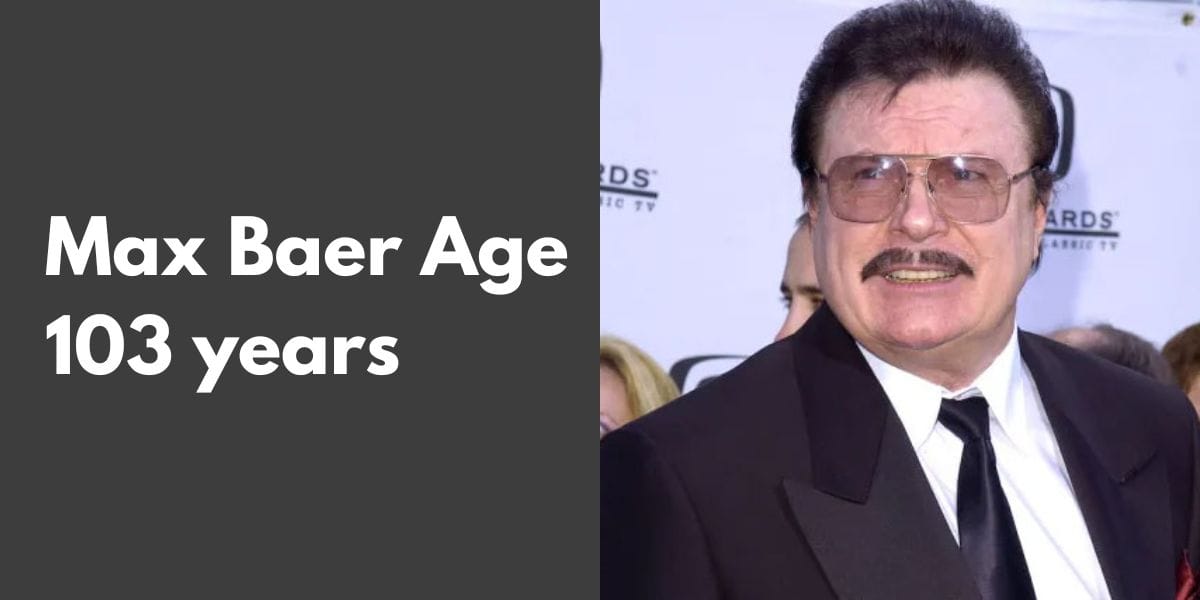
Max Baer, a name that resonates in the world of boxing, entertainment, and philanthropy, would have turned 103 in 2025. Though he passed away in 1959, his legacy endures as an iconic heavyweight champion whose charisma and power in the ring captivated audiences. Beyond boxing, Baer’s humanitarian work and foray into acting solidified his reputation as more than just a fighter. As we reflect on his life, we honor the man, the athlete, and the inspiration he continues to be.
Early Life and Humble Beginnings
Born Maximilian Adelbert Baer on February 11, 1909, in Omaha, Nebraska, Baer was raised in a working-class family. The Baers moved to Livermore, California, where young Max developed a love for physical activity. Initially helping his father in the butcher shop, he was introduced to boxing as a means of staying fit and channeling his energy. His towering 6’2″ frame and natural strength made him an instant standout.
Baer’s journey to boxing fame was unconventional. Unlike many of his contemporaries who started as amateur fighters, he entered the ring as a professional with little formal training. However, his raw power, resilience, and showmanship quickly earned him recognition. His early matches showcased his ability to land devastating punches, leading to a growing reputation as a knockout artist.
Tragedy and Triumph: The Frankie Campbell Fight
Baer’s career took a dramatic turn on August 25, 1930, during a fight against Frankie Campbell. The bout, held in San Francisco, ended in tragedy when Baer’s powerful blows resulted in Campbell’s fatal injuries. Devastated, Baer considered quitting boxing entirely. He faced a temporary suspension and legal scrutiny, but ultimately, he continued fighting, dedicating himself to the sport with renewed purpose.
This tragic event deeply impacted Baer, leading him to become more compassionate outside the ring. He often supported the families of fallen fighters and participated in numerous charity events, shaping his reputation as a kind-hearted champion.
The Road to Heavyweight Championship
Despite the emotional burden, Baer’s boxing career continued to ascend. He defeated notable fighters such as Ernie Schaaf, Max Schmeling, and King Levinsky. His most famous victory came on June 14, 1934, when he faced Primo Carnera for the World Heavyweight Championship.
Carnera, an Italian giant standing at 6’6″ and weighing over 260 pounds, was a formidable opponent. However, Baer, with his explosive power and relentless attack, dominated the fight. He knocked Carnera down 11 times before securing a technical knockout in the 11th round, becoming the heavyweight champion of the world. This victory cemented his place in boxing history.
The Cinderella Man and Loss of the Title
Baer’s reign as champion was short-lived. On June 13, 1935, he faced James J. Braddock, an underdog fighter who had struggled through poverty and injuries. Dubbed “The Cinderella Man,” Braddock shocked the world by defeating Baer in a 15-round decision.
Baer’s training for the fight was lackluster. He was overconfident, reportedly spending more time entertaining crowds than preparing for the bout. Despite his power, he failed to land the decisive punches needed to overcome Braddock’s resilience. The loss was a turning point, marking the decline of Baer’s peak boxing years.
The Battle Against Joe Louis
Following his loss to Braddock, Baer continued boxing but faced a rising star: Joe Louis. On September 24, 1935, Baer and Louis squared off in one of the most highly anticipated fights of the era. Louis, a young and highly skilled boxer, dominated Baer, knocking him out in the fourth round.
Though Baer never reclaimed the heavyweight title, he remained a beloved figure in the sport. His boxing career officially ended in 1941 with a record of 68 wins (51 by knockout), 13 losses, and 1 no contest.
Beyond Boxing: Hollywood and Humanitarian Work
Baer’s larger-than-life personality made him a natural fit for Hollywood. He appeared in several films, including The Prizefighter and the Lady (1933), Africa Screams (1949), and The Harder They Fall (1956). His performances showcased his charm, humor, and on-screen presence, allowing him to transition from athlete to entertainer.
Outside of the ring and film sets, Baer was known for his generosity. He often visited hospitals, raised money for children’s charities, and supported war efforts during World War II. His kindness extended to opponents and fans alike, reinforcing his reputation as one of boxing’s most compassionate champions.
The Legacy of a Champion
Max Baer’s legacy endures in various ways:
- International Boxing Hall of Fame: Inducted in 1995, Baer is remembered for his contributions to the sport.
- Max Baer Park in Livermore, California: A tribute to his roots and impact on the community.
- Pop Culture Influence: His character was featured in the 2005 film Cinderella Man, which dramatized his fight with James Braddock.
- Inspiration for Future Boxers: Baer’s story continues to inspire young fighters who admire his power, charisma, and resilience.
Conclusion
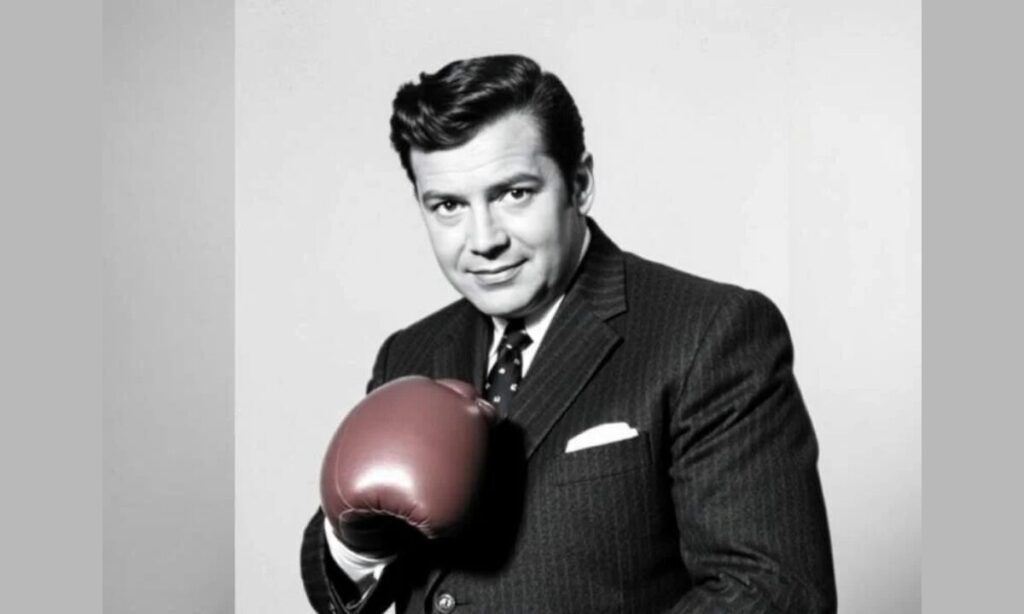
Max Baer’s life was a testament to strength, resilience, and humanity. While his boxing career had highs and lows, his impact extended beyond the ring. As we reflect on his 103rd birthday, we celebrate a champion who was not only a fierce competitor but also a man of great heart. His story remains a symbol of perseverance, reminding us that true greatness is measured not just by victories, but by the lives one touches along the way.
Frequently Asked Questions
Q: When and where was Max Baer born?
A: Max Baer was born on February 11, 1909, in Omaha, Nebraska, USA.
Q: What is Max Baer best known for in his boxing career?
A: Max Baer is best known for winning the World Heavyweight Championship in 1934 after defeating Primo Carnera. He was celebrated for his exceptional punching power and entertaining style in the ring.
Q: Did Max Baer have a career in entertainment outside of boxing?
A: Yes, Max Baer appeared in films and on television, leveraging his charisma and fame. His son, Max Baer Jr., also pursued a career in entertainment, notably playing Jethro Bodine in the television series “The Beverly Hillbillies.”
Q: How did Max Baer contribute to the community and inspire others?
A: Beyond boxing, Max Baer was known for his philanthropic efforts and engaging personality. His resilience and success story continue to inspire many in the sports community and beyond.
Q: When did Max Baer pass away, and what was his legacy?
A: Max Baer passed away on November 21, 1959, at the age of 50. His legacy endures as a symbol of strength, charisma, and the indomitable spirit of a champion.
Max Baer’s life and career remain a testament to his impact on boxing and his enduring inspiration to future generations.
