
Retro gaming, once seen as a nostalgic pastime for die-hard enthusiasts, has transformed into a cultural movement that spans generations and continents. From clunky arcade machines and 8-bit consoles to sleek mini retro consoles and emulators on modern PCs, the journey of retro gaming is one of remarkable evolution. This article explores how retro gaming has developed over the decades, why it still captures the hearts of millions, and how it continues to influence the gaming industry today.
The Golden Era of Video Games: 1970s to 1980s
The origins of retro gaming can be traced back to the 1970s and 1980s, an era now affectionately dubbed the “Golden Age of Video Games.” This period marked the birth of iconic titles and hardware that laid the foundation for the entire gaming industry.
Arcade cabinets like Pong (1972) by Atari introduced the public to simple yet addictive gameplay. Shortly after, Space Invaders (1978) by Taito caused a global sensation, leading to arcades booming in popularity. Pac-Man (1980), with its vibrant characters and maze gameplay, became a pop-culture icon, selling merchandise and inspiring cartoons. The late 70s and early 80s also saw the rise of home consoles, starting with the Atari 2600, which brought arcade-like experiences into living rooms. These consoles were limited in graphics and sound, but they captured players’ imaginations with gameplay-focused experiences. Titles like Adventure (1980) introduced early forms of open-world exploration, and Pitfall! (1982) pushed graphical boundaries.
8-bit and 16-bit Consoles: The Renaissance of Home Gaming
The 8-bit era, dominated by the Nintendo Entertainment System (NES) and Sega Master System, began in the mid-1980s and revolutionized gaming. Nintendo, in particular, saved the industry from the video game crash of 1983 by focusing on quality control, storytelling, and character-driven games. Mario, Zelda, and Metroid became household names, thanks to Nintendo’s emphasis on polished gameplay and creative design. Meanwhile, Sega introduced players to Alex Kidd and Sonic the Hedgehog, characters that brought speed and attitude to platforming.
As technology advanced, the 16-bit era emerged in the early 1990s with the Super Nintendo Entertainment System (SNES) and the Sega Genesis (Mega Drive). These systems offered better graphics, richer audio, and more sophisticated gameplay mechanics. Games like The Legend of Zelda: A Link to the Past, Chrono Trigger, and Street Fighter II pushed boundaries and proved that video games could be immersive, story-driven experiences.
Retro Aesthetics and Game Design Philosophy
Retro games weren’t just about limitations; they were about creativity within constraints. Developers had limited memory, color palettes, and CPU power, forcing them to focus on intuitive controls and tightly designed levels. The result was gameplay that was challenging but fair, rewarding persistence and skill. Pixel art, once a necessity, has since become a beloved aesthetic. The chiptune music of the time, created with simple sound chips, is now revered and often recreated by indie artists and modern game composers.
The philosophy of “easy to pick up, hard to master” became a hallmark of retro games. Titles like Mega Man, Castlevania, and Contra tested reflexes, timing, and pattern recognition, while rewarding memorization and perseverance. These principles continue to inspire game design today.
The Rise of Emulation and Digital Preservation
As hardware aged and physical cartridges became scarce, the emulation movement began in earnest in the late 1990s and early 2000s. Programmers and preservationists developed software that mimicked the behavior of classic consoles, allowing gamers to play titles like Final Fantasy VI or Super Mario Bros. 3 on PCs. Although the legality of emulation remains a topic of debate, especially when tied to piracy, it has been instrumental in preserving gaming history. Entire libraries of games, some of which were never officially released outside their country of origin, became accessible to a global audience.
ROM hacks and fan translations allowed new interpretations of old classics. Projects like Mother 3’s fan translation brought previously inaccessible titles to eager fans. Communities formed around preserving manuals, box art, and development notes, turning retro gaming into a form of digital archaeology.
Retro Gaming in the 21st Century: The Revival
While gaming technology marched forward with realistic graphics, virtual reality, and cloud gaming, retro gaming never died—it evolved. In the 2010s, a noticeable shift occurred: retro gaming became mainstream again. Nintendo led the charge with products like the NES Classic Edition and SNES Classic Edition, compact versions of their original consoles with preloaded games and HDMI compatibility. These plug-and-play systems sold out instantly upon release, demonstrating the enduring demand for retro titles.
Simultaneously, platforms like Steam, GOG, and Nintendo Switch Online began offering classic games in digital formats. The Virtual Console on the Wii and Wii U gave newer generations access to beloved classics, while longtime fans could relive their childhood memories with ease. Meanwhile, the indie game revolution embraced retro aesthetics and mechanics. Games like Shovel Knight, Undertale, and Celeste borrowed the 8-bit and 16-bit visual styles and combined them with modern gameplay sensibilities. These games didn’t just mimic the past—they evolved it.
Collecting and the Rise of Retro Gaming Culture
With resurgence came a booming collector’s market. Original cartridges, mint-condition consoles, and factory-sealed games started fetching thousands of dollars. Titles like EarthBound, Little Samson, and Stadium Events became holy grails for collectors. YouTube channels, podcasts, and Twitch streams dedicated to retro gaming exploded in popularity. Content creators like Angry Video Game Nerd, Game Sack, and MetalJesusRocks built careers around showcasing, reviewing, and preserving retro gaming culture. Documentaries like “High Score” and “Insert Coin” brought the history of classic gaming to streaming platforms.
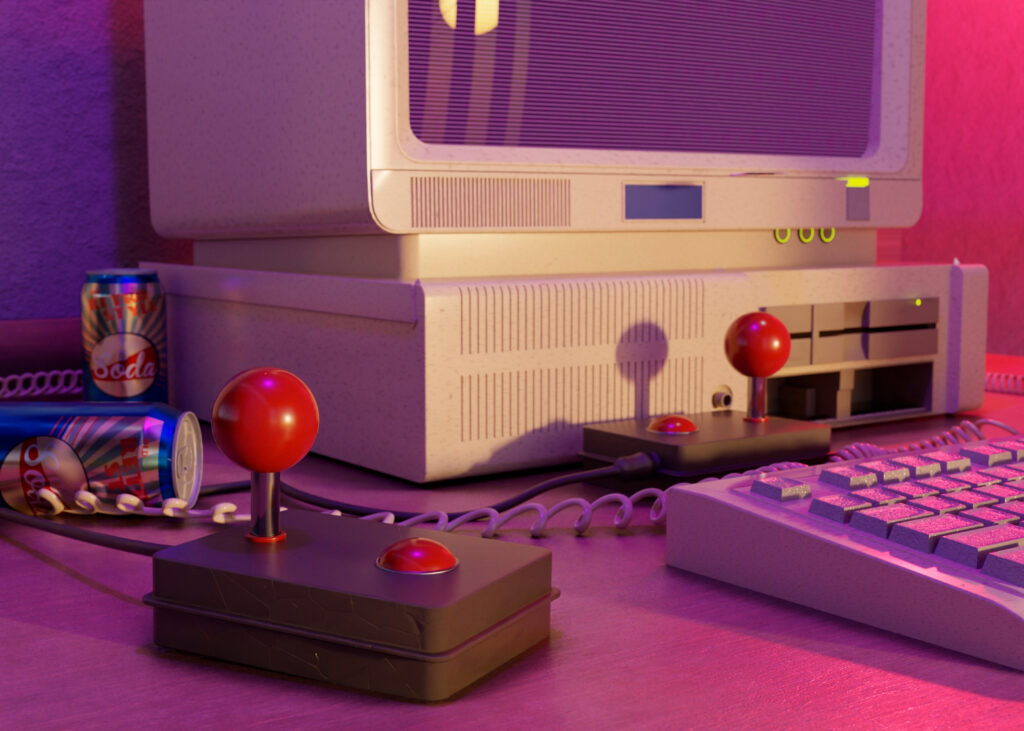
This cultural movement wasn’t just about the games, it was about the feeling they evoked. The aesthetic of old CRT televisions, the click of a cartridge, and the communal experience of couch co-op are all part of what makes retro gaming more than just playing old titles. It’s a lifestyle, a form of artistic appreciation, and a connection to a shared past.
Modern Hardware and Retro Experiences
Today, retro gaming doesn’t just live on old systems or emulators. Hardware developers have created modern consoles that play retro cartridges in high-definition. Devices like the Analogue Super Nt and Mega Sg offer FPGA-based accuracy with HDMI output, combining nostalgia with modern convenience.
Handheld retro devices such as the Anbernic RG351, Retroid Pocket, and Miyoo Mini provide access to thousands of games on the go, often using open-source emulators. These gadgets have built cult followings for their affordability and portability. Arcade enthusiasts can now build or purchase full-size home arcade cabinets preloaded with classic titles, or use Raspberry Pi-based systems to emulate thousands of games. Retro gaming has become accessible, customizable, and collectible.
The Psychology of Nostalgia in Gaming
A significant part of retro gaming’s appeal lies in the psychology of nostalgia. According to studies, nostalgia can trigger positive emotions, increase self-esteem, and create a sense of belonging. For many, retro games are tied to formative memories—playing Duck Hunt with siblings, or staying up late to beat Super Metroid.
In a fast-changing world, retro games offer stability. Their rules are simple, their aesthetics familiar. They allow players to momentarily return to a time when things felt more innocent or straightforward. That emotional connection is powerful—and it keeps players coming back. But retro gaming isn’t just for those who lived through the 80s or 90s. Younger gamers are discovering the unique charm and challenge of classic titles. In a landscape saturated with microtransactions and bloated AAA games, the simplicity and craftsmanship of retro games can feel like a breath of fresh air.
Challenges and Controversies in Retro Gaming
Despite its popularity, retro gaming faces challenges. The issue of game preservation is pressing. Cartridges degrade, battery-backed saves fail, and many titles risk disappearing entirely. Companies like Nintendo have been criticized for their selective re-releases, while fan projects are often hit with takedown notices.
There’s also the issue of authenticity. Some collectors criticize emulation or digital copies as lacking the “real” retro experience. Purists argue that only playing on original hardware with CRTs provides the true feel of retro gaming, while others advocate for accessibility and preservation over purity. Then there’s the financial barrier. Original consoles and rare games are often prohibitively expensive, leading many to turn to emulation or reproductions. The community is split between preserving history and enjoying history, and there’s no one-size-fits-all answer.
Retro Gaming’s Legacy and Future
Retro gaming has transcended its original form. It’s no longer just about old games—it’s about honoring the past, influencing the present, and shaping the future of interactive entertainment. Modern game design continues to be inspired by retro titles. Elements like pixel art, permadeath, side-scrolling mechanics, and synthesizer music are common in contemporary indie games. Game jams often celebrate retro themes, and developers frequently cite retro influences in interviews.
Retro gaming also teaches valuable lessons: that limitations breed creativity, that gameplay matters more than graphics, and that innovation often comes from constraint. These principles remain timeless. As long as there are gamers who value challenge, artistry, and nostalgia, retro gaming will never fade. Whether through cartridges, emulators, or remakes, the spirit of the past continues to inspire future generations.
Conclusion
The evolution of retro gaming is not a mere reflection on the past; it’s an ongoing journey that bridges generations. It embodies the innovation, passion, and creativity that defined an era and laid the groundwork for today’s gaming industry. From CRT screens to 4K monitors, from cartridges to digital downloads, retro gaming lives on, reimagined, revitalized, and more relevant than ever.
FAQs
What is considered retro gaming?
Retro gaming typically refers to playing and collecting video games and consoles from previous generations—commonly those released in the 1970s through early 2000s. This includes systems like the NES, SNES, Sega Genesis, PlayStation 1, and early arcade machines.
Why is retro gaming still popular today?
Retro gaming appeals due to its nostalgic value, simple yet challenging gameplay, and distinctive art styles like pixel graphics and chiptune music. Additionally, many players find older games more focused on pure gameplay without modern distractions like microtransactions.
Is emulation legal?
Emulation software itself is legal, but downloading or distributing ROMs of games without the copyright holder’s permission is often illegal. However, some companies offer legal emulated collections or re-releases of classic games through platforms like Nintendo Switch Online or Steam.
What is the best way to play retro games today?
Options include original hardware (consoles and cartridges), mini plug-and-play retro consoles (like the NES Classic), modern FPGA-based systems (like the Analogue consoles), or emulators on PCs and handheld devices like the Retroid Pocket or Anbernic.
Are modern games influenced by retro games?
Yes, many indie developers draw inspiration from retro aesthetics and mechanics. Games like Shovel Knight, Celeste, and Undertale mimic 8-bit and 16-bit styles while introducing modern gameplay elements. Retro game design principles still shape many titles today.
