
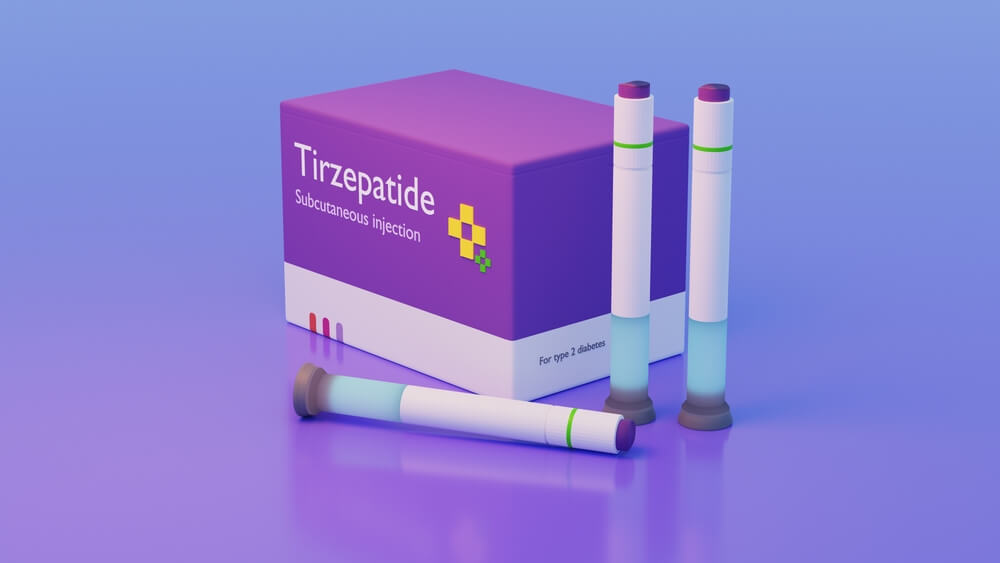
Tirzepatide is a revolutionary medication that has taken the healthcare industry by storm for its dual ability to manage blood sugar levels in type 2 diabetes and support significant weight loss. Marketed under the brand name Mounjaro by Eli Lilly, Tirzepatide has shown impressive results in clinical trials and real-world applications, leading to widespread interest among doctors, patients, and researchers alike. In this detailed article, we’ll explore everything you need to know about Tirzepatide, from its mechanism of action and benefits to dosage, side effects, comparisons with similar drugs like Ozempic and Wegovy, and frequently asked questions.
What is Tirzepatide?
Tirzepatide is an injectable prescription medication used primarily for the treatment of type 2 diabetes and recently approved for chronic weight management. It belongs to a new class of drugs called dual GIP and GLP-1 receptor agonists, which means it mimics two hormones that help regulate blood sugar and appetite. It was approved by the U.S. Food and Drug Administration (FDA) in May 2022 for managing type 2 diabetes and later in November 2023 under the brand name Zepbound for chronic weight management in obese or overweight individuals.
How Tirzepatide Works
Tirzepatide works by mimicking the activity of two natural incretin hormones:
-
GIP (Glucose-dependent Insulinotropic Polypeptide)
-
GLP-1 (Glucagon-Like Peptide-1)
These hormones help lower blood sugar levels and reduce appetite by:
-
Stimulating insulin release when blood sugar is high.
-
Slowing gastric emptying (how quickly food leaves the stomach).
-
Reducing glucagon secretion (a hormone that raises blood sugar).
-
Acting on the brain to promote a feeling of fullness.
This dual action results in better glycemic control and substantial weight loss.
Benefits of Tirzepatide
Blood Sugar Control
In patients with type 2 diabetes, Tirzepatide has shown a significant reduction in HbA1c levels — often lowering them to below 6.5%, which is considered near-normal.
Weight Loss
Clinical studies show that patients using Tirzepatide can lose between 15% and 22% of their body weight, depending on the dose. That’s comparable or superior to bariatric surgery in some cases.
Cardiovascular Benefits
Although more long-term studies are needed, early evidence suggests Tirzepatide may help reduce the risk of heart disease by improving cholesterol levels and reducing body fat.
Lower Blood Pressure
Weight loss and appetite suppression can also lead to improved blood pressure levels in obese or overweight individuals.
Tirzepatide for Weight Loss
Tirzepatide’s use as a weight loss medication has been gaining significant attention. Under the brand name Zepbound, it’s prescribed for:
-
Adults with a BMI ≥ 30 (obese), or
-
Adults with a BMI ≥ 27 (overweight) and at least one weight-related condition (e.g., hypertension, type 2 diabetes, high cholesterol)
Key Weight Loss Results from Clinical Trials:
-
Average weight loss of 20.9% with 15 mg dose over 72 weeks
-
Patients lost up to 52 pounds on average
-
Results outperformed other GLP-1 agonists like Wegovy (semaglutide)
Tirzepatide vs. Ozempic and Wegovy
Feature |
Tirzepatide (Mounjaro/Zepbound) |
Ozempic |
Wegovy |
|---|---|---|---|
Active Ingredient |
Tirzepatide |
Semaglutide |
Semaglutide |
Hormone Targets |
GIP + GLP-1 |
GLP-1 only |
GLP-1 only |
FDA Approval |
Type 2 Diabetes & Weight Loss |
Type 2 Diabetes |
Weight Loss |
Weight Loss |
Up to 22% |
10–15% |
Up to 15% |
Dosing |
Weekly |
Weekly |
Weekly |
Manufacturer |
Eli Lilly |
Novo Nordisk |
Novo Nordisk |
Tirzepatide’s dual hormone targeting gives it a unique edge over semaglutide-based treatments like Ozempic and Wegovy.
Dosage and Administration
Tirzepatide is administered via subcutaneous injection once a week. It comes in pre-filled pens with various doses:
-
2.5 mg (starting dose)
-
5 mg
-
7.5 mg
-
10 mg
-
12.5 mg
-
15 mg (maximum)
Doctors typically start patients at 2.5 mg per week and increase gradually to reduce gastrointestinal side effects.
Side Effects of Tirzepatide
Like all medications, Tirzepatide may cause side effects. Most are mild to moderate, but it’s essential to be aware of them.
Common Side Effects:
-
Nausea
-
Vomiting
-
Diarrhea
-
Constipation
-
Decreased appetite
-
Abdominal pain
Serious Side Effects:
-
Pancreatitis
-
Gallbladder problems
-
Low blood sugar (especially when combined with insulin or sulfonylureas)
-
Kidney problems
-
Allergic reactions
Long-Term Risks:
There is a potential risk of thyroid C-cell tumors observed in animal studies, so Tirzepatide is not recommended for people with a personal or family history of medullary thyroid carcinoma (MTC) or multiple endocrine neoplasia syndrome type 2 (MEN 2).
Who Should Avoid Tirzepatide?
Tirzepatide is not suitable for:
-
People with type 1 diabetes
-
Individuals with a history of pancreatitis
-
Pregnant or breastfeeding women
-
People with a history of thyroid cancer
-
Children under 18 years
Always consult a healthcare provider before starting Tirzepatide, especially if you’re on other medications or have chronic health conditions.
Cost and Insurance Coverage
Tirzepatide is relatively expensive without insurance, often ranging between $1,000 to $1,400 per month. However, the manufacturer Eli Lilly offers copay assistance programs, and many insurance companies are starting to cover it, especially for type 2 diabetes. If prescribed for weight loss under Zepbound, coverage may vary depending on your insurance plan.

Real-World Testimonials
Thousands of users have shared their stories online, especially on social platforms and forums like Reddit or dedicated weight-loss communities. Many report:
-
“Lost 35 pounds in 6 months”
-
“My blood sugar is finally under control without insulin!”
-
“Minimal cravings and more energy”
Of course, individual results vary, and Tirzepatide should be paired with diet and exercise for maximum benefit.
Clinical Studies and FDA Approval
Tirzepatide’s effectiveness was confirmed in a series of clinical trials called the SURPASS and SURMOUNT studies:
-
SURPASS trials evaluated its performance in managing blood sugar for people with type 2 diabetes.
-
SURMOUNT trials focused on its ability to support weight loss in non-diabetic patients.
In both settings, it significantly outperformed placebo and even other GLP-1 agonists.
How to Get Started on Tirzepatide
-
Speak to Your Doctor: Discuss your goals and whether Tirzepatide is suitable for you.
-
Review Your Medical History: Inform your provider of any past illnesses or current medications.
-
Get a Prescription: You’ll receive a prescription and training on how to self-inject.
-
Monitor Your Progress: Track weight loss, blood sugar, and side effects regularly.
-
Adjust Dosage as Needed: Your doctor may gradually increase your dose based on your response.
Final Thoughts
Tirzepatide represents a major leap forward in treating type 2 diabetes and obesity. With its dual hormone action and impressive clinical results, it offers hope to millions struggling with weight and blood sugar issues. Whether you’re considering it for medical weight loss or better diabetic control, always consult with a healthcare professional to ensure it’s the right fit for your health profile.
FAQs About Tirzepatide
Q1: Is Tirzepatide approved for weight loss?
Yes, it’s FDA-approved under the name Zepbound for chronic weight management.
Q2: How long does it take to see results?
Most users see noticeable weight loss and blood sugar improvement within the first 8–12 weeks.
Q3: Do I need to follow a diet?
Yes. A balanced diet and exercise significantly enhance Tirzepatide’s effects.
Q4: Can I stop taking Tirzepatide once I lose weight?
Weight maintenance after stopping the drug can be difficult. Many people regain weight unless they continue healthy lifestyle habits or maintenance therapy.
Q5: Is it safe long-term?
Early studies suggest safety, but long-term human data is still being collected. Regular monitoring is essential.
