
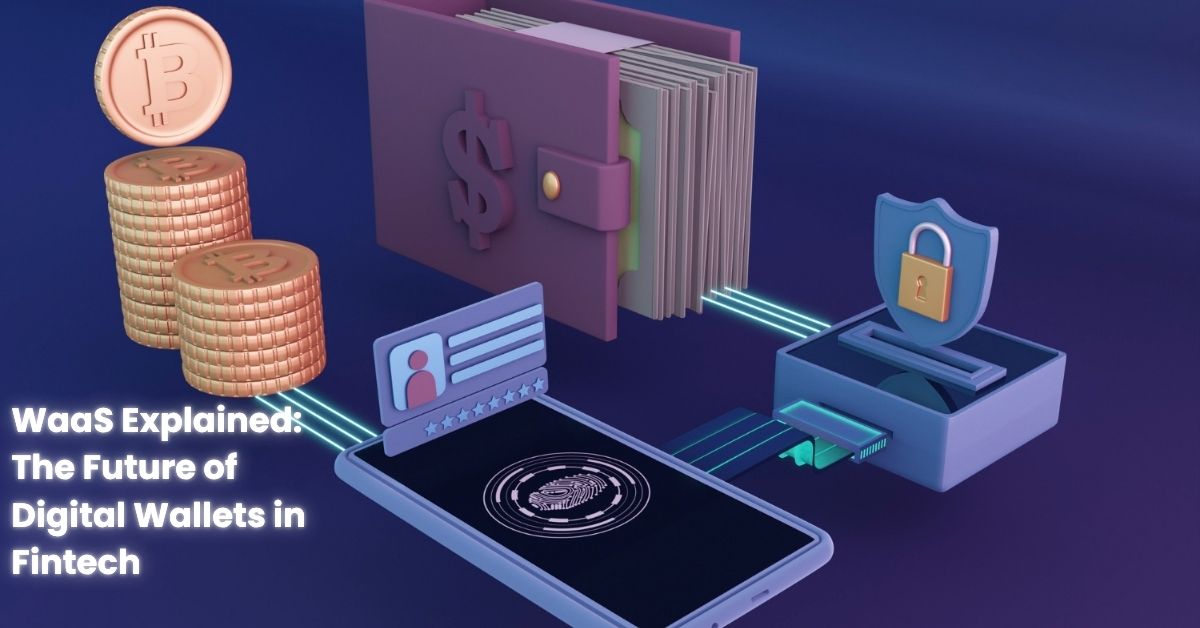
In the dynamic world of financial technology, innovation continues to disrupt traditional banking and payment systems. One of the latest and most transformative developments is the emergence of Wallet-as-a-Service (WaaS). This model has gained momentum in recent years and is now establishing itself as a new and highly efficient software-as-a-service (SaaS) solution for businesses seeking to integrate digital wallets into their products. WaaS enables companies to deliver secure, scalable, and customizable wallet functionality without developing the infrastructure from scratch. This article explores the WaaS model, its architecture, use cases, benefits, security concerns, market landscape, and future potential in the fintech sector.
Understanding Wallet-as-a-Service (WaaS)
Wallet-as-a-Service refers to a SaaS-based solution that allows businesses to embed digital wallet functionalities into their platforms through APIs and SDKs. These wallets can support a wide range of financial activities such as storing fiat currency or digital assets, peer-to-peer transactions, bill payments, loyalty programs, and integration with banking services. WaaS platforms eliminate the need for companies to develop their own wallet infrastructure, allowing them to focus on their core business offerings.
In essence, WaaS is to digital wallets what Stripe is to payments or Plaid is to banking connectivity. It provides plug-and-play solutions that dramatically reduce the time and resources required to launch a fully functional digital wallet. For startups and even large enterprises, WaaS brings a strategic advantage by allowing rapid market entry with minimal development overhead.
The Architecture of WaaS Platforms
The architecture of Wallet-as-a-Service platforms typically consists of several modular layers that can be customized based on business needs. These include:
-
Core Wallet Engine: This is the backbone of the service, handling essential wallet functions like balance management, transaction history, currency support, and ledger maintenance.
-
APIs and SDKs: The APIs allow easy integration of wallet services into mobile apps, web portals, or backend systems. SDKs offer libraries and tools to speed up development and provide a seamless user experience.
-
Identity and Compliance Layer: WaaS providers offer built-in KYC (Know Your Customer) and AML (Anti-Money Laundering) tools, often integrated with third-party verification providers. This layer ensures compliance with financial regulations.
-
Payment Gateways and Banking Integrations: These enable wallet-to-bank transfers, payment processing, ACH transactions, and card issuance functionalities.
-
Security and Encryption: Security is at the core of WaaS offerings, often including end-to-end encryption, tokenization, secure key management, and fraud detection systems.
-
Admin and Analytics Dashboard: Businesses get access to dashboards that provide insights into transaction volume, user behavior, wallet balances, and other KPIs.
Key Use Cases of WaaS in Fintech and Beyond
WaaS is being adopted across diverse industries, not just in fintech. The flexibility of its model means it can power various use cases:
-
Neobanks and Challenger Banks: Many digital-first banks use WaaS platforms to launch their wallet features. They benefit from faster time-to-market and reduced costs while still delivering modern, secure financial products.
-
E-commerce Platforms: Online marketplaces can use WaaS to enable digital wallets for storing funds, offering refunds, processing payments, or enabling store credits and loyalty rewards.
-
Gaming and Digital Entertainment: Game developers and digital content platforms use WaaS to manage in-game currencies, reward systems, and user-to-user transfers.
-
Gig Economy and Freelancers: Gig platforms like ride-hailing apps or freelancing marketplaces use WaaS to issue wallets to workers, allowing them to receive instant payments or manage finances easily.
-
Cryptocurrency Exchanges and Platforms: Crypto businesses often use WaaS providers that support digital asset wallets, enabling crypto storage, trading, and transactions.
-
Travel and Hospitality: Travel platforms can use WaaS to issue wallets for managing bookings, loyalty points, and cross-border payments in a seamless manner.
Benefits of Wallet-as-a-Service
WaaS presents several advantages over building a custom wallet solution in-house. These include:
-
Speed to Market: WaaS significantly reduces development time. Businesses can integrate wallet functionalities in a matter of weeks instead of months or years.
-
Cost Efficiency: Developing and maintaining wallet infrastructure requires substantial investment. WaaS provides a pay-as-you-go model, lowering upfront costs and reducing financial risk.
-
Scalability: As a cloud-based solution, WaaS allows businesses to scale up or down based on user demand without worrying about infrastructure limitations.
-
Compliance and Security: Regulatory compliance is complex and constantly changing. WaaS providers keep up with the latest standards and ensure businesses stay compliant with local and international laws.
-
Customization: Companies can tailor the wallet experience to fit their brand and user needs by choosing from various modules, designs, and APIs.
-
Focus on Core Business: With the wallet infrastructure outsourced, businesses can focus more on innovation, customer acquisition, and service enhancement.

Challenges and Considerations
Despite its advantages, WaaS is not without challenges. Businesses considering this model should evaluate the following factors:
-
Vendor Reliability: The success of a WaaS integration heavily depends on the reliability and uptime of the vendor. Downtime or bugs on their end can affect user experience and brand trust.
-
Data Ownership and Privacy: Since the wallet infrastructure is managed externally, businesses need to ensure that user data is handled responsibly and in compliance with privacy regulations.
-
Integration Complexity: While WaaS solutions offer APIs and SDKs, integrating them into legacy systems or customizing them for unique business logic can still pose difficulties.
-
Long-Term Cost: While WaaS is cost-effective in the short term, businesses with very high transaction volumes may eventually find it more economical to develop their own solution.
-
Security Risk: Even with top-tier security features, outsourcing critical financial infrastructure increases risk exposure. Businesses must perform thorough due diligence on the security posture of WaaS providers.
Top Wallet-as-a-Service Providers
The growing demand for WaaS has led to the emergence of several prominent providers offering a wide range of capabilities. Some of the key players in this space include:
-
Marqeta: Known for its card issuing and payment solutions, Marqeta also supports digital wallet functionality through APIs and white-labeled products.
-
Lithic: Formerly Privacy.com, Lithic provides APIs for card issuance and wallet features tailored for fintechs and digital platforms.
-
Stripe Treasury: A product from Stripe that offers wallet-like capabilities including money storage, payments, and bank account integration through its API-first model.
-
Mambu: A cloud-native banking platform that allows institutions to offer digital wallets, loans, and deposits through modular services.
-
Solaris: A European banking-as-a-service provider that offers embedded finance, including wallet features and payment processing.
-
Treezor: Based in France, Treezor offers API-based wallet services, payment processing, and KYC tools to fintech startups and enterprises.
Future of Wallet-as-a-Service
The future of WaaS looks bright as embedded finance continues to grow. Analysts predict that the global digital wallet market will surpass trillions in transaction volume in the next few years. WaaS is poised to power much of this growth by making wallet features accessible to non-financial companies.
Several trends will define the evolution of WaaS:
-
AI and Machine Learning Integration: WaaS providers will increasingly integrate AI to detect fraud, offer predictive financial insights, and personalize user experiences.
-
Multi-asset Support: Digital wallets will move beyond fiat currencies to include crypto, loyalty points, carbon credits, and other digital tokens.
-
Cross-border Capabilities: As globalization accelerates, WaaS will focus on enabling real-time cross-border payments and currency conversion.
-
Decentralized Wallets: With blockchain technology maturing, WaaS providers may begin offering decentralized or non-custodial wallet options for privacy-conscious users.
-
Regulatory Advancements: Governments are rolling out clearer regulations for digital wallets and embedded finance. WaaS providers will play a critical role in helping businesses comply with evolving legal frameworks.
-
Banking Integration: WaaS platforms will increasingly integrate deeper with traditional banking systems, allowing users to move funds seamlessly between wallets and bank accounts.
Conclusion
Wallet-as-a-Service is rapidly redefining how businesses approach digital payments and financial product delivery. It offers a scalable, cost-effective, and compliant path for embedding wallet functionalities into apps and platforms without building infrastructure from scratch. As fintech continues to evolve, WaaS will be a key enabler of innovation, empowering companies across industries to offer frictionless financial experiences. Whether it’s a startup aiming to disrupt traditional banking or an enterprise enhancing its customer engagement through digital wallets, WaaS provides the tools to execute financial strategies with speed, precision, and security. Businesses that understand and adopt WaaS today are better positioned to thrive in tomorrow’s digital-first financial ecosystem.
FAQs
What is Wallet-as-a-Service (WaaS)?
Wallet-as-a-Service is a SaaS model that provides companies with digital wallet functionalities through APIs and SDKs without the need to build their own infrastructure.
Who uses WaaS solutions?
WaaS is used by fintechs, neobanks, e-commerce platforms, gig economy apps, cryptocurrency companies, and any business looking to integrate financial services into their products.
How is WaaS different from Banking-as-a-Service (BaaS)?
WaaS focuses specifically on digital wallet functionalities like storing value, processing transactions, and issuing prepaid cards, while BaaS offers a broader suite of financial services including loans, savings accounts, and full banking systems.
Is WaaS secure?
Yes, reputable WaaS providers use strong encryption, tokenization, and fraud detection tools to ensure high levels of security and regulatory compliance.
What are the risks of using WaaS?
Risks include reliance on third-party vendors, data privacy concerns, integration complexity, and long-term cost considerations for high-volume operations.
