
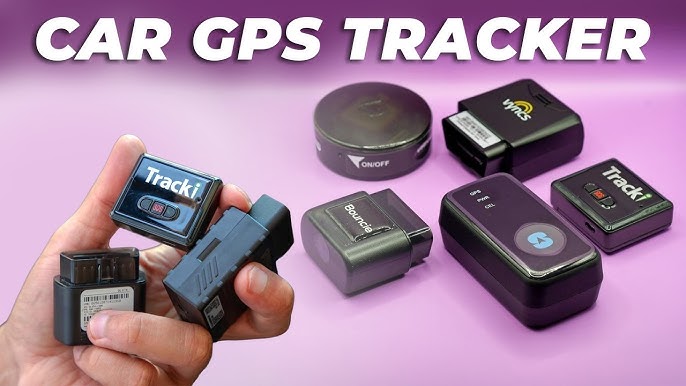
Whether you’re managing a fleet of delivery vehicles, keeping tabs on a teenage driver, or just want peace of mind that your car can be located if it’s ever stolen, a GPS tracking device has become one of the more practical investments a vehicle owner can make. What used to be bulky, expensive equipment reserved for commercial fleets has turned into small, affordable devices that plug in, stick on, or wire in within minutes and report real-time location straight to your phone.
The market has grown crowded, though, and not every tracker is built for the same use case. Some are designed for real-time fleet management with detailed driver behavior analytics, while others are simple, low-cost trackers meant purely for theft recovery. Picking the wrong one often means paying for features you’ll never use, or missing a feature you actually needed.
In this guide, we’ve rounded up the top GPS tracking devices for cars in 2026, covering what makes each one stand out and who it’s best suited for.
What to Look for in a GPS Tracker in 2026
Before jumping into the list, here’s what actually matters when comparing devices:
- Update frequency how often the device reports location (real-time vs. periodic pings)
- Installation type plug-in OBD-II, hardwired, or battery-powered magnetic trackers
- Battery life critical for battery-powered trackers not connected to the vehicle’s power
- Geofencing and alerts notifications when a vehicle enters or leaves a designated area
- Subscription cost most trackers require an ongoing data plan, which varies significantly by provider
- Driver behavior monitoring speed, harsh braking, and idling reports for fleet or parental use cases
With those priorities in mind, here are the top devices worth considering this year.
1. Bouncie
Bouncie has become a go-to choice for personal vehicle tracking thanks to its simple plug-and-play setup and strong mobile app experience, without requiring a long-term contract.
Key features:
- Plugs directly into the OBD-II port no wiring required
- Real-time location updates every few seconds while driving
- Driver behavior alerts for speeding, hard braking, and rapid acceleration
- No long-term contract required on most plans
Best for: Individuals and families who want a simple, no-hassle tracker for personal vehicles or monitoring teen drivers.
2. Vyncs
Vyncs offers a strong balance between personal and small fleet use, with a wider range of diagnostic and maintenance features layered on top of standard location tracking.
Key features:
- OBD-II plug-in installation with real-time tracking
- Vehicle health diagnostics, including engine fault codes
- Trip history and mileage logs for tax or reimbursement purposes
- Roadside assistance add-on available
Best for: Vehicle owners who want tracking combined with useful vehicle health and maintenance data.
3. LandAirSea 54
The LandAirSea 54 is a compact, battery-powered magnetic tracker built for discreet placement, making it popular for situations where a hardwired or OBD-II device isn’t practical.
Key features:
- Small, weatherproof magnetic casing for easy discreet placement
- Long battery life on standby, with rechargeable battery pack
- Real-time tracking with historical playback
- No installation required just attach and go
Best for: Users who need a portable, battery-powered tracker that isn’t tied to a specific vehicle’s power system.
4. Spytec GL300
Spytec’s GL300 is another popular battery-powered option, frequently used for both vehicle tracking and broader personal or asset tracking use cases.
Key features:
- Compact, portable design with magnetic mounting case sold separately
- Real-time updates as frequently as every 10 seconds
- Geofencing alerts sent directly to a mobile app
- Multi-day battery life depending on update frequency settings
Best for: Users who want a versatile tracker that can move between vehicles or be used for other tracking needs beyond just cars.
5. Verizon Hum
Hum, backed by Verizon’s network infrastructure, blends vehicle tracking with roadside assistance and diagnostic features, appealing to drivers who want an all-in-one connected car experience.
Key features:
- Real-time GPS tracking with speed and location alerts
- Automatic crash notification with emergency response dispatch
- Vehicle diagnostics and maintenance reminders
- Built on Verizon’s reliable nationwide network
Best for: Drivers who want tracking bundled with safety features like crash detection and roadside assistance, backed by a major carrier network.
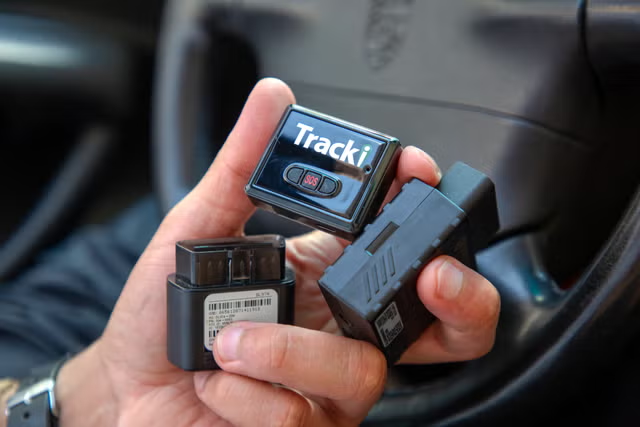
6. Tracki
Tracki has built a reputation as a budget-friendly, highly flexible tracker, supporting both vehicle and personal tracking use cases with a global SIM card that works internationally.
Key features:
- Compact size with strong magnetic mount option
- Global coverage with international SIM card support
- Real-time tracking with customizable update intervals
- Affordable subscription plans compared to competitors
Best for: Budget-conscious users who want a flexible tracker that works both domestically and internationally.
7. Zubie
Zubie leans more toward small business and fleet use, offering fleet management features like driver scorecards and maintenance alerts alongside standard GPS tracking.
Key features:
- OBD-II plug-in with real-time fleet tracking dashboard
- Driver scorecards based on speeding and braking behavior
- Maintenance alerts based on vehicle diagnostic data
- Fleet-wide reporting for multiple vehicles
Best for: Small business owners managing a handful of company vehicles who want fleet-style reporting without enterprise-level complexity.
8. Azuga
Azuga is built specifically for fleet management at scale, offering detailed analytics aimed at businesses managing larger numbers of vehicles and drivers.
Key features:
- Detailed driver safety scoring and gamification features
- Fuel usage tracking and cost reporting
- Maintenance scheduling based on real vehicle data
- Scalable dashboard for managing large fleets
Best for: Businesses managing mid-to-large vehicle fleets that need detailed driver safety analytics and fuel cost tracking.
9. Motosafety
Motosafety markets itself heavily toward both fleet management and teen driver monitoring, offering a hardwired option for more permanent, tamper-resistant installation.
Key features:
- Hardwired installation option for permanent tracking
- Teen driver report cards with speed and location alerts
- Geofencing with instant notifications
- Fleet management dashboard for business use
Best for: Parents monitoring teen drivers or small businesses wanting a more permanent, harder-to-remove tracking installation.
10. AT&T Fleet Complete
AT&T Fleet Complete rounds out the list as a carrier-backed fleet tracking solution, combining GPS tracking with broader fleet management tools built on AT&T’s network.
Key features:
- Real-time GPS tracking backed by AT&T’s nationwide network
- Fleet maintenance scheduling and diagnostics
- Driver behavior monitoring and safety scoring
- Integration with dash cams and asset tracking tags
Best for: Larger businesses that want a carrier-backed, scalable fleet tracking solution with broader asset tracking integration.
How to Choose the Right GPS Tracker for Your Needs
With this many solid options, the decision usually comes down to a few practical questions:
- Is this for personal use, teen monitoring, or a business fleet? Bouncie and Vyncs suit personal vehicles well, Motosafety leans toward teen monitoring, and Azuga or AT&T Fleet Complete are built for larger fleets.
- Do you want a plug-in, hardwired, or battery-powered tracker? OBD-II plug-in devices like Bouncie are easiest to install, while battery-powered options like the LandAirSea 54 offer more flexibility and discretion.
- How often do you need location updates? Real-time trackers updating every few seconds are better for active monitoring, while less frequent updates can extend battery life on portable devices.
- Do you need international coverage? Tracki stands out for users who need a tracker that works reliably outside the U.S.
- What’s your budget for the subscription, not just the device? Most trackers require an ongoing monthly or annual data plan, so it’s worth comparing total cost over a year, not just the upfront device price.
Most buyers find it useful to consider not just the hardware but the ongoing subscription cost, since a cheap device with an expensive data plan can end up costing more over time than a slightly pricier tracker with lower ongoing fees.
Frequently Asked Questions
1. Do GPS trackers require a monthly subscription? Yes, most GPS trackers require an ongoing data plan to transmit location information over cellular networks, typically ranging from $5 to $30 per month depending on update frequency and features included.
2. Is it legal to put a GPS tracker on a car? Generally, it’s legal to track a vehicle you own or have legal authority over, such as a company vehicle or a car registered to a minor in your household. Placing a tracker on someone else’s vehicle without consent is illegal in most jurisdictions and can carry serious legal consequences.
3. What’s the difference between a plug-in and a hardwired GPS tracker? Plug-in trackers connect through the vehicle’s OBD-II port and are easy to install or remove yourself, while hardwired trackers are wired directly into the vehicle’s electrical system, offering a more permanent, tamper-resistant installation typically done by a professional.
4. How accurate are car GPS trackers? Most modern GPS trackers are accurate within a few meters under normal conditions, though accuracy can decrease slightly in dense urban areas with tall buildings or in areas with poor cellular or satellite signal.
5. Can a GPS tracker help recover a stolen vehicle? Yes, real-time GPS trackers can provide law enforcement with the vehicle’s current location, significantly improving the chances of recovery compared to relying solely on manufacturer-installed systems or no tracking at all.
6. How long does the battery last on a portable GPS tracker? Battery life varies significantly based on update frequency, ranging from a few days with frequent real-time updates to several weeks or months with less frequent reporting intervals, as seen in devices like the LandAirSea 54.
7. Are fleet tracking devices different from personal GPS trackers? Fleet tracking devices, like those from Azuga or AT&T Fleet Complete, typically include additional features like driver safety scoring, fuel usage tracking, and multi-vehicle dashboards, which aren’t necessary for a single personal vehicle but are valuable for businesses managing multiple drivers.
Final Thoughts
GPS tracking devices have become remarkably affordable and easy to install, whether you’re keeping an eye on a teen driver, protecting a personal vehicle from theft, or managing a growing fleet of company vehicles. Simple plug-in options like Bouncie and Vyncs work well for individual drivers, while businesses managing multiple vehicles are better served by fleet-focused platforms like Azuga or AT&T Fleet Complete.
Before buying, weigh the device cost against the ongoing subscription fee, and make sure the update frequency and installation type actually match how and where you plan to use it.
