


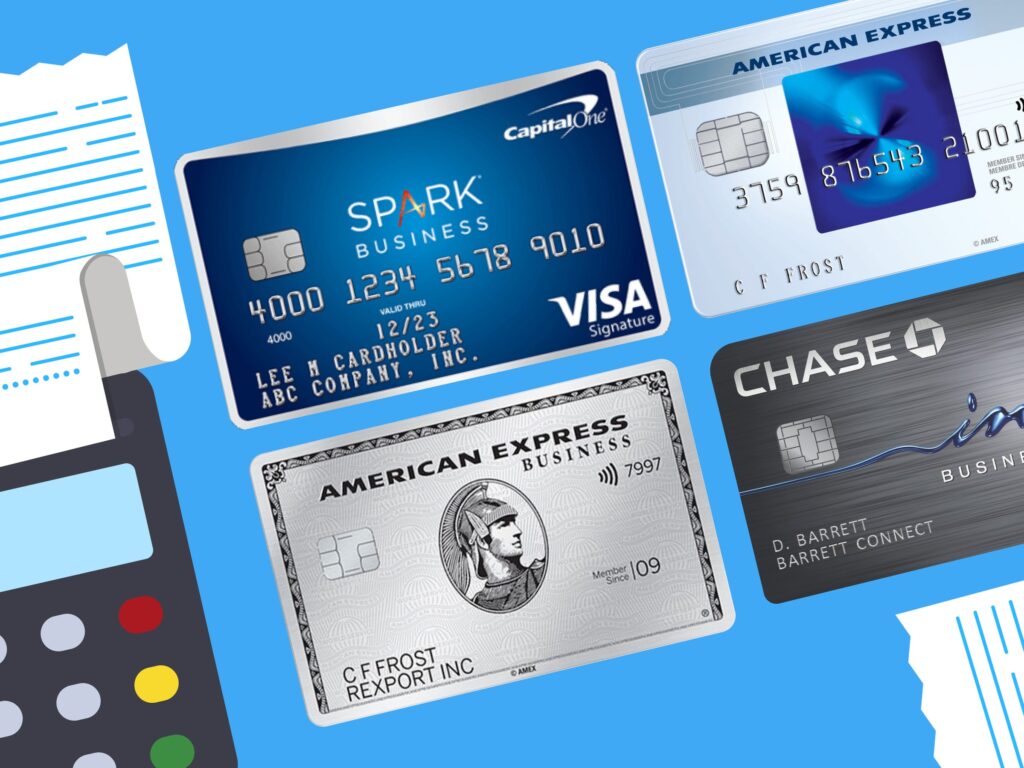
Building strong business credit is one of those foundational steps that quietly determines a lot about your company’s financial flexibility down the road from qualifying for better loan terms to negotiating favorable vendor payment terms to eventually securing significant financing without relying on a personal guarantee. And yet it’s an area many new business owners don’t think about until they actually need strong business credit and realize they haven’t built any.
A business credit card is one of the most accessible tools for establishing this credit history, since most business credit cards report to business credit bureaus (and sometimes personal credit bureaus as well), giving even a brand-new company a way to start building a track record. The right card depends on your business’s spending patterns, whether you’re trying to earn rewards or simply build credit affordably, and how established your business currently is.
This guide walks through the top business credit cards for building business credit in the US in 2026, along with what actually matters when comparing them. As with any financial decision, this is general information rather than personalized financial advice — it’s worth comparing current offers and terms directly with each issuer, since rates, rewards, and promotional offers change frequently.
How Business Credit Cards Actually Build Business Credit
Before comparing specific cards, it helps to understand the mechanism involved. Business credit cards typically report your payment history and credit utilization to one or more of the major business credit bureaus — Dun & Bradstreet, Experian Business, and Equifax Business — which is what actually builds your business credit profile over time, separate from your personal credit history.
Why this matters: Not every business credit card reports to all three bureaus, and some report only to business bureaus while others also report to personal credit bureaus, particularly if you default on payments. Understanding a card’s specific reporting practices matters if your primary goal is building business credit separate from your personal credit profile.
What actually builds credit: Consistent, on-time payments and reasonable credit utilization (generally keeping balances well below your credit limit) are the primary factors that build a strong credit history over time, regardless of which specific card you choose.
1. American Express Business Gold Card
The Amex Business Gold Card is a popular choice among established small businesses wanting strong rewards alongside solid credit-building potential.
Key features:
- Rewards on the top spending categories each billing cycle, adjusting automatically based on where you spend the most
- Reports to Dun & Bradstreet and other business credit bureaus
- No preset spending limit, offering flexibility for businesses with variable monthly expenses
- Annual fee applies, positioning it more toward established businesses that can offset the cost through rewards earned
Best for: Established small businesses with strong, consistent revenue who want to maximize rewards across variable spending categories while building business credit.
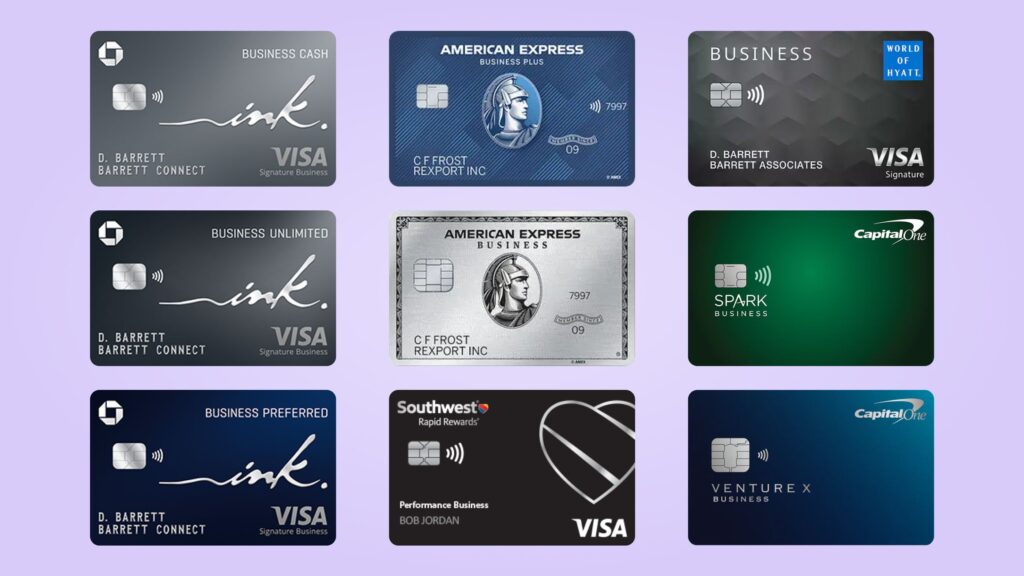
2. Chase Ink Business Unlimited
Chase’s Ink Business Unlimited card offers a straightforward flat-rate rewards structure without an annual fee, making it a popular starting point for newer businesses.
Key features:
- Flat-rate cash back on all purchases, without needing to track rotating categories
- No annual fee, reducing the cost barrier for newer or smaller businesses
- Reports to business credit bureaus, supporting business credit building
- Often includes an introductory 0% APR period for new cardholders
Best for: Newer small businesses wanting a simple, no-annual-fee card that builds credit without requiring active management of reward categories.
3. Chase Ink Business Cash
A close relative to the Ink Business Unlimited, the Ink Business Cash card offers bonus rewards in specific common small business spending categories.
Key features:
- Elevated cash back rates in categories like office supply stores, internet, cable, and phone services
- No annual fee
- Reports to business credit bureaus
- Often includes an introductory 0% APR period
Best for: Small businesses with consistent spending in office supplies, utilities, or telecommunications who want to earn enhanced rewards in those specific categories without an annual fee.
4. Capital One Spark Cash Plus
Capital One’s Spark Cash Plus is designed for businesses that want unlimited flat-rate cash back without a preset spending limit, though it requires payment in full each month.
Key features:
- Flat-rate unlimited cash back on all purchases
- No preset spending limit, useful for businesses with larger or variable monthly expenses
- Reports to major business credit bureaus
- Requires paying the balance in full monthly, functioning more like a charge card than a traditional revolving credit card
Best for: Businesses with strong cash flow that can pay balances in full each month and want simple, unlimited cash back without worrying about a fixed credit limit.
5. American Express Blue Business Cash Card
The Blue Business Cash Card offers a lower-cost entry point into the American Express business card lineup, appealing to newer or smaller businesses.
Key features:
- Flat-rate cash back automatically applied, without needing to redeem points
- No annual fee
- Reports to business credit bureaus
- Often includes an introductory 0% APR period on purchases
Best for: Small or newer businesses wanting a no-annual-fee entry point into building business credit with a well-established card issuer.

6. U.S. Bank Business Triple Cash Rewards
U.S. Bank’s Triple Cash Rewards card offers competitive rewards rates in common small business categories with a relatively accessible approval profile.
Key features:
- Elevated cash back in categories like gas stations, office supply stores, and cell phone service providers
- No annual fee
- Reports to business credit bureaus
- Often includes an introductory 0% APR period
Best for: Small businesses with regular spending in common operational categories who want straightforward rewards without an annual fee.
7. Wells Fargo Business Secured Credit Card
For very new businesses or those with limited credit history, a secured business credit card can provide an accessible entry point specifically designed for building credit from scratch.
Key features:
- Requires a security deposit, which typically sets your credit limit
- Reports to major business credit bureaus, helping establish a credit history even without an extensive existing track record
- Potential to graduate to an unsecured card after demonstrating responsible use over time
Best for: Brand-new businesses or those with limited or no existing business credit history who need an accessible way to start building a credit profile.
8. Brex Card for Startups
Brex offers a corporate charge card specifically designed for startups, often more accessible for newer companies without extensive credit history, since approval is generally based more heavily on business financials and funding rather than personal credit.
Key features:
- No personal guarantee required in many cases, which can be particularly appealing for startup founders wanting to avoid personal liability
- Rewards tailored to common startup spending categories, like software subscriptions and advertising
- Built-in expense management tools alongside the card itself
- Reporting practices and specific requirements should be confirmed directly, since Brex’s underwriting model differs from traditional bank-issued business cards
Best for: Venture-backed startups or newer companies with strong funding but limited traditional credit history, particularly those wanting to avoid a personal guarantee.
Key Factors to Consider When Choosing a Business Credit Card
Annual fees versus rewards value: Cards with annual fees often provide stronger rewards rates or additional benefits, but it’s worth calculating whether your actual spending patterns would generate enough rewards value to offset the fee, particularly for newer businesses with more modest spending volume.
Personal guarantee requirements: Most business credit cards, particularly for newer businesses, require a personal guarantee, meaning you’re personally liable for the debt if the business can’t pay. Understanding this upfront is important, since it affects your personal credit and liability, not just your business credit.
Credit bureau reporting practices: Confirm which business credit bureaus a card reports to, since this affects how effectively it builds your specific business credit profile, and whether the card also reports to personal credit bureaus under certain circumstances, like missed payments.
Introductory APR offers: Many cards offer a 0% introductory APR period, which can be valuable for financing a significant initial purchase, but it’s worth understanding the standard APR that applies once the introductory period ends.
Spending category alignment: Choosing a card whose bonus reward categories align with your business’s actual regular spending patterns matters more than chasing a card with an impressive headline rewards rate that doesn’t reflect how you actually spend.
Tips for Building Strong Business Credit With a Card
- Pay on time, every time: Payment history is the single most influential factor in building strong business credit, making consistent, on-time payments the foundation of any credit-building strategy.
- Keep credit utilization reasonable: Using a large percentage of your available credit limit consistently can negatively affect your credit profile, even if you pay on time, so keeping utilization moderate relative to your credit limit is generally beneficial.
- Establish a separate business credit profile properly: Make sure your business is properly registered with business credit bureaus like Dun & Bradstreet (which involves obtaining a D-U-N-S number), since this formal registration supports building a credit profile that’s genuinely separate from your personal credit.
- Use the card for legitimate business expenses: Keeping business and personal expenses clearly separated, using the business card exclusively for business purposes, supports both cleaner accounting and stronger business credit history over time.

Frequently Asked Questions
1. Do business credit cards affect my personal credit score? It depends on the card and issuer. Many business credit cards require a personal guarantee, and some report account activity to personal credit bureaus, particularly if payments are missed, so it’s worth confirming a specific card’s reporting practices before assuming your personal credit is entirely separate from your business card activity.
2. Can a brand-new business with no credit history get a business credit card? Yes, though options may be more limited. Secured business credit cards, which require a deposit, are specifically designed for this situation, and some issuers evaluate applications based partly on the business owner’s personal credit history when the business itself lacks an established credit profile.
3. What is a D-U-N-S number, and do I need one to build business credit? A D-U-N-S number is a unique identifier issued by Dun & Bradstreet used to establish and track a business’s credit profile. Obtaining one, which is free directly through Dun & Bradstreet, is generally an important early step in building a business credit history separate from your personal credit.
4. How long does it take to build strong business credit using a credit card? This varies, but establishing a meaningful credit history generally takes at least several months to a year of consistent, on-time payment activity, with stronger credit profiles typically developing over a longer period of sustained responsible use.
5. Is it better to choose a card with rewards or one focused purely on building credit? Most cards that report to business credit bureaus will help build credit regardless of their rewards structure, so choosing based on which rewards program best matches your actual spending patterns is generally more useful than assuming certain cards are specifically better for credit building over others.
6. What’s the difference between a charge card and a traditional business credit card? Charge cards, like some Amex and Capital One business products, typically require paying the full balance each month rather than allowing a revolving balance, often in exchange for no preset spending limit, while traditional credit cards allow carrying a balance month to month, subject to interest charges.
7. Should I avoid business credit cards that require a personal guarantee? Not necessarily, since most business credit cards, particularly for newer businesses, require some form of personal guarantee. It’s more about understanding the liability involved and factoring that into your overall risk assessment, rather than assuming a personal guarantee automatically makes a card a poor choice.
Final Thoughts
Building strong business credit takes consistent, deliberate effort over time, and choosing the right business credit card is one of the more accessible starting points for establishing that history. Cards like the Chase Ink Business Unlimited or American Express Blue Business Cash offer accessible, no-annual-fee entry points for newer businesses, while cards like the Amex Business Gold or Capital One Spark Cash Plus suit more established businesses wanting to maximize rewards alongside credit building.
Regardless of which specific card you choose, the fundamentals — consistent on-time payments, reasonable credit utilization, and properly separating business and personal finances — matter more than any single card’s specific features in determining how quickly and effectively you build a genuinely strong business credit profile.