


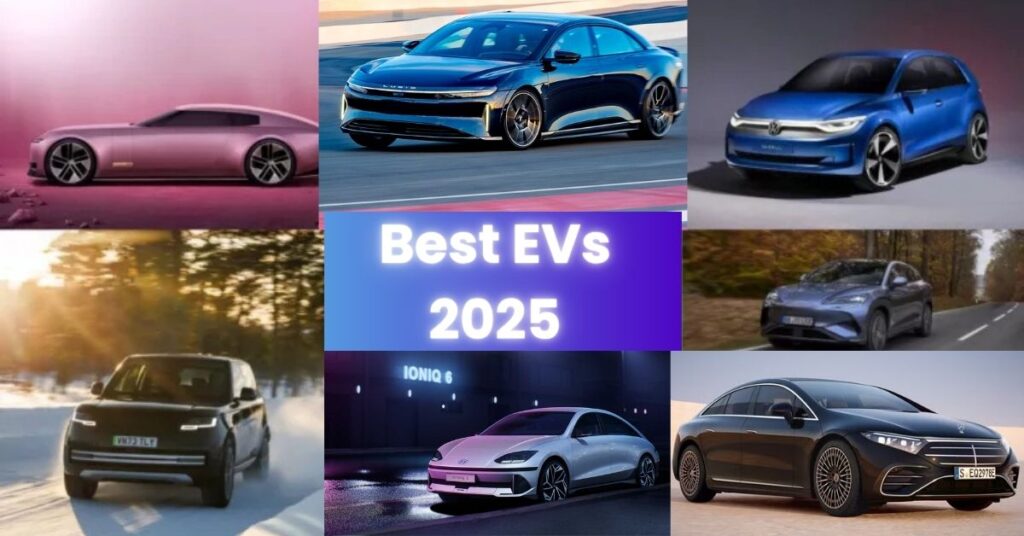
Electric vehicles (EVs) are rapidly evolving from niche alternatives into mainstream automotive powerhouses. As we step into 2025, technology has become the defining characteristic separating average EVs from those truly ahead of the curve. Manufacturers are integrating cutting-edge advancements in artificial intelligence, autonomous driving, battery performance, infotainment systems, and overall user experience to offer a futuristic driving experience. This article explores the electric vehicles with the best tech features in 2025, examining their innovations, capabilities, and how they’re redefining modern transportation.
The Evolution of EV Technology
Electric vehicles have come a long way since their early models. Improvements in lithium-ion battery technology, more efficient motors, widespread charging infrastructure, and government incentives have boosted their popularity. However, the most exciting changes are technological, making 2025 EVs smarter, safer, and more enjoyable than ever before.
Tesla Model S Plaid: A Tech Marvel
Autopilot and Full Self-Driving (FSD)
Tesla continues to dominate with its signature Autopilot and Full Self-Driving packages. In 2025, the FSD Beta has advanced to include city street navigation, automatic lane changes, and traffic light recognition with minimal human intervention.
In-Car Gaming and Entertainment
The Model S Plaid’s infotainment system includes a high-powered gaming computer that supports Steam, Netflix, and YouTube. A 17-inch cinematic display and rear screen for passengers make long trips far more engaging.
Battery and Charging Innovations
Tesla’s latest battery architecture offers up to 520 miles of range and utilizes new thermal management systems to allow faster and more efficient supercharging.
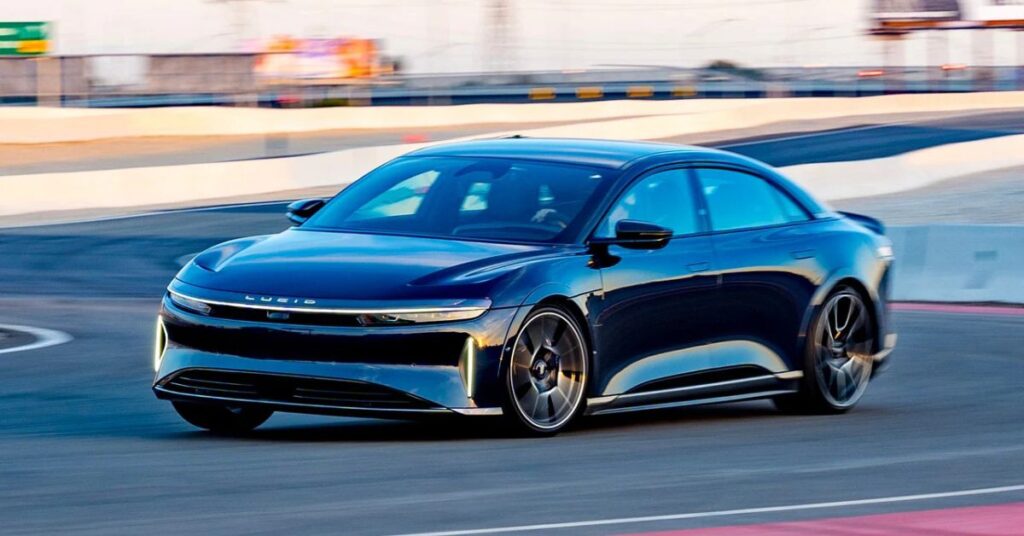
Lucid Air Sapphire: Luxury Meets Innovation
Glass Cockpit and 34-Inch Curved Display
Lucid Air’s dashboard features a stunning 34-inch floating glass screen that wraps around the driver. This intuitive layout provides navigation, vehicle data, and multimedia in a sleek interface.
Lucid DreamDrive Pro
DreamDrive Pro is Lucid’s advanced driver-assistance system with over 30 sensors including cameras, radar, and LiDAR. It supports hands-free driving on mapped highways and is continually updated through over-the-air software enhancements.
Bi-Directional Charging
Lucid’s technology also allows for vehicle-to-grid and vehicle-to-home power flow, meaning your car can power your home during outages or share electricity with the grid during peak hours.
BMW i7: The Intelligent Flagship Sedan
iDrive 9 Operating System
The 2025 i7 introduces iDrive 9, which uses voice and gesture control to manage climate, navigation, and entertainment. The AI learns driver preferences and adapts accordingly.
Theater Screen Experience
Rear passengers can enjoy a 31-inch 8K Theater Screen that folds down from the roof, transforming the back seat into a luxury cinema.
Level 3 Autonomy
BMW’s latest driver-assist package enables conditional autonomous driving under certain conditions, especially in heavy traffic on highways.
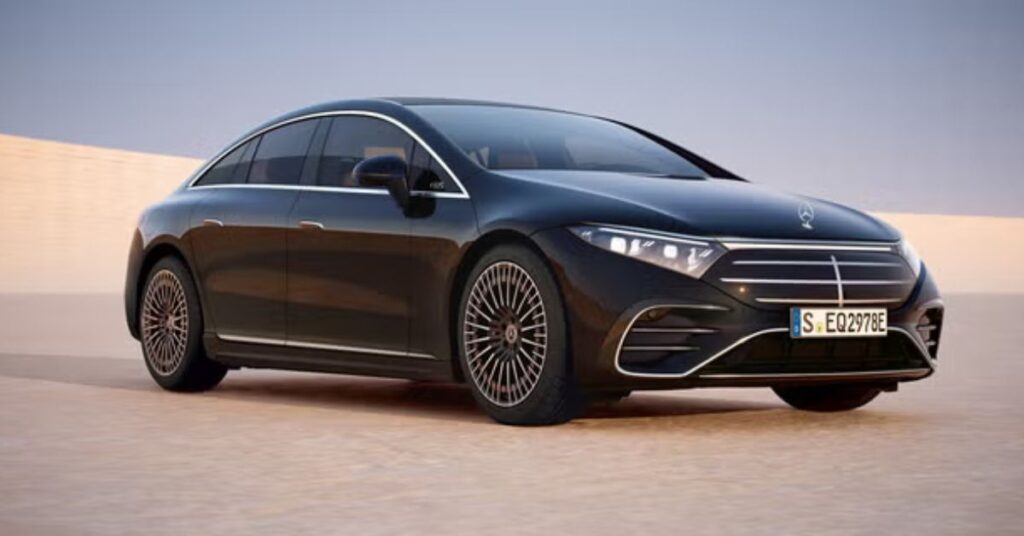
Mercedes-Benz EQS: Luxury and Autonomy Combined
MBUX Hyperscreen
The MBUX Hyperscreen stretches across the dashboard, integrating the instrument cluster, infotainment, and passenger display in a seamless OLED panel. AI-powered suggestions adapt the screen to user habits.
Drive Pilot Level 3 Autonomy
Mercedes became one of the first automakers to gain regulatory approval for Level 3 autonomous driving. In 2025, this system supports fully hands-free operation in designated areas with real-time traffic updates and emergency maneuver handling.
Energizing Comfort Programs
EQS features holistic in-cabin wellness settings that adjust lighting, sound, temperature, and massage functions for different moods such as relaxation or focus.
Rivian R1T and R1S: Adventure Meets High-Tech
Quad-Motor AWD and Tank Turn
Rivian’s R1T (pickup) and R1S (SUV) include a quad-motor setup for incredible off-road precision. The “Tank Turn” allows the vehicle to rotate 360 degrees in place on loose surfaces.
Camp Mode and Utility Apps
Drivers can manage gear storage, vehicle leveling for camping, and even kitchen appliances through a dedicated Camp Mode app. The system can run third-party apps for enhanced utility on remote adventures.
Over-the-Air Updates and Open Ecosystem
Rivian’s software architecture supports OTA updates and an open app ecosystem that invites developers to create tools for outdoor and utility-focused needs.
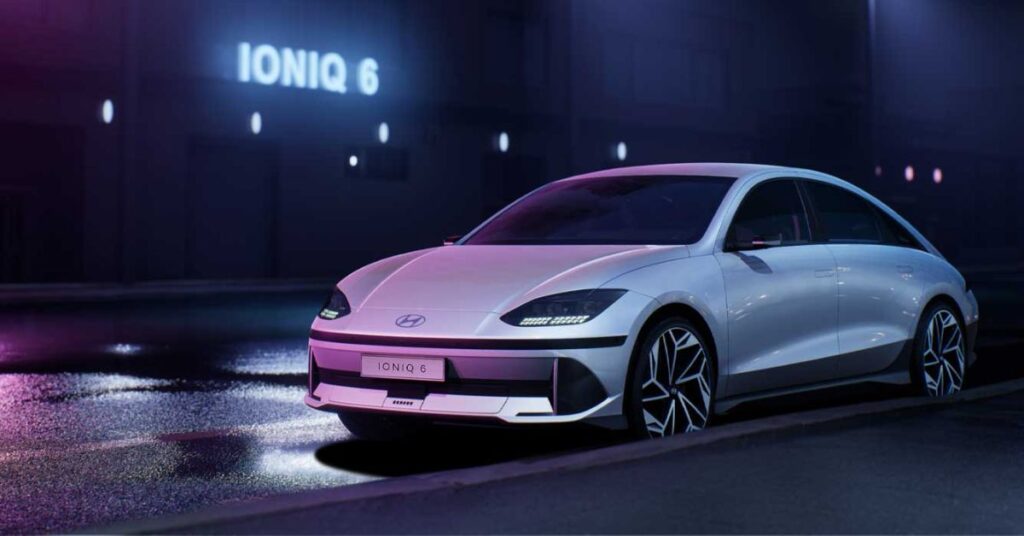
Hyundai Ioniq 6: Smart Design and Digital Harmony
Digital Key 2.0
Hyundai’s Digital Key lets you unlock and start the Ioniq 6 with a smartphone or smartwatch. It can also share access remotely with friends or family.
Vehicle-to-Load (V2L) Functionality
This feature turns the Ioniq 6 into a portable generator capable of powering laptops, electric grills, or even another EV in emergencies.
Advanced Driver Assist System (ADAS)
The latest version includes Highway Driving Assist 2, which supports semi-autonomous lane changes, adaptive cruise control, and intelligent speed limit tracking.
Ford Mustang Mach-E 2025: Tech-Forward American Muscle
BlueCruise 1.3 Hands-Free Driving
Ford’s BlueCruise allows hands-free driving on over 130,000 miles of highway in the U.S. The updated version includes improved lane-centering and exit ramp navigation.
Ford Power-Up Updates
Similar to Tesla, Ford enables software updates via Wi-Fi, continuously improving vehicle performance, safety, and infotainment.
Sync 4A System
This voice-activated system supports wireless Apple CarPlay, Android Auto, and an expansive app marketplace tailored for drivers.
Porsche Taycan 2025: Sporty and Smart
Performance Battery Plus
Porsche’s performance battery provides up to 500 km range while maintaining 800-volt charging technology for ultra-fast recharges.
Smart Charging Planner
This AI-powered system calculates charging stops based on real-time traffic, weather, and charging station availability to optimize road trips.
Dual Screens and Haptic Feedback
The interior features dual screens for driver and passenger, with touch-sensitive panels and haptic feedback to ensure a responsive, premium experience.
Top Tech Features to Look for in 2025 EVs
1. Autonomous Driving Capabilities
Level 2 to Level 3 systems are increasingly common. Vehicles like the Mercedes EQS, BMW i7, and Tesla Model S lead the charge with semi-autonomous features that reduce driving fatigue and increase safety.
2. Over-the-Air Software Updates
This allows automakers to fix bugs, improve performance, and even introduce new features without requiring a service center visit. Tesla, Rivian, and Ford are industry leaders in this aspect.
3. Smart Infotainment Systems
AI-powered voice assistants, large interactive displays, and seamless smartphone integration are becoming standard. Vehicles like the Lucid Air and BMW i7 redefine how drivers interact with technology.
4. Bi-Directional Charging (V2G and V2H)
EVs are no longer just consumers of power. They can now act as emergency energy sources or even help stabilize the grid.
5. Enhanced Safety and Driver Assistance Systems
From automatic emergency braking to predictive collision alerts and blind-spot monitoring, 2025 EVs come with safety technology that was once only seen in luxury models.
Challenges in EV Tech Adoption
Battery Recycling and Environmental Impact
Despite advancements, lithium-ion batteries still present environmental and ethical challenges regarding sourcing and recycling.
Infrastructure Compatibility
Not all features like high-speed charging or autonomous driving are usable in every region due to lacking infrastructure or legal approval.
Price Barrier
Many high-tech EVs remain expensive. However, manufacturers are working on more affordable versions without sacrificing core innovations.
The Future of EV Technology
By 2030, experts predict that most vehicles will offer some form of autonomous driving and that smart connectivity will be a baseline requirement. In-car experiences will continue to blend with digital lifestyles, and EVs may become personal tech hubs just as much as transport solutions.
Conclusion
2025 marks a turning point in the electric vehicle industry. No longer defined just by their environmental benefits, EVs now compete aggressively on the technology front. From semi-autonomous driving and AI-powered infotainment to bi-directional charging and immersive in-car experiences, the latest EVs are more than just cars they are intelligent, connected ecosystems on wheels. As competition intensifies, consumers can expect even more innovation, customization, and performance in the years ahead.
Frequently Asked Questions
What is the most technologically advanced EV in 2025?
The Tesla Model S Plaid, Lucid Air Sapphire, and BMW i7 are among the most tech-packed electric vehicles this year.
Do all EVs support autonomous driving?
Not all EVs offer full autonomous features. Most provide driver assistance with varying levels of autonomy, depending on the brand and model.
Are over-the-air updates safe?
Yes, manufacturers secure updates through encrypted channels. Tesla, Ford, and Rivian have proven this method to be reliable.
What EV offers the best infotainment system?
Lucid Air and Mercedes EQS stand out with their stunning displays and AI-driven interfaces.
Is bi-directional charging available in all EVs?
No. Only select models like the Lucid Air and Hyundai Ioniq 6 currently support this feature, but adoption is increasing.