


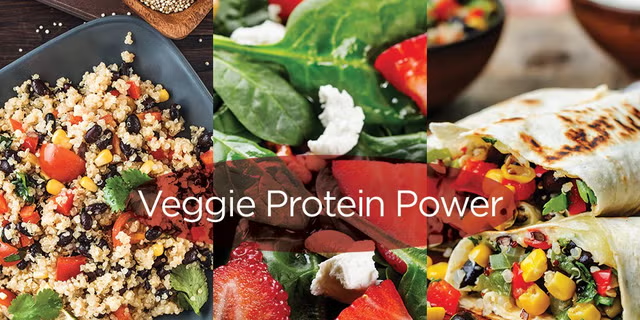
Protein is one of the most talked-about nutrients in modern nutrition and for good reason. It plays a vital role in building muscle, supporting metabolism, balancing hormones, and keeping you full and energized throughout the day. While many people still associate protein primarily with meat, fish, and eggs, the truth is that a vegetarian diet can be just as protein-rich, satisfying, and delicious.
For vegetarians, bakers, home cooks, and health-conscious food lovers alike, understanding high-protein vegetarian foods opens the door to endless creative possibilities in the kitchen. From hearty legumes and wholesome grains to dairy, soy, nuts, and innovative plant-based products, vegetarian protein sources are more diverse than ever.
In this guide, we’ll explore the best high-protein vegetarian foods, their nutritional benefits, how to use them in everyday cooking and baking, and how to build balanced, protein-packed meals that support a healthy lifestyle without sacrificing flavor.
Why Protein Matters in a Vegetarian Diet
Protein is essential for nearly every function in the body. It helps:
-
Build and repair muscles and tissues
-
Support immune health
-
Maintain healthy skin, hair, and nails
-
Regulate enzymes and hormones
-
Promote fullness and reduce cravings
For vegetarians, the key challenge isn’t getting enough protein it’s choosing a variety of quality protein sources to ensure a complete amino acid profile.
Complete vs. Incomplete Proteins
-
Complete proteins contain all nine essential amino acids (e.g., dairy, eggs, soy).
-
Incomplete proteins lack one or more essential amino acids (e.g., grains, legumes, nuts).
The good news? Combining different plant foods throughout the day easily meets protein needs without complicated planning.
Legumes: The Foundation of Vegetarian Protein
Legumes are among the most powerful and affordable protein sources in a vegetarian diet.
Lentils
Lentils are a nutritional powerhouse, offering around 18 grams of protein per cooked cup.
Benefits:
-
High in fiber for digestion
-
Rich in iron and folate
-
Naturally low in fat
How to use:
-
Lentil soups and stews
-
Lentil-based veggie burgers
-
Protein-rich lentil salads
-
Baked lentil loafs
Chickpeas (Garbanzo Beans)
Chickpeas provide about 14–15 grams of protein per cup and are incredibly versatile.
Popular uses:
-
Classic hummus
-
Roasted chickpea snacks
-
Chickpea curries
-
Chickpea flour (besan) for baking and savory pancakes
Black Beans, Kidney Beans, and Pinto Beans
Beans are budget-friendly, filling, and nutrient-dense.
Protein content: 14–16 grams per cup
Best for:
-
Chili
-
Tacos and burritos
-
Bean-based brownies and baked goods
-
Veggie burgers
Soy-Based Foods: Complete Plant Proteins
Soy is one of the few plant-based complete proteins, making it especially valuable for vegetarians.
Tofu
Tofu offers 10–20 grams of protein per serving, depending on firmness.
Why it’s great:
-
Absorbs flavors beautifully
-
Suitable for sweet and savory dishes
-
Easy to bake, grill, sauté, or blend
Uses:
-
Tofu scrambles
-
Stir-fries
-
Protein smoothies
-
Dairy-free cheesecakes and desserts


Tempeh
Tempeh is fermented soy with a firm texture and nutty flavor.
Protein: ~20–22 grams per cup
Benefits:
-
Easier to digest than tofu
-
Rich in probiotics
-
High in fiber
Perfect for sandwiches, bowls, and baked dishes.
Edamame
Young soybeans are fun, filling, and protein-dense.
Protein: ~17 grams per cup
Enjoy them steamed, roasted, or added to salads and grain bowls.
Dairy and Eggs (For Lacto-Ovo Vegetarians)
For vegetarians who include dairy and eggs, protein options expand even further.
Greek Yogurt
Greek yogurt contains 15–20 grams of protein per serving.
Uses:
-
Breakfast bowls
-
Baking substitute for sour cream
-
Protein-rich sauces and dips
Cottage Cheese
A classic high-protein food with around 14 grams per half cup.
Perfect for:
-
Savory spreads
-
Protein pancakes
-
Baking moisture enhancer
Eggs
Eggs are a complete protein with about 6–7 grams per egg.
They’re ideal for:
-
Breakfast dishes
-
Baking
-
Vegetarian quiches and frittatas
Nuts and Seeds: Small but Mighty
Nuts and seeds may be calorie-dense, but they’re packed with protein, healthy fats, and minerals.
Almonds
Protein: ~6 grams per ounce
Use in:
-
Baking
-
Nut butter
-
Toppings for yogurt and oatmeal
Chia Seeds
Protein: ~5 grams per 2 tablespoons
Also rich in omega-3s and fiber.
Great for puddings, smoothies, and baked goods.
Pumpkin Seeds
One of the highest-protein seeds, offering 7–9 grams per ounce.
Perfect as snacks, salad toppings, or blended into sauces.
Whole Grains with High Protein Content
Grains often get overlooked as protein sources, but many offer impressive amounts.
Quinoa
Quinoa is a complete protein with about 8 grams per cup.
Use it as:
-
A rice substitute
-
Salad base
-
Breakfast porridge
-
Baking ingredient
Oats
Oats provide 6–7 grams of protein per cup and are perfect for baked goods.
High-protein oat ideas:
-
Protein muffins
-
Overnight oats
-
Oatmeal with nuts and seeds
Farro, Barley, and Brown Rice
While not complete proteins, these grains contribute meaningfully when paired with legumes.
High-Protein Vegetarian Foods for Baking
For a baking-focused site like carlahallbakes.com, protein-rich baking ingredients deserve special attention.
Chickpea Flour
-
Naturally gluten-free
-
High in protein and fiber
-
Great for savory bakes, pancakes, and flatbreads
Almond Flour
-
Higher protein than regular flour
-
Moist texture
-
Ideal for cookies, cakes, and muffins
Protein-Enriched Baking Ideas
-
Greek yogurt banana bread
-
Lentil chocolate brownies
-
Tofu-based cheesecakes
-
Seed-packed energy bars
Building Balanced High-Protein Vegetarian Meals
To maximize protein intake, combine different sources throughout the day.
Sample High-Protein Vegetarian Day
Breakfast:
Greek yogurt with nuts, seeds, and oats
Lunch:
Quinoa salad with chickpeas and vegetables
Snack:
Roasted edamame or protein smoothie
Dinner:
Tempeh stir-fry with brown rice
Dessert:
Protein-rich baked goods using almond flour or yogurt
Common Myths About Vegetarian Protein
“Vegetarians Don’t Get Enough Protein”
False. With proper food choices, vegetarian diets can easily meet or exceed protein needs.
“Plant Protein Isn’t Effective”
Plant proteins support muscle growth, energy, and health when consumed in variety.
“You Must Combine Proteins at Every Meal”
No. Protein balance occurs over the course of the day, not in a single meal.

High-Protein Vegetarian Foods for Athletes and Active Lifestyles
Vegetarian athletes thrive on plant-based protein when they prioritize:
-
Total calorie intake
-
Protein timing
-
Strength training support foods
Excellent options include tofu, tempeh, lentils, Greek yogurt, and protein smoothies.
Sustainability and Health Benefits
High-protein vegetarian foods are not only nutritious but also environmentally friendly.
Benefits include:
-
Lower carbon footprint
-
Reduced saturated fat intake
-
Improved heart health
-
Better digestion due to fiber content
Choosing plant-based protein supports both personal wellness and the planet.
Tips for Increasing Protein Intake Naturally
-
Add seeds to baked goods
-
Use Greek yogurt in recipes
-
Snack on roasted legumes
-
Experiment with protein-rich flours
-
Include legumes in every main meal
Small changes add up quickly.
Conclusion
High-protein vegetarian foods prove that a plant-based or vegetarian lifestyle can be nutrient-dense, satisfying, and incredibly flavorful. From legumes and soy products to dairy, whole grains, nuts, and baking-friendly ingredients, there are countless ways to meet protein needs while enjoying delicious food.
Whether you’re a home baker, health-focused cook, or simply exploring vegetarian nutrition, embracing high-protein vegetarian foods allows you to fuel your body, support sustainable eating, and elevate your everyday meals all without compromise.
Frequently Asked Questions (FAQ)
What are the best high-protein vegetarian foods?
Some of the best high-protein vegetarian foods include lentils, chickpeas, tofu, tempeh, Greek yogurt, cottage cheese, quinoa, eggs, nuts, seeds, and legumes. These foods provide essential amino acids and are easy to include in everyday meals.
Can vegetarians get enough protein without supplements?
Yes. A well-planned vegetarian diet can easily meet daily protein requirements through whole foods such as legumes, dairy, soy products, whole grains, nuts, and seeds without the need for supplements.
Which vegetarian foods contain complete protein?
Complete vegetarian protein sources include eggs, dairy products (milk, yogurt, cheese), soy-based foods like tofu, tempeh, edamame, and quinoa.
How much protein do vegetarians need daily?
Most adults need approximately 0.8 grams of protein per kilogram of body weight. Active individuals and athletes may require more, depending on their activity level and goals.
Are plant-based proteins good for muscle building?
Yes. When consumed in adequate amounts and combined with strength training, plant-based proteins effectively support muscle growth, recovery, and overall strength.
What are high-protein vegetarian foods suitable for baking?
High-protein baking ingredients include Greek yogurt, cottage cheese, almond flour, chickpea flour, oats, nut butters, seeds, and tofu. These ingredients enhance both nutrition and texture.
Is a high-protein vegetarian diet healthy?
A high-protein vegetarian diet can support heart health, digestion, weight management, and overall wellness when balanced with whole foods and adequate calories.
Can children and seniors follow a high-protein vegetarian diet?
Yes. With proper planning, high-protein vegetarian diets can meet the nutritional needs of children and older adults, supporting growth, muscle maintenance, and energy levels.
Do vegetarian proteins cause bloating?
Some people may experience bloating from legumes if introduced too quickly. Soaking beans, cooking them thoroughly, and increasing intake gradually can reduce digestive discomfort.
How can I increase protein intake without eating more calories?
Focus on nutrient-dense foods like Greek yogurt, tofu, lentils, eggs, and protein-rich flours. Balancing meals with vegetables and fiber also helps manage calorie intake.