


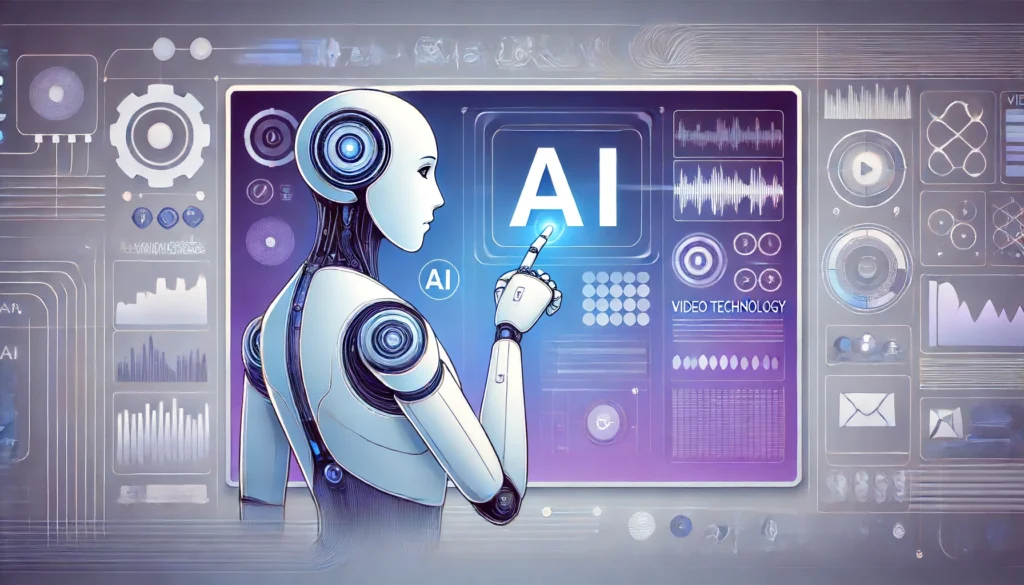
A few years ago, if you wanted to make something look even remotely cinematic, you needed a camera crew, decent lighting, editing software you’d spent months learning, and probably a budget that made your eyes water. Now, someone with a laptop and an idea can generate a moving scene from a sentence typed into a text box. That’s not a small shift. That’s the kind of change that quietly rewrites who gets to tell stories and how those stories get made.
AI video technology has moved fast faster than most people expected, honestly. What started as glitchy, uncanny clips a couple of years back has turned into tools that can generate coherent scenes, consistent characters, and camera movement that actually looks intentional. And it’s not just a novelty anymore. It’s showing up in ad campaigns, indie films, social content, corporate training videos, and increasingly, in places nobody expected it to reach this soon.
So let’s actually dig into what’s changing, why it matters, and where this is realistically headed without the usual hype or the usual doom.
From Text to Motion: What Actually Changed
The leap that made all of this possible wasn’t just “better video generation.” It was a shift in how these models understand time. Earlier AI image tools were good at producing a single striking frame, but stringing frames together into something that felt continuous where objects didn’t randomly warp, lighting stayed consistent, and motion looked physically plausible was a much harder problem.
What changed is that newer models got much better at understanding not just what a scene looks like, but how it should move and evolve over time. That’s a genuinely different kind of problem than generating a static image, and solving it opened the door to tools that can take a written description and turn it into several seconds of footage that actually holds together. It’s still not flawless hands still misbehave sometimes, physics can get a little dreamlike in the wrong way but the trajectory has been steep, and each new generation of tools closes gaps that used to be obvious.
Why This Matters Beyond the Tech Demo
It’s easy to treat this as just another cool AI party trick, but the actual implications run deeper, especially for storytelling specifically.
Traditionally, turning an idea into a moving image required a chain of specialists — a director, a cinematographer, editors, colorists, sometimes VFX artists plus equipment, locations, and time. That chain is expensive and slow, which meant that visual storytelling at a high level was mostly gated behind budget. A studio could greenlight an idea. A solo creator with a strong story but no funding usually couldn’t compete visually, no matter how good the idea was.
AI video tools chip away at that gate. Not completely there’s still a real gap between a quick AI-generated clip and a polished, professionally shot film but the distance has shrunk enough that people with good ideas and no budget can now produce something that actually looks like it belongs on a screen. That’s a real shift in who gets access to visual storytelling as a medium, not just a shift in workflow efficiency for people who already had access.
Filmmakers Are Already Using This, Quietly
A lot of the loudest conversation around AI video happens in headlines about full AI-generated films, but the more interesting shift is happening quietly, inside normal production pipelines. Filmmakers are using these tools for pre-visualization mocking up a scene before committing budget to shoot it for real, so directors and cinematographers can experiment with blocking, lighting, and camera angles without burning an actual shoot day.
It’s also showing up in smaller but meaningful ways: generating background plates instead of sending a crew somewhere expensive, filling in transitional shots that would otherwise cost more time than they’re worth, or quickly testing a visual concept before deciding whether it’s worth pursuing for real. None of that replaces the craft of actual filmmaking it just removes some of the friction and cost around the parts of the process that used to eat up time and money without adding creative value.
The Advertising World Moved First
Advertising has always been an early adopter of anything that shortens the distance between an idea and a finished piece of content, so it’s no surprise this industry jumped on AI video early and hard. Brands that used to need multi-day shoots for a thirty-second spot can now generate multiple visual concepts in a fraction of the time, test them, and only commit real production budget to the concept that actually resonates.
This has a ripple effect worth noticing: it changes the economics of experimentation. Historically, testing five different creative directions for a campaign was expensive, so most brands picked one direction and hoped it worked. Now, cheaply generating rough versions of several concepts before choosing one to refine properly is realistic, which means more ideas get a real shot at being tested rather than getting cut early just because testing them was too costly.
Independent Creators Are the Real Story Here
If there’s one group genuinely being reshaped by this technology, it’s independent creators people making short films, YouTube content, social videos, or passion projects without a studio behind them. For this group, AI video tools aren’t just a convenience; they’re closing a gap that used to be nearly impossible to close without serious money.
A solo creator with a strong concept for a sci-fi short, historically, would have hit a hard wall the moment the story called for something like an alien landscape or a futuristic city. Building that kind of visual required either a huge budget for practical effects and location shooting, or advanced VFX skills most people don’t have. Now, that same creator can generate a visually compelling version of that scene, iterate on it, and actually finish the project instead of abandoning it at the “great idea, no way to execute it” stage.
This doesn’t mean every AI-assisted indie project looks incredible a lot of it still looks rough around the edges, and audiences can usually tell. But “rough but finished and genuinely creative” beats “polished only in someone’s head” every time, and that’s the trade a lot of creators are now able to make that they couldn’t before.
What This Means for the Craft of Storytelling Itself
Here’s where it gets genuinely interesting rather than just practical. When the mechanics of producing a visual become easier, the emphasis naturally shifts toward the parts of storytelling that were always the hardest to fake: a strong concept, good pacing, and an actual point of view.
For a long time, visual polish could paper over a weak story a beautifully shot scene with nothing to say still looked impressive on a screen. As producing visually competent footage gets cheaper and more accessible, that cover starts to wear thin. When everyone can generate a decent-looking shot, the differentiator stops being “can you make this look good” and starts being “do you actually have something worth showing.” That’s arguably a healthy shift for storytelling as a craft, even if it’s an uncomfortable one for people whose main skill was technical polish rather than narrative instinct.

The Honest Limitations Nobody Should Skip Over
It would be dishonest to talk about this without being upfront about where the technology still falls short, because the gap matters for anyone actually trying to use these tools seriously.
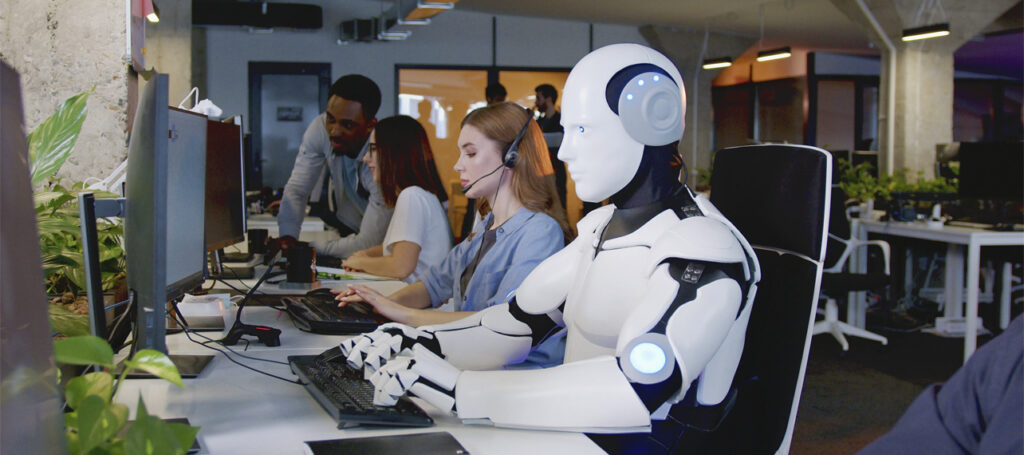
Consistency across longer sequences remains genuinely hard. Getting a character to look exactly the same across multiple shots, in different lighting and angles, is still an unsolved problem in a lot of tools — faces drift, details shift, and continuity breaks in ways a human editor would immediately catch and fix. Fine motor details like hands, complex physical interactions, and anything requiring precise physical realism can still look subtly wrong in ways that pull viewers out of the moment.
There’s also the question of emotional nuance. A generated performance can look technically convincing but still feel hollow in a way that’s hard to pin down the kind of subtle micro-expression a good actor brings to a scene isn’t something these tools reliably produce yet. For stories that live or die on emotional performance, that’s a real limitation, not a minor one.
Ethics and Ownership: The Conversation That Isn’t Going Away
No honest discussion about AI video can skip the harder questions, and there are several worth sitting with rather than rushing past.
There’s the issue of training data a lot of these models learned from enormous volumes of existing footage and images, much of it created by working artists and filmmakers who never explicitly consented to their work being used that way. That’s an unresolved tension in the industry, and it’s not going away just because the tools are useful.
There’s also the deepfake problem, which is a genuinely different concern from creative filmmaking. The same underlying technology that lets a creator generate an imaginative scene can be used to fabricate footage of real people doing or saying things they never did. That’s a serious risk, and it’s part of why platforms, regulators, and the industry more broadly are still scrambling to build reliable detection tools and sensible policy around synthetic media. Anyone building or using these tools responsibly has to take that seriously rather than treating it as someone else’s problem.
And then there’s a more practical, human question: what happens to the people whose jobs used to sit in the parts of this process that are now automated? Camera operators, certain VFX roles, some editing work — these aren’t disappearing overnight, but the shape of demand for them is shifting, and that’s a real cost for real people, even as new kinds of opportunities open up elsewhere.
Where This Is Realistically Headed
It’s tempting to either predict full AI-generated blockbusters within a couple of years or dismiss the whole thing as a passing fad. Neither extreme is likely to be right.
The more realistic trajectory looks like deeper integration into existing workflows rather than wholesale replacement of them. Expect these tools to keep getting better at consistency, longer coherent sequences, and finer control over camera movement and performance narrowing the gap with traditional production rather than closing it entirely anytime soon. Expect hybrid workflows to become the norm, where AI handles the parts of production that are expensive or tedious, while human filmmakers focus on direction, story, and the creative judgment calls that these tools still can’t reliably make on their own.
The role of the storyteller doesn’t disappear in that future it shifts. Less time spent wrestling with the mechanics of production, more time spent on the actual craft of deciding what story is worth telling and how to tell it well. That’s not a small thing to lose or gain, depending on how you look at it.

Final Thoughts
AI video technology isn’t going to replace human creativity, and it’s probably not going to end filmmaking as a profession either, despite what the more dramatic headlines suggest. What it is doing is lowering the cost of entry into visual storytelling, compressing timelines that used to take months into days or hours, and forcing a real conversation about what actually makes a story worth watching once the technical barriers stop being the excuse.
For creators with something genuine to say, that’s mostly good news. The tools are getting out of the way faster than they used to, and the parts of storytelling that were always the hardest imagination, pacing, a real point of views are exactly the parts these tools still can’t do for you. That’s probably the most reassuring thing about all of this, even amid all the legitimate concerns worth taking seriously.
FAQ:
1. What exactly is AI video generation? It’s technology that creates moving video content from a prompt usually text, an image, or a short clip instead of requiring a camera, actors, or a physical shoot. The AI generates the frames and motion itself, based on patterns it learned from huge amounts of existing video and image data.
2. Is AI-generated video actually good enough to use professionally yet? It depends on the use case. For pre-visualization, background plates, concept testing, and short social content, it’s already good enough for real professional use. For polished, long-form storytelling with consistent characters and complex emotional performances, it’s improving fast but still has real limitations compared to traditionally shot footage.
3. Will AI video replace filmmakers and video editors? Unlikely in the way that headline usually implies. It’s more likely to change what parts of the job people spend time on — less time on expensive, repetitive production tasks, more time on direction, story, and creative decisions the tools still can’t make well on their own. Some roles will shrink, but the craft of storytelling itself isn’t something these tools do independently.
4. What are the biggest technical limitations of AI video tools right now? Consistency across longer sequences is the main one — keeping a character’s face and details identical across multiple shots is still difficult. Fine details like hands, complex physical interactions, and subtle emotional performance also tend to look slightly off compared to real footage.
5. Can AI video tools create entire films from start to finish? Technically, short AI-generated films already exist, but fully AI-made feature-length films with strong storytelling, consistent characters, and polished production are not yet common or reliably high quality. Most serious use right now blends AI-generated elements with traditional production rather than replacing it entirely.
6. Is it legal to use AI-generated video in commercial projects? Generally yes, but it depends on the specific tool’s licensing terms and how the training data was sourced, which varies between platforms. It’s worth checking a tool’s commercial usage policy directly, since rules and legal questions around AI training data are still evolving.
7. What is the deepfake risk with this technology? The same tools that generate imaginative, fictional scenes can, in the wrong hands, be used to fabricate realistic footage of real people saying or doing things that never happened. This is a genuinely serious concern, separate from creative filmmaking use, and it’s driving ongoing work on detection tools and platform policy.
8. How are independent creators using AI video tools? Mostly to make ambitious ideas achievable without a big budget — generating scenes that would otherwise require expensive locations, VFX, or equipment they don’t have access to. It’s letting solo creators finish projects that would previously have stalled at the “great idea, no way to execute it” stage.
9. Do AI video tools use copyrighted footage to learn? Many of these models were trained on large datasets that include existing video and images, some of it created by artists and filmmakers who didn’t explicitly consent to that use. This is an active and unresolved debate in the industry, with ongoing legal and ethical discussions still playing out.
10. What skills matter most for storytellers in an AI-video world? Ironically, the same ones that always mattered — a strong concept, good pacing, and a clear point of view. As the technical side of producing visuals gets easier and more accessible, the ability to tell a story worth watching becomes the actual differentiator, not the ability to make something look polished.