


The cryptocurrency trading landscape is evolving rapidly, with traders seeking platforms that combine the strengths of centralized exchanges (CEX) and decentralized exchanges (DEX). This hybrid approach offers a seamless trading experience, blending the efficiency of centralized systems with the autonomy of decentralized ones. As the crypto market matures, platforms like BYDFi are leading the way by integrating these models to empower traders with greater flexibility, security, and control. This article explores how smart crypto platforms are merging CEX and DEX functionalities, the benefits for traders, and why this trend is shaping the future of crypto trading.
Understanding Centralized and Decentralized Exchanges
What Is a Centralized Exchange (CEX)?
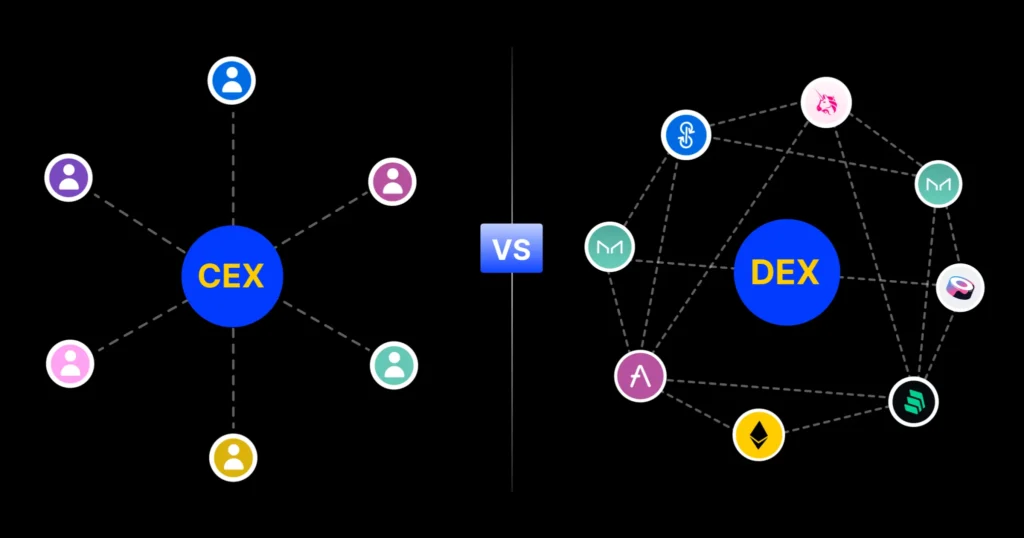
Centralized exchanges operate through a central authority that manages the platform, processes trades, and holds users’ funds. These platforms are known for their user-friendly interfaces, high liquidity, and fast transaction speeds. Features like fiat on-ramps, advanced trading tools, and customer support make CEXs appealing to beginners and experienced traders alike. However, they often require users to trust the platform with their assets, which can raise concerns about security and control.
What Is a Decentralized Exchange (DEX)?
Decentralized exchanges allow peer-to-peer trading without intermediaries, using blockchain technology to facilitate transactions. Traders retain control of their funds through private wallets, enhancing security and privacy. DEXs align with the ethos of decentralization but often face challenges like lower liquidity, slower transaction speeds, and complex interfaces that can deter less experienced users.
The Need for a Hybrid Approach
The limitations of both CEXs and DEXs have driven the demand for platforms that combine their strengths. Traders want the speed and accessibility of centralized systems alongside the security and autonomy of decentralized ones. Smart platforms are addressing this by integrating CEX and DEX functionalities, creating a versatile trading environment that caters to diverse needs.
How Smart Platforms Are Merging CEX and DEX
Streamlined User Experience
One of the key ways platforms are merging CEX and DEX is by offering a unified interface that simplifies trading. For example, BYDFi provides an intuitive platform where users can access both centralized and decentralized trading features. Traders can execute spot trades, futures, or explore on-chain tokens with ease, all within a single ecosystem. This eliminates the need to switch between multiple platforms, saving time and reducing complexity.
Enhanced Liquidity and Market Access
Hybrid platforms leverage the liquidity pools of centralized exchanges while integrating access to decentralized markets. This ensures traders can tap into a wide range of tokens, including trending on-chain assets, without sacrificing liquidity. BYDFi, for instance, has introduced tools like the DEX Screener section, allowing users to track and trade tokens directly from decentralized markets while benefiting from the platform’s robust infrastructure.
Flexible Trading Options
Smart platforms empower traders with diverse trading modes, such as one-way and hedge trading, supported by both CEX and DEX systems. BYDFi’s upgraded bonus mechanism, for example, allows traders to use bonuses to offset margin and trading fees in both trading modes, enhancing cost-efficiency. This flexibility caters to different trading strategies, from short-term speculation to long-term holding.
Security and Control
By integrating DEX features, hybrid platforms allow traders to retain control of their assets through non-custodial wallets while still accessing CEX tools. BYDFi emphasizes secure trading environments, offering robust protocols to protect user transactions without overpromising on security guarantees. This balance ensures traders feel confident while maintaining autonomy over their funds.
Smart Address Insights for Informed Trading
Advanced platforms provide tools like Smart Address Insights to help traders make data-driven decisions. These features analyze on-chain data, wallet activities, and market trends, offering valuable insights into token performance and trading opportunities. BYDFi’s integration of such tools enables traders to stay ahead of market movements, whether they’re engaging with centralized or decentralized assets. Smart Address Insights
Benefits of Merging CEX and DEX for Traders
Greater Flexibility
A hybrid platform allows traders to switch between centralized and decentralized trading seamlessly, accommodating various strategies and risk profiles. Whether a trader prefers the speed of a CEX for high-frequency trading or the privacy of a DEX for specific transactions, they can do both on one platform.
Improved Cost Efficiency
By combining liquidity pools and offering incentives like bonuses, hybrid platforms reduce trading costs. Traders can benefit from lower fees and optimized margin usage, as seen in BYDFi’s bonus system, which supports both trading modes.
Enhanced Market Opportunities
Access to both CEX and DEX markets means traders can explore a broader range of assets, from established cryptocurrencies to emerging on-chain tokens. This diversity opens up new opportunities for portfolio growth and risk diversification.
User Empowerment Through Education
Smart platforms often provide educational resources to help traders navigate the complexities of hybrid trading. BYDFi, for example, offers guides and tools to help users understand both centralized and decentralized markets, empowering them to make informed decisions.
Challenges and Considerations
Regulatory Compliance
Hybrid platforms must navigate complex regulatory landscapes, as CEXs often face stricter oversight than DEXs. Platforms like BYDFi address this by implementing robust Know Your Customer (KYC) processes where required, ensuring compliance without compromising user experience.
Learning Curve
While hybrid platforms aim to simplify trading, the combination of CEX and DEX features can be overwhelming for beginners. Platforms must invest in clear documentation and user support to bridge this gap.
Scalability and Performance
Balancing the speed of centralized systems with the security of decentralized ones requires advanced infrastructure. Smart platforms continuously optimize their systems to ensure fast, reliable trading across both models.
Moox’s Security Features: A Quick Overview
1. End-to-End Encryption
Moox uses end-to-end encryption to ensure that user data and communications remain private and unreadable to unauthorized parties—even the platform itself.
2. Multi-Factor Authentication (MFA)
To prevent unauthorized access, Moox supports multi-factor authentication, requiring users to verify their identity through multiple steps beyond just a password.
3. Real-Time Threat Monitoring
Moox implements real-time monitoring systems to detect suspicious activity, potential data breaches, and unauthorized access attempts.
4. Data Privacy Compliance
The platform complies with data protection regulations such as GDPR and CCPA, ensuring that users’ personal information is handled responsibly and transparently.
5. Secure Cloud Infrastructure
Moox operates on secure, scalable cloud architecture with redundant data backups and built-in DDoS protection to maintain uptime and reliability.
6. Regular Security Audits
Routine third-party security audits help identify vulnerabilities and ensure that Moox’s defenses are up-to-date against evolving cyber threats.
7. Role-Based Access Controls
Only authorized personnel can access sensitive systems and data, thanks to a strict role-based access model.
8. Safe API Integrations
Moox uses encrypted APIs with access tokens and rate-limiting to securely connect with third-party services without compromising security.

FAQs
What is the main difference between a CEX and a DEX?
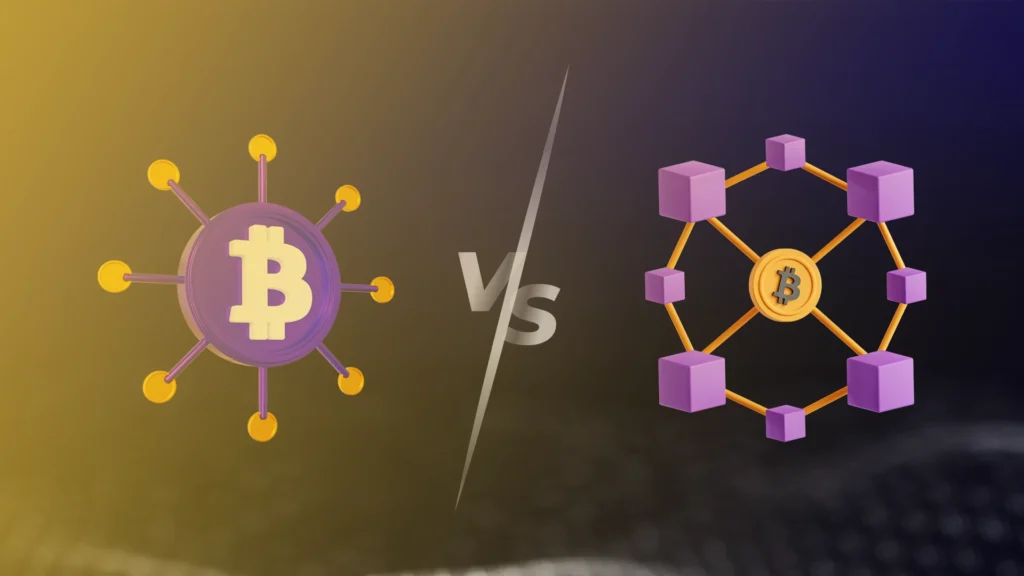
A CEX is managed by a central authority, offering high liquidity and user-friendly interfaces but requiring trust in the platform. A DEX operates without intermediaries, giving users control over their funds but often with lower liquidity and more complex interfaces.
How does BYDFi integrate CEX and DEX features?
BYDFi combines centralized trading tools, like spot and futures trading, with decentralized features, such as access to on-chain tokens via its DEX Screener section. This allows traders to enjoy both efficiency and autonomy within one platform.
Are hybrid platforms secure?
Hybrid platforms like BYDFi implement robust security protocols to protect transactions while offering non-custodial options for decentralized trading, ensuring a balance of safety and user control.
Can beginners use hybrid platforms?
Yes, platforms like BYDFi provide intuitive interfaces and educational resources to help beginners navigate both centralized and decentralized trading environments effectively.
How do Smart Address Insights help traders?
Smart Address Insights analyze on-chain data and market trends, providing traders with actionable information to make informed decisions about their trades. Smart Address Insights
Conclusion
The convergence of centralized and decentralized exchanges represents a significant leap forward in cryptocurrency trading. By merging the efficiency of CEXs with the autonomy of DEXs, smart platforms like BYDFi are empowering traders with unmatched flexibility, security, and market access. Tools like Smart Address Insights further enhance decision-making, enabling traders to navigate both centralized and decentralized markets with confidence. As the crypto industry continues to evolve, hybrid platforms are setting a new standard, offering traders the best of both worlds in a single, seamless experience.