
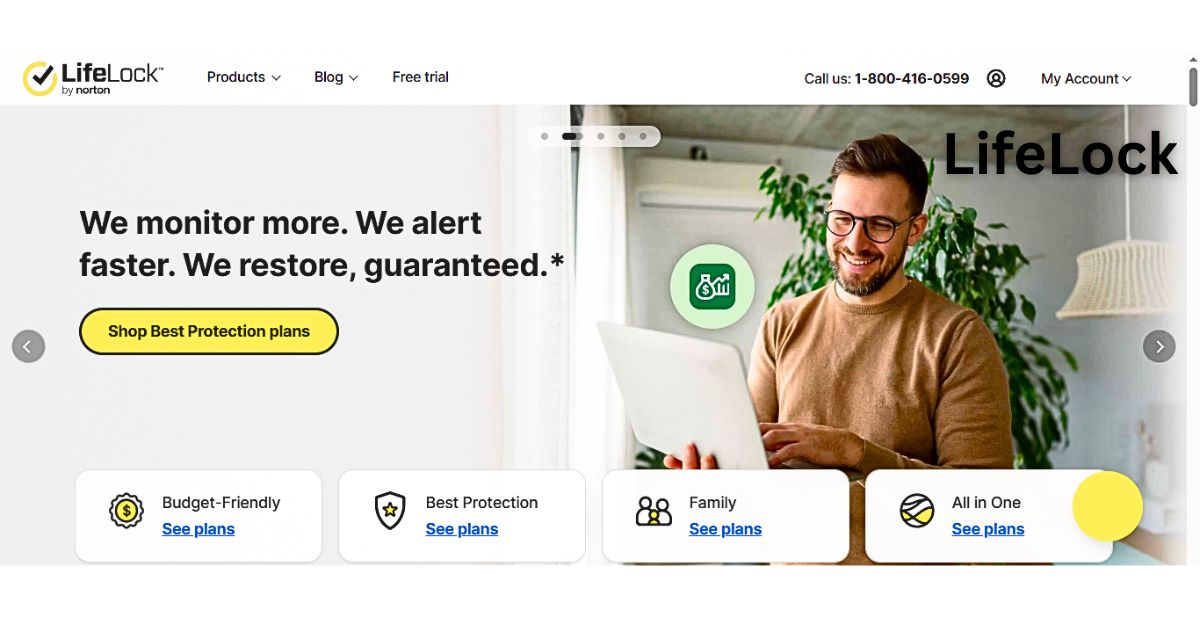
In an increasingly digital world, protecting one’s personal identity has never been more critical. As cybercriminals develop sophisticated tactics to steal sensitive data, individuals and businesses are turning to identity theft protection services. Among the industry leaders is LifeLock, a well-known brand offering a comprehensive suite of features designed to detect and protect against identity fraud. But what exactly is LifeLock, how does it work, and is it worth the investment? This article explores everything you need to know about LifeLock, from its services and features to its pros, cons, and real-world effectiveness.
What Is LifeLock?
LifeLock is a U.S.-based identity theft protection company founded in 2005 and acquired by NortonLifeLock (now Gen Digital) in 2017. It provides tools and services designed to monitor suspicious activity related to your personal identity and financial data, alert users to potential threats, and offer recovery support in case identity theft occurs. Unlike traditional antivirus software, LifeLock doesn’t just protect your devices , it protects your identity, including your Social Security number, financial accounts, credit files, and online activity.
Why Identity Theft Protection Matters
According to the Federal Trade Commission (FTC), millions of Americans fall victim to identity theft each year, with damages ranging from unauthorized credit card charges to full-blown account takeovers and tax fraud. Identity theft can lead to:
-
Damaged credit scores
-
Financial loss
-
Legal complications
-
Emotional stress
-
Difficulty obtaining loans or employment
That’s where LifeLock comes into play. It acts as a digital guardian, monitoring your personal information and alerting you when something unusual is detected.
Key Features of LifeLock
LifeLock offers multiple plans, each with increasing levels of protection. Here’s a breakdown of the core features:
Identity Monitoring
LifeLock constantly scans for unauthorized use of your:
-
Social Security Number
-
Name
-
Date of Birth
-
Email addresses
-
Bank accounts
-
Phone numbers
-
Home address
It checks data sources like black market websites, file-sharing networks, and public records to flag suspicious activity.
Credit Monitoring
Depending on the plan, LifeLock offers monitoring from one or all three major credit bureaus (Experian, Equifax, and TransUnion). This feature helps detect:
-
Hard inquiries
-
New credit accounts
-
Changes to your credit report
If someone tries to open a credit card in your name, you’ll be alerted quickly.
Alerts and Notifications
When LifeLock detects suspicious activity, you receive instant alerts via:
-
Email
-
Text message
-
Phone call
-
Mobile app notification
This real-time alert system is crucial for early detection.
Dark Web Monitoring
LifeLock scans the dark web , the hidden parts of the internet used by hackers , for your personal data, such as:
-
Social Security Numbers
-
Medical ID numbers
-
Driver’s license numbers
-
Bank account details
-
Email credentials
If your information is found, you’ll be notified so you can take action immediately.
Identity Restoration Support
If your identity is compromised, LifeLock provides U.S.-based Identity Restoration Specialists who assist you throughout the process of recovery, including:
-
Filing disputes
-
Closing fraudulent accounts
-
Communicating with credit bureaus and financial institutions
Million-Dollar Protection Package
LifeLock offers a reimbursement policy for stolen funds and personal expenses related to identity theft:
-
Up to $1 million in coverage for lawyers and experts
-
Up to $25,000 to $1 million in stolen funds reimbursement (depending on your plan)
Credit Lock and Freeze Services
Higher-tier plans let you lock your credit file, preventing unauthorized lenders from accessing your credit report and opening new accounts.
Transaction Monitoring
Some plans include monitoring of:
-
Bank and credit card transactions
-
Alerts for large or unusual purchases
-
Potential fraudulent activity in financial accounts
LifeLock Plans and Pricing
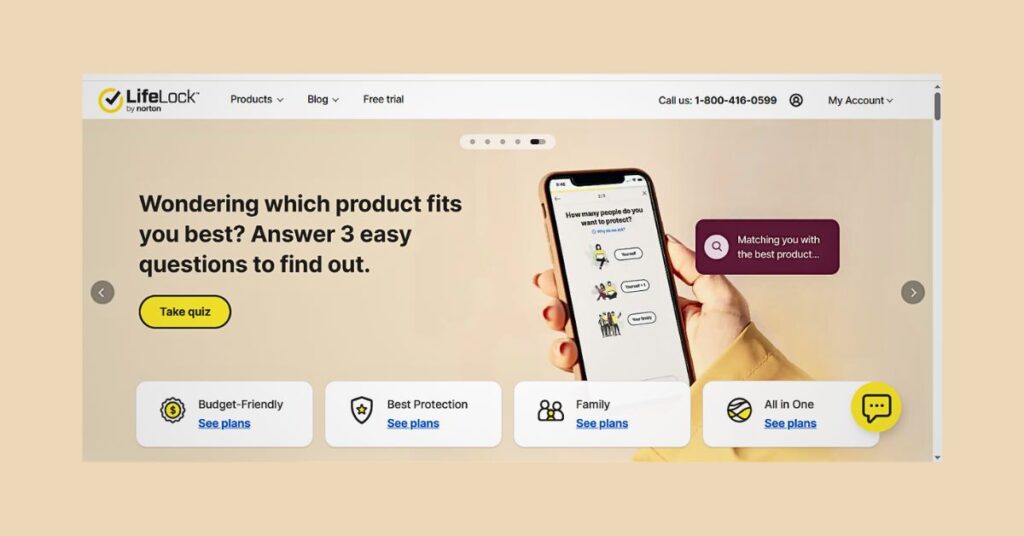
LifeLock offers different tiers, allowing users to choose a plan based on their level of risk tolerance and financial needs.
Plan |
Price (Monthly) |
Features |
|---|---|---|
Standard |
~$9.99 |
Identity & dark web monitoring, 1-bureau credit monitoring, stolen fund reimbursement up to $25K |
Select |
~$11.99 |
Adds bank & credit activity alerts, breach notifications |
Advantage |
~$19.99 |
1-bureau credit report and score, up to $100K stolen funds coverage |
Ultimate Plus |
~$29.99 |
3-bureau monitoring, credit score tracking, up to $1M stolen funds reimbursement, investment account alerts |
Note: Prices may vary due to promotions or regional differences.
Pros of Using LifeLock
Comprehensive Monitoring
LifeLock scans a broad array of data sources — from the dark web to credit agencies — giving you a 360-degree view of your identity’s safety.
Real-Time Alerts
Immediate alerts empower you to take action quickly before damage spirals out of control.
Identity Restoration Support
Professional restoration assistance reduces the emotional and logistical stress of resolving identity theft on your own.
Financial Protection
The million-dollar protection package offers peace of mind, especially for individuals at high risk of identity theft.
Ease of Use
LifeLock’s user-friendly mobile app and dashboard make it easy to monitor alerts, track your credit score, and manage your account.
Cons of Using LifeLock
Costly Compared to Competitors
LifeLock tends to be more expensive than some alternatives like IdentityForce, PrivacyGuard, or Credit Karma (which is free for basic monitoring).
Limited Features in Lower-Tier Plans
The more affordable plans offer limited coverage — for instance, only 1-bureau credit monitoring and lower reimbursement limits.
History of FTC Violations
In 2010 and 2015, LifeLock faced legal action from the FTC for deceptive advertising and failing to secure customer data. While they have since improved their practices, the history may concern some users.
No Antivirus in Standalone Plans
If you don’t pair LifeLock with Norton 360, you miss out on virus and malware protection — a crucial part of holistic digital safety.
Who Should Use LifeLock?
Frequent Online Shoppers
Your payment information is constantly exposed to potential threats.
High Net-Worth Individuals
If you have substantial financial accounts, investment portfolios, or business assets, identity theft could result in catastrophic losses.
Senior Citizens
Elderly people are frequent targets of scams and fraud schemes.
Parents
LifeLock offers family plans to help protect your children’s Social Security numbers from being stolen and used for fraudulent accounts.
Victims of Past Identity Theft
If your information has already been exposed, ongoing monitoring is crucial.
LifeLock vs. Other Identity Theft Protection Services
LifeLock vs. IdentityForce
-
IdentityForce is slightly more affordable and includes more robust social media monitoring.
-
LifeLock wins in terms of insurance coverage and brand recognition.
LifeLock vs. Aura
-
Aura offers family-focused features, VPN, antivirus, and a user-friendly interface.
-
LifeLock integrates better with Norton for existing users.
LifeLock vs. Experian IdentityWorks
-
IdentityWorks is tied directly to Experian, providing excellent credit tools.
-
LifeLock offers more comprehensive dark web and financial account monitoring.
LifeLock and Norton 360: A Powerful Combo
Many users choose to bundle LifeLock with Norton 360, which includes:
-
Real-time antivirus protection
-
Secure VPN
-
Password manager
-
Safe browsing tools
This combination ensures both your devices and identity are protected, making it a one-stop solution for online safety.
Customer Reviews and Trustpilot Ratings
As of mid-2025, LifeLock holds a Trustpilot rating of 4.0/5, with thousands of reviews. Here’s what customers often praise — and criticize:
Positive Feedback:
-
“Saved me thousands by catching fraud early.”
-
“Excellent customer support and easy to use.”
Common Complaints:
-
“Too many notifications.”
-
“Price increases after the first year.”
While not perfect, most reviews suggest that LifeLock performs well when it counts — especially in identity restoration cases.
Is LifeLock Worth It?
Whether LifeLock is worth it depends on your personal risk level, financial situation, and how much peace of mind you’re willing to invest in.
Worth It If:
-
You’ve been a victim of identity theft
-
You handle sensitive financial transactions regularly
-
You want an all-in-one solution with expert support
May Not Be Worth It If:
-
You already use multiple free monitoring tools
-
You have minimal online presence or financial exposure
-
You prefer budget-friendly or DIY protection methods
Tips to Maximize LifeLock’s Benefits
-
Enable all alert channels (email, SMS, app)
-
Use LifeLock’s credit locking tool to prevent new accounts
-
Pair it with Norton antivirus for complete coverage
-
Monitor your bank and credit accounts manually too
-
Educate your family members on identity theft best practices
Conclusion
In a digital world where identity theft is a growing threat, LifeLock provides a strong line of defense. With features like real-time alerts, dark web monitoring, and expert recovery support, it empowers users to act swiftly when their information is at risk. While it comes at a higher price than some competitors, LifeLock’s reputation, comprehensive coverage, and million-dollar protection package make it a worthy investment for individuals serious about protecting their identity. Bottom Line: If you value peace of mind and want a proactive approach to digital safety, LifeLock is a top-tier choice in the identity theft protection space.
