


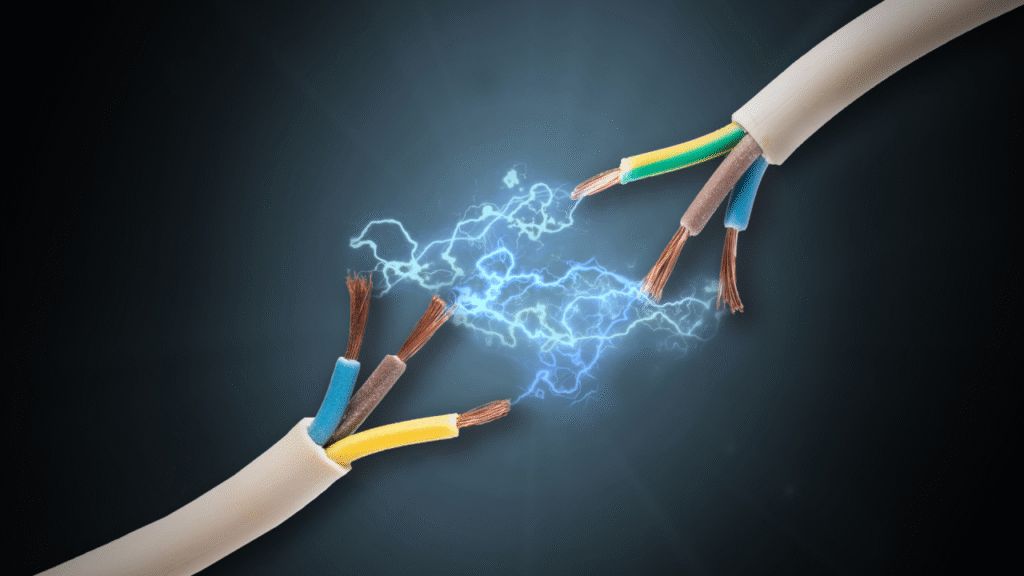
When it comes to innovation in high-temperature industries, most attention goes to machinery, sensors or advanced control systems. Yet behind these technologies lies something less visible but equally vital: cables. More specifically, the insulation that protects them. It is a technical detail that often escapes notice until something overheats, fails or sparks unexpectedly.
Why insulation plays a bigger role than expected
In demanding environments such as aerospace, metallurgy or chemical processing, temperature is only one of many challenges. These settings often involve intense vibration, chemical exposure, pressure and thermal cycling. In such conditions, insulation is not just a protective layer, but the foundation of long-term performance.
It prevents signal disruption, protects workers from electric hazards and helps maintain system integrity. A cable is only as strong as its weakest layer. Without the right insulation, even the best-engineered systems can fail at the worst possible moment.
This is why companies like Kamet Trading bv, which specialize in high-performance thermal and sensor technologies, place significant emphasis on the science and reliability of insulation in extreme applications.
Materials built to endure the extreme
Mineral insulated cables are among the most reliable solutions for extreme heat. These cables often use a metal sheath filled with compressed magnesium oxide, which combines excellent thermal stability with strong electrical resistance. They are used in nuclear plants, furnaces, offshore rigs and other settings where other cables would degrade within hours.
Within this category, industrial heating cables form a core component for safe and consistent operation. These cables are engineered to withstand not just heat, but also mechanical stress, corrosive substances and fluctuating thermal loads, all while maintaining precise performance over time.
Thermal cycling: the silent threat
Many cables are not exposed to constant heat. Instead, they face daily cycles of heating up and cooling down. This repeated expansion and contraction can slowly weaken insulation. Small cracks may form, invisible at first, but eventually they allow moisture or contaminants to seep in.
Once compromised, the insulation cannot guarantee performance. This may result in electrical faults, inaccurate readings or short circuits. For industries where downtime means loss of productivity or safety risks, this is simply unacceptable.
Signal accuracy depends on insulation quality
In areas where data integrity is essential, such as labs or control systems, cable insulation also plays a direct role in maintaining accuracy. Poor-quality insulation can introduce electromagnetic interference, especially over time. This type of noise may seem minor but can cause real issues when precision is required.
Sustainability and innovation in insulation
Modern insulation is evolving beyond function alone. Environmental impact is becoming an important factor in material selection. Engineers are looking at recyclable materials, cleaner production methods and insulation types with lower emissions. Still, function remains the top priority. A cable that fails in a hazardous setting causes more harm than good intentions can justify. The real innovation lies in combining performance with sustainability, without compromising either.
The invisible layer that holds everything together
Cable insulation rarely gets the spotlight. It is not the most glamorous topic in engineering, yet it is one of the most important. It protects systems from heat, corrosion and failure and ensures signals stay clean and equipment stays online. For companies working at the edge of what is physically possible, such as in aerospace or energy, the choice of insulation may define the boundary between innovation and disaster. That is why the science behind cable insulation deserves more attention, more research and more respect.
So next time you pass a cable running into a control panel or across a factory floor, take a moment to consider what is wrapped around it. Because in harsh environments, that simple layer might be the most important one of all.