


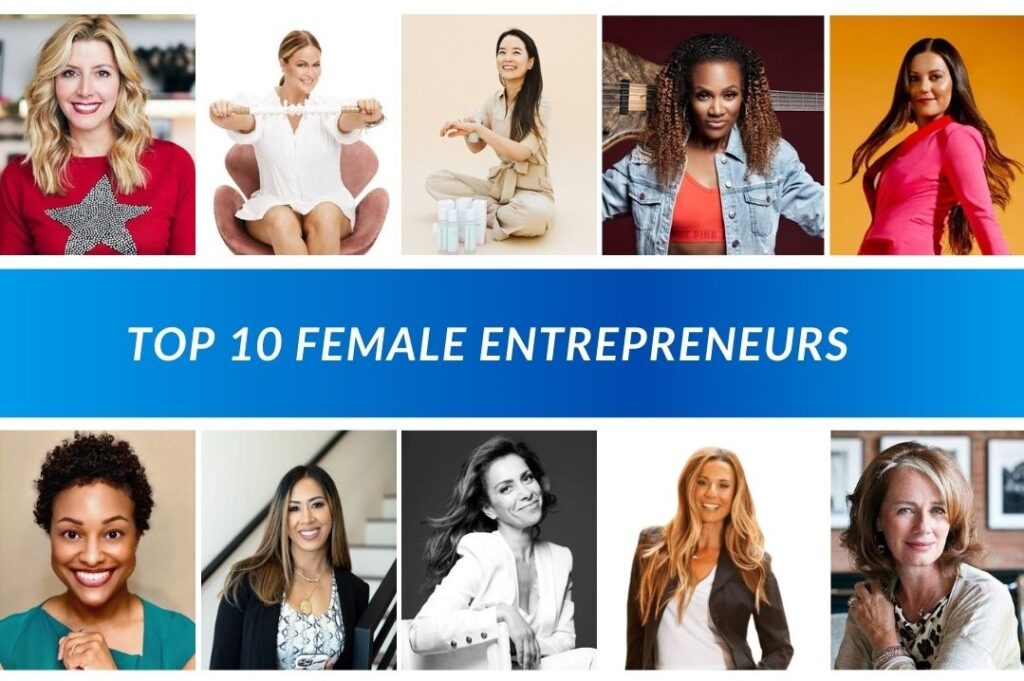
For a long time, the startup world’s biggest success stories were dominated by male founders. But that picture has changed significantly over the past two decades. Female-founded companies now regularly reach valuations in the hundreds of millions and even billions of dollars, often starting with nothing more than a small personal investment and a strong idea. In this article, we’ll look at ten female founders who built major companies from scratch, what their journeys looked like, and what lessons other entrepreneurs can take from their success, all explained in simple, easy words.
Why Female Founders Deserve More Spotlight
Despite building companies that consistently perform well, female founders still receive a small fraction of overall venture capital funding compared to their male counterparts. Yet research has repeatedly shown that female-founded startups tend to be capital-efficient, often generating strong revenue relative to the funding they receive. In other words, women founders have frequently done more with less, making their success stories especially worth highlighting.
Let’s look at ten founders who turned an idea into a major business, often against real financial and industry-wide obstacles.
1. Sara Blakely – Spanx
Sara Blakely is one of the most well-known self-made female entrepreneurs in the US. She started Spanx in 2000 with around $5,000 in personal savings and a simple idea: footless pantyhose that could smooth out the appearance of clothing. Blakely faced repeated rejections from manufacturers before finally finding one willing to produce her product. She handled everything herself in the early days, from patenting the idea to personally pitching retailers. Spanx eventually grew into a billion-dollar shapewear brand, and Blakely became widely recognized as one of the youngest self-made female billionaires, built entirely without outside investment in its early years.
2. Whitney Wolfe Herd – Bumble
Whitney Wolfe Herd co-founded Tinder before going on to found Bumble in 2014, a dating app built around a simple but distinctive concept: women send the first message. The idea was designed to shift the dynamic of online dating toward a safer, more respectful experience. Bumble grew quickly, expanding beyond dating into friendship and professional networking features. Wolfe Herd later led Bumble to a public listing on the stock market, becoming one of the youngest female CEOs to take a company public, and building a business valued in the billions.
3. Melanie Perkins – Canva
Melanie Perkins co-founded Canva in Australia in 2013, after reportedly being turned down by more than a hundred investors before finally securing funding. Canva was built around a simple mission: make graphic design accessible to everyone, not just trained designers. The platform’s drag-and-drop simplicity helped it grow rapidly among small businesses, students, and marketers who needed professional-looking designs without hiring a designer. Canva eventually became one of the most valuable startups founded by a woman, reaching a valuation in the billions of dollars.
4. Katrina Lake – Stitch Fix
Katrina Lake founded Stitch Fix in 2011, combining online retail with a personal styling service powered partly by data and algorithms. Customers would receive curated clothing selections based on their preferences, with the company using customer feedback to continually refine future picks. Lake started the company from her apartment, and it eventually grew into a publicly traded company, making her one of the youngest female CEOs to lead a company through an IPO at the time.
5. Jennifer Hyman – Rent the Runway
Jennifer Hyman co-founded Rent the Runway in 2009, built around the idea of renting designer clothing rather than buying it outright, a concept that was fairly unusual in retail at the time. The idea faced plenty of early skepticism, since renting clothes wasn’t yet a mainstream habit. Hyman pushed through by proving demand with real customer data and steadily building trust in the model. Rent the Runway eventually grew into a major player in the fashion rental space and went public, helping normalize the now much more common “fashion as a service” business model.
6. Sophia Amoruso – Nasty Gal
Sophia Amoruso started Nasty Gal as an eBay store in 2006, selling vintage clothing she personally sourced and styled. What began as a small side project grew rapidly through social media and a strong, distinct brand voice that resonated with young shoppers. At its peak, Nasty Gal was valued at several hundred million dollars, and Amoruso became a widely recognized example of building a brand from a single online storefront. While the company later faced significant financial struggles, Amoruso’s early rise remains a notable example of turning a niche online store into a major retail brand from virtually nothing.
7. Anne Wojcicki – 23andMe
Anne Wojcicki co-founded 23andMe in 2006, aiming to make personal genetic testing accessible directly to consumers rather than only through medical institutions. The idea combined healthcare, technology, and consumer product design in a way that hadn’t really been done before at scale. Despite facing regulatory hurdles along the way, including a period where the FDA restricted some of the company’s health-related reporting, Wojcicki kept pushing the company forward, eventually helping build 23andMe into a publicly traded company and a recognizable name in consumer genetics.
8. Emily Weiss – Glossier
Emily Weiss started as a beauty blogger before founding Glossier in 2014, building the brand directly from the community she had cultivated through her blog, Into The Gloss. Rather than relying purely on traditional advertising, Weiss used direct customer feedback and social media engagement to shape product development, effectively turning her audience into active collaborators. Glossier grew into a major beauty brand valued in the billions, often cited as an early, successful example of a genuinely community-built consumer brand.
9. Julia Hartz – Eventbrite
Julia Hartz co-founded Eventbrite in 2006, building a self-service platform that made it easier for event organizers of all sizes to create, promote, and sell tickets to their events online. The platform grew steadily by focusing on smaller, independent event creators who previously had limited affordable ticketing options. Hartz eventually became CEO and led Eventbrite through its public listing, turning an idea aimed at simplifying event ticketing into a globally used platform.
10. Daphne Koller – Coursera
Daphne Koller, a Stanford computer science professor, co-founded Coursera in 2012 alongside Andrew Ng, aiming to bring university-level courses online and make them accessible to a much broader audience. The platform partnered with universities and institutions to offer courses at scale, tapping into growing global demand for flexible, affordable education. Coursera eventually became one of the most recognized names in online education, reaching a billion-dollar valuation and later going public, built on the foundation of Koller’s academic background combined with a genuinely scalable business model.

Common Themes Among These Founders
Looking across these ten stories, a few consistent patterns stand out:
1. They Started With a Genuine Problem, Not Just a Trend
Each of these founders built a company around a real problem they personally understood, whether it was uncomfortable shapewear, unsafe online dating dynamics, or inaccessible graphic design tools. Solving a real, felt problem tends to create stronger, more resilient businesses than simply chasing a trending idea.
2. They Faced Repeated Rejection Before Success
Nearly every founder on this list faced significant rejection early on, whether from manufacturers, investors, or skeptical industries. Persistence through that rejection was a defining factor in their eventual success, not a lack of obstacles in the first place.
3. They Started Lean
Many of these companies began with small personal investments, side projects, or bootstrapped beginnings rather than large outside funding from day one. This forced early resourcefulness that often shaped stronger, more disciplined business practices later on.
4. They Built Strong, Direct Relationships With Customers
Founders like Emily Weiss and Jennifer Hyman leaned heavily on direct customer feedback to shape their products, rather than relying purely on traditional market research. This close connection to real customer needs helped their companies adapt and grow more effectively.
5. They Pushed Into Industries With Real Barriers
Whether it was Sara Blakely navigating manufacturing gatekeepers or Anne Wojcicki working through healthcare regulation, many of these founders built their companies in industries that weren’t naturally welcoming to outsiders, requiring extra persistence to break through.
Lessons for Aspiring Entrepreneurs
Whether you’re a woman building your first startup or simply looking for inspiration, a few practical takeaways emerge from these stories:
- Solve a problem you deeply understand. The strongest businesses often come from founders who have personally experienced the problem they’re solving.
- Expect rejection, and don’t treat it as a final answer. Nearly every founder here heard “no” multiple times before finding the right opportunity or partner.
- Start small if you need to. A lack of large funding doesn’t have to be a dealbreaker. Many successful companies started with modest personal investments.
- Stay close to your customers. Direct feedback loops can shape a stronger product than assumptions made from a distance.
- Persistence matters more than a perfect first attempt. Nearly all of these founders adjusted their approach along the way rather than succeeding with their very first version of the idea.

Final Thoughts
These ten founders show that building a major company from scratch isn’t about having a perfect starting point, it’s about solving a real problem, pushing through rejection, and staying closely connected to the people you’re building for. From shapewear to online education, these women built businesses across wildly different industries, but their underlying journeys share a lot in common: resourcefulness, persistence, and a genuine belief in the problem they set out to solve.
FAQs (Frequently Asked Questions)
1. Did all of these founders start their companies without any outside funding? Not all of them. Some, like Sara Blakely, started with personal savings and no outside investment initially, while others, like Melanie Perkins with Canva, eventually raised significant venture funding after facing early rejection from investors.
2. Which of these companies became publicly traded? Several did, including Bumble, Stitch Fix, Rent the Runway, Eventbrite, and Coursera, all of which went public after years of growth under their founders’ leadership.
3. What industries do these female founders represent? Their companies span a wide range of industries, including fashion, beauty, dating and social apps, design software, healthcare technology, and online education.
4. Why do female-founded startups receive less funding despite strong performance? This is a well-documented gap in the startup world, often linked to broader systemic and historical biases in venture capital funding, rather than a reflection of the actual performance or potential of female-led companies.
5. What do most of these founders have in common? Common themes include solving a problem they personally understood, starting relatively lean, facing repeated rejection before success, and staying closely connected to customer feedback throughout their growth.
6. Are any of these companies still led by their original founders? Some are, while others have seen leadership changes over time as companies evolve, go public, or navigate new phases of growth. Leadership status can also change over time, so it’s worth checking current details for the most up-to-date information.
7. Can these lessons apply to small businesses, not just big startups? Yes, principles like understanding a real problem, staying close to customers, and starting lean apply just as well to small, local businesses as they do to large venture-backed startups.
8. What’s the biggest takeaway from these founders’ stories? Persistence through rejection stands out as one of the most consistent themes, showing that early “no’s” don’t have to define the outcome of a strong idea pursued with determination.