

The monsoon season is refreshing and magical. After the scorching summer heat, the cool showers bring relief, greenery, and fresh energy. However, along with its charm, the monsoon also brings a fair share of health challenges such as infections, digestive issues, water retention, and increased cravings for fried foods. For people on a weight loss journey, this season can feel tricky. While the rains may inspire indulgence in fried snacks like pakoras, samosas, and bhajiyas, such choices often derail weight goals.
This is where Wellhealthorganic.com comes in. Known for its practical health insights, Wellhealthorganic emphasizes the importance of adopting a balanced, immunity-boosting monsoon diet that supports weight management while protecting your body from seasonal health risks. In this guide, we’ll explore effective monsoon diet tips for weight loss, foods to eat and avoid, lifestyle adjustments, and a sample meal plan designed to help you stay fit during the rainy season.
Monsoon Diet Tips for Weight Loss
1. Choose Light and Digestible Foods
Heavy meals during monsoon can lead to indigestion. Instead, include:
-
Steamed vegetables
-
Moong dal khichdi
-
Oats and porridge
-
Clear soups with vegetables or lentils
Light foods are easier to digest, reduce bloating, and maintain energy levels.
2. Boost Immunity with Seasonal Fruits
Fruits play a vital role in monsoon health:
-
Best fruits: Apples, pears, papayas, cherries, and pomegranate.
-
Fruits to avoid: Watermelon and muskmelon (risk of water contamination).
-
Citrus fruits: Lemons, oranges, and grapefruits strengthen immunity with Vitamin C.
Eating fruits rich in antioxidants helps fight infections and aids weight loss.
3. Stay Hydrated
Dehydration is common in monsoon, even when you don’t feel thirsty.
-
Drink 8–10 glasses of boiled or filtered water daily.
-
Replace sugary sodas with herbal teas and infused warm water.
-
Coconut water and lemon water are excellent natural hydrators.
Proper hydration prevents water retention, flushes toxins, and supports fat metabolism.
4. Avoid Fried and Oily Foods
As tempting as pakoras and samosas are during rains, they:
-
Slow down digestion
-
Cause bloating and acidity
-
Add excessive calories
Instead, satisfy cravings with:
-
Air-fried snacks
-
Roasted corn on the cob
-
Steamed sprouts with spices
5. Eat More Fiber
Fiber-rich foods are your best allies during monsoon weight loss:
-
Oats, brown rice, and whole wheat
-
Vegetables like gourds, carrots, beans
-
Fruits like apple and pear
Fiber keeps you full longer, supports digestion, and reduces overeating.
6. Use Spices for Metabolism
Certain spices are immunity boosters and fat burners:
-
Turmeric: Anti-inflammatory and detoxifying
-
Ginger: Improves digestion and burns calories
-
Black pepper: Enhances metabolism
-
Garlic: Boosts immunity and reduces fat storage
7. Limit Salt Intake
Excess salt leads to water retention, especially in humid weather.
-
Use rock salt or Himalayan pink salt in moderation.
-
Avoid packaged foods high in sodium.
8. Include Probiotics
Gut health is essential during monsoon. Probiotics improve digestion and immunity.
-
Curd
-
Buttermilk
-
Fermented foods like idli and dosa
9. Opt for Warm Beverages
Skip cold drinks and enjoy:
-
Herbal teas (ginger, tulsi, chamomile)
-
Green tea for weight loss
-
Warm turmeric milk for immunity
10. Practice Portion Control
Instead of 3 heavy meals, go for 4–5 smaller meals. This:
-
Maintains energy
-
Prevents overeating
-
Improves digestion
Foods to Eat During Monsoon
-
Vegetables: Bottle gourd, ridge gourd, bitter gourd, carrots, beans, and boiled potatoes.
-
Fruits: Apples, pears, papayas, plums, and cherries.
-
Proteins: Moong dal, lentils, beans, grilled chicken, and eggs.
-
Snacks: Roasted makhana, nuts, and seeds.
Foods to Avoid in Monsoon
-
Street food (increases infection risks)
-
Leafy vegetables (unless well-washed and cooked)
-
Fried pakoras, samosas, and heavy curries
-
Cold drinks, ice creams, and sugary sodas
Lifestyle Habits Along with Diet
-
Exercise Indoors
-
Try yoga, pilates, bodyweight exercises, or online workout classes.
-
-
Get Quality Sleep
-
7–8 hours of rest helps regulate hormones and metabolism.
-
-
Stress Management
-
Stress leads to emotional eating. Practice meditation or deep breathing.
-
-
Maintain Hygiene
-
Wash fruits/vegetables properly and avoid raw street food.
-
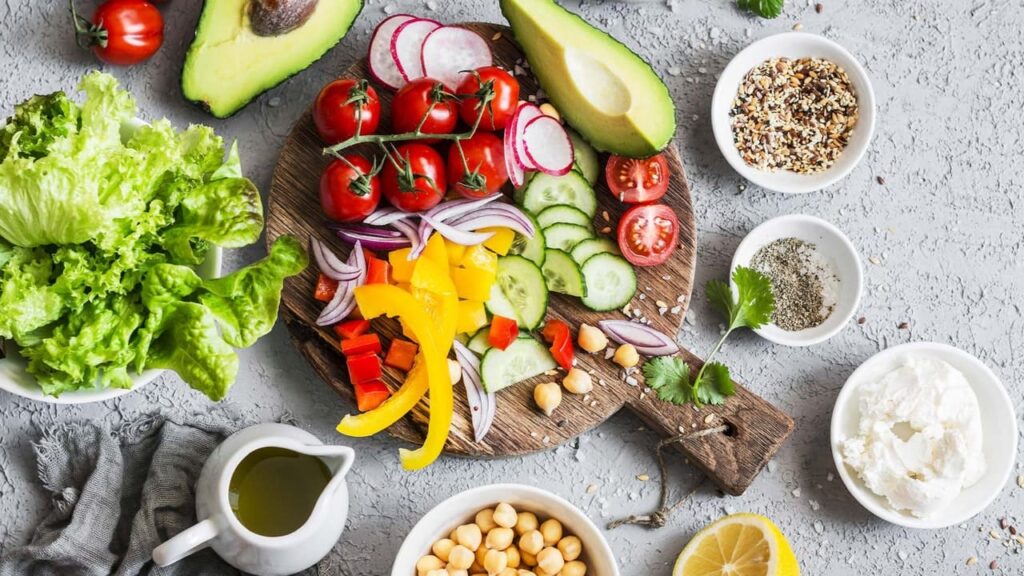
Sample 1-Day Monsoon Weight Loss Meal Plan
-
Morning: Warm water with lemon and honey
-
Breakfast: Oats porridge with apple slices
-
Mid-morning: Herbal tea + roasted makhana
-
Lunch: Moong dal khichdi + bottle gourd curry + salad
-
Evening Snack: Green tea + roasted corn cob
-
Dinner: Clear vegetable soup + grilled chicken/fish/tofu
-
Before Bed: Warm turmeric milk
This plan balances nutrition, supports immunity, and aids weight loss effectively.
Scientific Backing Behind Monsoon Diet
Nutritionists emphasize that monsoon diets should focus on:
-
Light meals for better digestion.
-
Antioxidant-rich fruits and vegetables to fight infections.
-
Low oil and spice cooking methods to avoid bloating.
-
Adequate hydration to regulate metabolism.
Studies also show that seasonal eating (consuming local fruits and vegetables) improves immunity and maintains a healthy gut.
Why Weight Loss Becomes Challenging During Monsoon
Many people struggle to shed extra weight in the rainy season, and for good reason:
-
Lower Immunity
The rainy season is a breeding ground for infections like flu, colds, and stomach illnesses. A weakened immune system impacts energy levels and slows metabolism, making weight loss difficult. -
Increased Cravings
Humidity and cool weather often trigger cravings for fried, oily snacks. These foods are calorie-dense and difficult to digest, leading to weight gain. -
Water Retention
High atmospheric humidity causes the body to retain fluids, leading to bloating and swelling, which can be mistaken for fat gain. -
Digestive Issues
Monsoon weather slows down the digestive system. Foods that are heavy, oily, or contaminated can lead to indigestion, food poisoning, or diarrhea. -
Reduced Physical Activity
Rainy weather discourages outdoor activities like walking, jogging, or cycling. Reduced activity levels impact calorie burning.
Understanding these challenges helps us plan a targeted diet and lifestyle approach to continue losing weight safely during monsoon.
Conclusion
The monsoon season can either disrupt or strengthen your weight loss journey. By following the Wellhealthorganic.com monsoon diet tips, you can make the rains your ally instead of your enemy. Choose light, fiber-rich, immunity-boosting foods, avoid fried temptations, stay hydrated, and maintain a disciplined lifestyle.
Remember, weight loss is not about strict restrictions—it’s about mindful eating, balance, and consistency. With the right diet and habits, you can enjoy the rains without compromising your health and fitness goals.
FAQ:
Q1. Why is weight loss difficult during monsoon?
During monsoon, humidity slows down digestion, reduces physical activity, and increases cravings for fried foods. Water retention is also common, making weight loss challenging.
Q2. What are the best foods to eat in monsoon for weight loss?
Opt for light and easily digestible foods like moong dal khichdi, oats, steamed vegetables, papaya, apples, pears, and herbal teas. These support digestion and keep you full without adding excess calories.
Q3. Which foods should be avoided in the rainy season?
Avoid street food, fried snacks (pakoras, samosas), leafy vegetables (unless properly washed and cooked), and cold drinks or ice creams, as they may cause infections and slow digestion.
Q4. Is it safe to eat leafy vegetables during monsoon?
Yes, but only if they are thoroughly washed, disinfected, and properly cooked. Otherwise, they may carry germs due to water contamination.
Q5. How can I control cravings for fried snacks in rainy weather?
Replace fried snacks with healthier alternatives like air-fried veggies, roasted corn, boiled sprouts, or makhana (fox nuts). These satisfy cravings without excessive calories.
Q6. Can drinking herbal teas help with weight loss during monsoon?
Yes. Herbal teas like ginger, tulsi, and green tea improve digestion, boost metabolism, and strengthen immunity, making them excellent choices during monsoon.
Q7. How much water should I drink during monsoon?
Drink at least 8–10 glasses of clean, boiled, or filtered water daily. Warm water or infused water with lemon/ginger is especially beneficial for digestion and weight loss.
Q8. What kind of exercise is best in monsoon for weight management?
Indoor workouts like yoga, pilates, bodyweight exercises, or skipping are ideal since outdoor activity may be restricted due to rain.
Q9. Is a monsoon diet suitable for everyone?
Yes, but people with medical conditions such as diabetes, hypertension, or allergies should consult a doctor or nutritionist for a personalized plan.
Q10. How can I stay motivated to follow a weight loss diet during rainy season?
Set small achievable goals, track your meals, plan indoor activities, and focus on immunity-boosting foods. Remind yourself that consistency is key to long-term results.
