



Dark spots, also known as hyperpigmentation, are a common skin concern that affects individuals of all ages. These spots can result from sun exposure, aging, hormonal changes, or acne scars. While numerous cosmetic products claim to reduce dark spots, natural remedies like lemon juice offer a cost-effective and chemical-free alternative. Known for its rich vitamin C content and natural bleaching properties, lemon juice has been a go-to solution for generations.
In this comprehensive article, we will explore the causes of dark spots, the benefits of lemon juice, how to use it effectively, and precautions to take while incorporating this natural remedy into your skincare routine.
Including a table in your article on “Wellhealthorganic.com: Remove Dark Spots on Face with Lemon Juice” can make the information more organized and user-friendly. Below is an example of how you can incorporate a table to summarize key details:
Table: Lemon Juice Remedies for Dark Spots
Remedy |
Ingredients |
Steps to Apply |
Benefits |
Frequency |
|---|---|---|---|---|
Direct Lemon Juice |
Fresh lemon juice |
Apply with a cotton ball directly to the dark spots. Leave for 10–15 minutes, then rinse with lukewarm water. |
Brightens skin and reduces pigmentation. |
2–3 times a week. |
Lemon and Honey Mask |
1 tbsp lemon juice, 1 tbsp honey |
Mix and apply to the face. Let sit for 15–20 minutes before rinsing. |
Soothes and moisturizes while lightening. |
2–3 times a week. |
Lemon and Aloe Vera Gel |
Equal parts lemon juice and aloe |
Mix and apply evenly on dark spots. Rinse after 20 minutes. |
Hydrates and calms sensitive skin. |
3 times a week. |
Lemon and Turmeric Paste |
1 tsp lemon juice, pinch turmeric |
Mix to form a paste. Apply to dark spots, let sit for 15 minutes, and rinse. |
Combats inflammation and lightens spots. |
2 times a week. |
Lemon and Yogurt Mask |
1 tbsp lemon juice, 2 tbsp yogurt |
Mix and apply to the face. Leave on for 15–20 minutes before washing. |
Exfoliates and brightens the skin. |
2–3 times a week. |
Precautions Table
Precaution |
Reason |
|---|---|
Dilute lemon juice for sensitive skin. |
Reduces irritation or redness caused by direct application. |
Avoid sun exposure after application. |
Lemon juice increases photosensitivity, making skin prone to sunburn. |
Perform a patch test. |
Ensures skin compatibility and avoids allergic reactions. |
Do not apply on broken skin. |
Prevents stinging, irritation, or worsening of the condition. |
Moisturize after use. |
Lemon juice can dry out the skin; moisturizing helps retain hydration. |
What Causes Dark Spots on the Face?
Before diving into the remedy, it’s essential to understand the underlying causes of dark spots. Common causes include:
- Sun Exposure
Excessive exposure to ultraviolet (UV) rays triggers melanin production as the skin’s natural defense mechanism, leading to sunspots. - Aging
As we age, melanin production can become uneven, resulting in age spots or liver spots. - Hormonal Changes
Conditions like melasma occur due to hormonal fluctuations during pregnancy or from using birth control pills. - Acne Scars
Post-inflammatory hyperpigmentation often arises after acne or skin injuries heal. - Genetics
Some individuals are genetically predisposed to dark spots. - Medications
Certain medications can increase skin sensitivity to sunlight, causing pigmentation issues. - Pollution
Environmental toxins can damage skin cells and contribute to dark spot formation.
Why Lemon Juice is Effective for Dark Spots
Lemon juice is renowned for its skincare benefits, particularly in treating dark spots. Here’s why it works:
1. High Vitamin C Content
Lemon juice is packed with vitamin C, a potent antioxidant that helps brighten the skin by inhibiting melanin production.
2. Natural Bleaching Properties
The citric acid in lemon juice acts as a mild bleaching agent, gradually lightening dark spots.
3. Exfoliation
The alpha hydroxy acids (AHAs) in lemon juice gently exfoliate the skin, removing dead skin cells and promoting cell turnover.
4. Anti-inflammatory Benefits
Lemon juice’s anti-inflammatory properties can reduce redness and swelling associated with certain skin conditions.
5. Antibacterial Properties
It helps combat acne-causing bacteria, preventing new dark spots from forming.
How to Use Lemon Juice for Dark Spots
Using lemon juice effectively requires proper application and care. Here are some methods to incorporate it into your skincare routine:
1. Direct Application
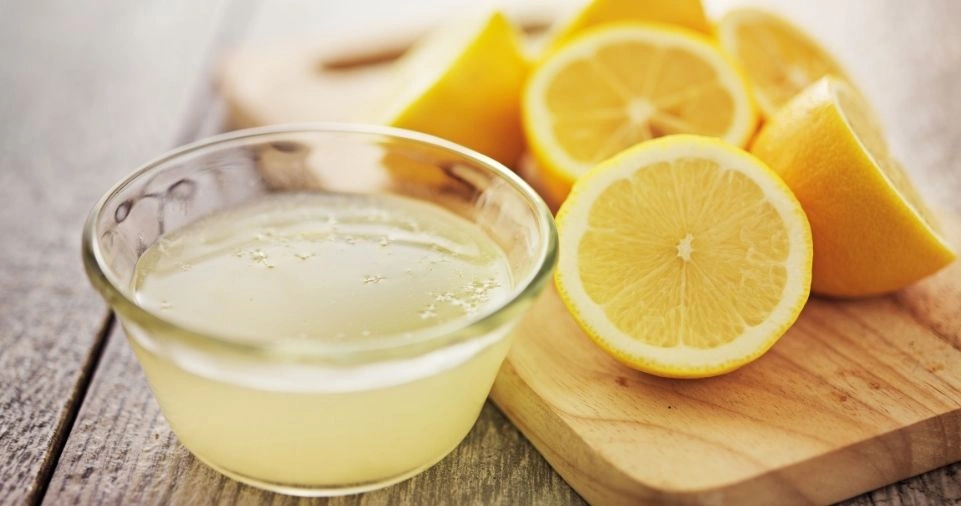
- Squeeze fresh lemon juice into a small bowl.
- Dip a cotton ball into the juice and apply it directly to the dark spots.
- Leave it on for 10–15 minutes, then rinse with lukewarm water.
- Repeat 2–3 times a week.
2. Lemon and Honey Mask
- Mix 1 tablespoon of lemon juice with 1 tablespoon of raw honey.
- Apply the mixture to your face, focusing on the dark spots.
- Leave it on for 15–20 minutes, then rinse with water.
- Honey adds moisture and soothes the skin while enhancing lemon juice’s brightening effects.
3. Lemon and Turmeric Paste
- Combine 1 teaspoon of lemon juice with a pinch of turmeric powder.
- Apply the paste to the affected areas and let it sit for 15 minutes.
- Wash off with lukewarm water.
- Turmeric enhances the anti-inflammatory and brightening properties of lemon juice.
4. Lemon and Aloe Vera Gel
- Mix equal parts lemon juice and aloe vera gel.
- Apply the mixture to your face and leave it on for 20 minutes.
- Rinse with water.
- Aloe vera helps hydrate and soothe the skin while complementing lemon’s brightening effects.
5. Lemon and Yogurt Mask
- Combine 1 tablespoon of lemon juice with 2 tablespoons of plain yogurt.
- Apply the mask evenly across your face.
- Let it sit for 15–20 minutes before rinsing off.
- Yogurt contains lactic acid, which works alongside lemon juice to exfoliate and brighten the skin.
Precautions When Using Lemon Juice on the Skin
While lemon juice offers numerous benefits, it can also cause irritation or sensitivity if not used properly. Here are some precautions to keep in mind:
- Dilute for Sensitive Skin
Always dilute lemon juice with water or other soothing agents like honey or aloe vera, especially if you have sensitive skin. - Patch Test
Perform a patch test on a small area of your skin before applying lemon juice to your face. - Avoid Sun Exposure
Lemon juice can make your skin photosensitive. Apply it in the evening and always use sunscreen during the day. - Don’t Overuse
Overusing lemon juice can lead to dryness or irritation. Stick to 2–3 applications per week. - Avoid Open Wounds
Never apply lemon juice to cuts, scrapes, or open acne lesions, as it can cause stinging and irritation. - Moisturize After Use
Lemon juice can dry out the skin, so follow up with a gentle moisturizer to keep your skin hydrated.

Other Natural Remedies for Dark Spots
While lemon juice is effective, combining it with other natural remedies can amplify its benefits:
- Apple Cider Vinegar
Contains acetic acid, which helps lighten pigmentation. - Potato Juice
Rich in natural bleaching agents, potato juice can reduce dark spots. - Cucumber
Soothes the skin and helps lighten pigmentation over time. - Papaya
Contains enzymes like papain that exfoliate and brighten the skin. - Green Tea Extract
Packed with antioxidants, it can reduce inflammation and promote an even skin tone.
Consistency is Key
Natural remedies like lemon juice require patience and consistency. Results may take weeks to months to become noticeable, depending on the severity of the dark spots and your skin type. Incorporating a healthy skincare routine and protecting your skin from sun damage will yield better and longer-lasting results.
Conclusion
Lemon juice is a powerful, natural remedy for reducing dark spots and achieving a brighter, more even complexion. Its combination of vitamin C, citric acid, and antibacterial properties makes it an excellent choice for tackling hyperpigmentation. However, using it safely and consistently is crucial to avoid irritation or sensitivity.
Pairing lemon juice with other soothing and hydrating ingredients like honey or aloe vera can enhance its benefits. For those looking for a cost-effective and natural solution to dark spots, lemon juice is undoubtedly worth considering.
By committing to a regular routine and protecting your skin from further damage, you can effectively reduce dark spots and enjoy healthier, glowing skin.
FAQ
1. Can lemon juice really remove dark spots?
Yes, lemon juice can help lighten dark spots over time due to its natural bleaching properties and high vitamin C content. However, it requires consistent use and works best on mild pigmentation.
2. How long does it take to see results?
Results can vary depending on the severity of the dark spots and individual skin type. Typically, you may start noticing improvements within 4–6 weeks with regular application.
3. Can I use lemon juice directly on my skin?
While you can apply lemon juice directly, it’s recommended to dilute it with water or mix it with soothing ingredients like honey or aloe vera to avoid irritation, especially if you have sensitive skin.
4. Is lemon juice safe for all skin types?
Lemon juice can be too harsh for sensitive or dry skin, potentially causing redness, irritation, or dryness. Always perform a patch test before using it on your face and dilute it for safety.
5. How often should I apply lemon juice to my face?
For best results, apply lemon juice 2–3 times a week. Overusing it can cause dryness or irritation.
6. Should I apply lemon juice during the day or night?
It’s best to apply lemon juice in the evening. Lemon juice can make your skin photosensitive, so avoid sun exposure after application and always use sunscreen during the day.
7. Can lemon juice make dark spots worse?
If used excessively or without proper precautions, lemon juice can irritate the skin, leading to inflammation that may darken spots further. Always follow proper usage guidelines.
8. Can I use bottled lemon juice instead of fresh lemons?
Fresh lemon juice is recommended as it contains no preservatives and retains the full potency of natural vitamin C and citric acid.
9. Are there any side effects of using lemon juice on the face?
Potential side effects include:
- Skin irritation or redness
- Dryness or flakiness
- Increased sensitivity to sunlight
- Stinging sensation on broken or sensitive skin
10. Can lemon juice remove old or stubborn dark spots?
Lemon juice is most effective on recent or mild dark spots. For older or deeper pigmentation, it may have limited results, and professional treatments might be necessary.
11. What should I do if my skin reacts to lemon juice?
Discontinue use immediately if you experience redness, stinging, or irritation. Apply a soothing product like aloe vera gel and avoid harsh products until your skin calms down.
12. Can I mix lemon juice with other natural ingredients?
Yes, combining lemon juice with ingredients like honey, yogurt, aloe vera, or turmeric can enhance its effectiveness and reduce potential irritation.
13. Will lemon juice help with acne scars?
Lemon juice can help lighten the discoloration left by acne scars, but it does not treat the scars themselves (like pitted or textured scars).
14. Is it safe to apply lemon juice around the eyes?
No, avoid applying lemon juice near the delicate eye area as it can cause stinging and irritation.
15. Can I store leftover lemon juice for future use?
Freshly squeezed lemon juice is most effective. If storing, keep it in an airtight container in the refrigerator for no more than 1–2 days to preserve its potency.
16. What if I don’t see any results?
If you don’t see results after 6–8 weeks, consider trying other natural remedies or consulting a dermatologist for alternative treatments.
17. Is lemon juice effective for melasma?
Lemon juice may help lighten melasma over time, but it’s not a guaranteed solution. Melasma often requires medical treatments like chemical peels or prescription creams for significant improvement.
18. Can I use lemon essential oil instead of lemon juice?
Lemon essential oil is more concentrated and should never be applied directly to the skin without dilution. Use with caution and in conjunction with a carrier oil.
19. What are some alternatives to lemon juice for dark spots?
Other natural remedies include:
- Apple cider vinegar
- Aloe vera
- Potato juice
- Turmeric
- Papaya
20. Can I use lemon juice alongside other skincare products?
Yes, but avoid combining lemon juice with strong exfoliants, retinoids, or acids to prevent over-exfoliation and irritation. Always moisturize after use and apply sunscreen daily.