


Protein is a fundamental building block of life. Whether you’re looking to build muscle, lose fat, support healthy aging, or simply feel fuller longer, protein plays a central role in achieving your health goals.
In 2025, with the rise of clean eating, plant-based lifestyles, and functional nutrition, making smart, organic protein choices has become more important than ever. This is where Wellhealthorganic.com comes in offering a trusted, evidence-based guide to choosing the best protein sources for your unique dietary needs.
What Is Protein, and Why Do You Need It?
Protein is a macronutrient composed of amino acids, which are essential for:
-
Building and repairing tissues
-
Supporting hormones, enzymes, and immune function
-
Maintaining healthy skin, hair, and nails
-
Providing energy (especially when carb intake is low)
How Much Protein Do You Need?
General guidelines suggest:
-
Sedentary adults: 0.8g of protein per kg of body weight
-
Active adults: 1.2–2.0g/kg
-
Athletes/bodybuilders: 1.6–2.5g/kg
-
Elderly: At least 1.2g/kg to prevent muscle loss
Always consult with a healthcare provider before making significant dietary changes.
Top Smart Protein Choices by Diet Type
1. Vegan & Plant-Based Diets
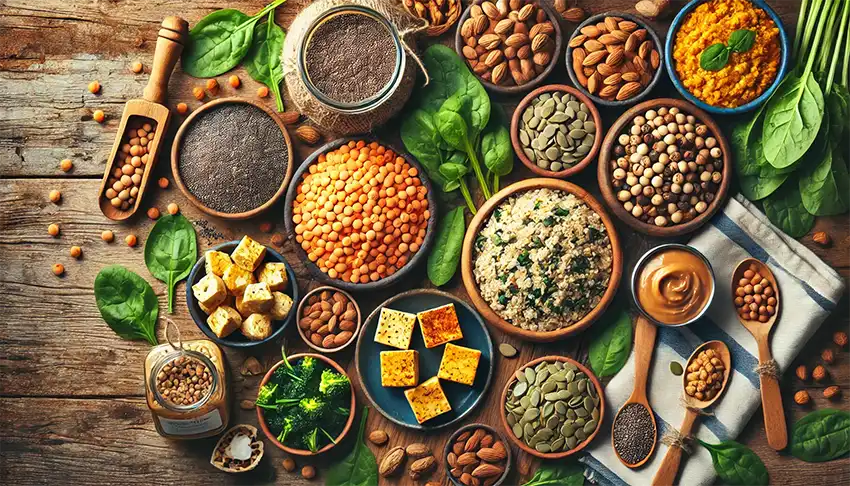
Vegan diets exclude all animal products, but you can still meet protein needs with:
-
Lentils & Chickpeas – 18g per cup, great for soups or salads
-
Tofu & Tempeh – 20g per serving, ideal for stir-fries
-
Seitan (wheat gluten) – 25g per 3 oz, meat-like texture
-
Quinoa – 8g per cup and a complete protein
-
Chia & Hemp Seeds – 5–10g per serving, rich in omega-3s
-
Pea Protein Powder – 20g+ per scoop, excellent post-workout
🔸 Tip: Combine grains + legumes to create complete protein profiles (e.g., rice + beans).
2. Keto & Low-Carb Diets
Focus on high-protein, low-carb, and high-fat foods:
-
Eggs – 6g per egg, nutrient-dense
-
Chicken breast – 31g per 100g, lean and versatile
-
Salmon – 25g per 100g, rich in omega-3
-
Beef (grass-fed) – 26g per 100g, iron-rich
-
Whey Protein Isolate – Low-carb, 20–25g per scoop
🔸 Tip: Opt for organic, nitrate-free, and pasture-raised animal proteins when possible.
🥚 3. Paleo Diet
Paleo focuses on foods our ancestors ate:
-
Turkey & Game Meats – 25–30g per 100g
-
Eggs & Duck Eggs – Excellent for breakfast
-
Bone Broth Protein – Gut-healing and muscle-supportive
-
Nuts & Seeds – Almonds, walnuts, sunflower seeds
-
Wild Fish & Shellfish – Sustainable and high in protein
🔸 Tip: Avoid processed meats; choose fresh, clean protein sources.
4. Gluten-Free Diet
Gluten-free doesn’t mean protein-deficient:
-
Legumes & Beans – Great base for gluten-free meals
-
Quinoa & Amaranth – High-protein ancient grains
-
Eggs & Dairy – Full of bioavailable protein
-
Gluten-Free Protein Powders – Look for certified labels
🔸 Tip: Always check labels for hidden gluten in processed protein foods.
5. Balanced or Flexitarian Diets
Flexitarians combine plant and occasional animal proteins:
-
Greek Yogurt (Organic) – 15–20g per cup
-
Cottage Cheese – High in casein protein
-
Lentil Pasta – Double the protein of regular pasta
-
Organic Chicken & Fish – Rotate protein sources weekly
🔸 Tip: Include fermented proteins (like tempeh or kefir) for gut health.
How to Include Smart Protein Daily
Here’s a sample protein-packed daily plan (for a 2000-calorie diet):
Meal |
Example Dish |
Protein |
|---|---|---|
Breakfast |
Scrambled eggs with spinach + toast |
20g |
Snack |
Greek yogurt with chia seeds |
15g |
Lunch |
Quinoa salad with chickpeas + avocado |
22g |
Snack |
Protein smoothie (pea or whey protein) |
25g |
Dinner |
Grilled salmon with roasted veggies |
30g |
Total |
112g |
Organic Protein Powders – What to Know
Popular Organic Options
-
Hemp Protein
-
Pea Protein
-
Brown Rice Protein
-
Pumpkin Seed Protein
-
Collagen Protein (grass-fed)
What to Look for:
-
USDA Organic or Certified Organic
-
No artificial sweeteners
-
No soy, gluten, or dairy (if allergic)
-
Minimal ingredients

Myths vs Facts About Protein
Myth |
Fact |
|---|---|
“Too much protein harms kidneys.” |
Only in those with pre-existing kidney disease. |
“Vegans can’t get enough protein.” |
Vegans can easily meet needs with planning. |
“Protein makes you bulky.” |
Only when combined with intense strength training. |
“All protein powders are the same.” |
Quality and digestibility vary widely. |
How to Calculate Your Protein Needs
-
Find your body weight in kg:
Divide weight in lbs by 2.2 -
Multiply by activity level:
-
Sedentary: × 0.8g
-
Active: × 1.2–1.6g
-
Athlete: × 2.0g+
-
Example:
If you weigh 70 kg and are moderately active:
70 x 1.4 = 98g protein/day
Best Protein Sources by Goal
For Weight Loss:
-
High satiety: Eggs, lean poultry, legumes, Greek yogurt
-
Tip: Protein curbs hunger and boosts metabolism
For Muscle Gain:
-
High-digestibility: Whey, beef, egg whites, chicken
-
Tip: Spread protein across 4–5 meals
For Anti-Aging:
-
Collagen, fish, legumes
-
Tip: Combine protein with vitamin C for better collagen absorption
For Women’s Health:
-
Plant + dairy proteins
-
Tip: Add seeds (chia, flax) for hormonal balance
Sustainable & Ethical Protein Choices
Choosing organic and sustainable proteins helps:
-
Reduce antibiotic resistance
-
Support animal welfare
-
Limit environmental harm
Best options:
-
Pasture-raised eggs & poultry
-
Wild-caught fish
-
Organic-certified plant proteins
-
Locally grown legumes
Top Wellhealthorganic.com Protein Picks (Editor’s List)
Protein Source |
Why It’s Great |
Best For |
|---|---|---|
Organic Pea Protein |
Easily digestible, allergen-free |
Vegans, smoothies |
Free-Range Eggs |
Complete protein, omega-3s |
All diets |
Lentils |
Fiber + protein combo |
Weight loss, vegan |
Organic Greek Yogurt |
High protein, probiotic-rich |
Gut + muscle support |
Wild-Caught Salmon |
Omega-3s + lean protein |
Heart health |
Bone Broth Powder |
Collagen boost, easy digestion |
Joint & skin support
|
Frequently Asked Questions (FAQ)
Can I get enough protein without meat?
Yes. Plant-based diets can meet all protein needs when varied and well-planned.
What’s the best protein powder?
That depends on your goals. For muscle, go with whey isolate. For vegan diets, pea or hemp is ideal. For skin/joints, collagen is best.
Is too much protein dangerous?
Not for healthy individuals. Stay hydrated and eat a balanced diet. If you have kidney or liver issues, consult your doctor.
Are organic proteins worth the price?
Yes, especially for:
-
Avoiding hormones, pesticides, GMOs
-
Better animal welfare
-
Improved nutrient profile
When is the best time to eat protein?
Spread throughout the day. Post-workout protein helps with recovery. Include in every meal for steady muscle synthesis.
Conclusion: Make Protein Work for You
Whether you’re keto, vegan, gluten-free, paleo, or just eating clean, smart protein choices can elevate your health, performance, and energy levels. Wellhealthorganic.com empowers you with the knowledge and tools to choose sustainable, organic, and goal-focused proteins that suit your lifestyle.
Don’t follow trends follow your body’s needs, and let protein be a consistent ally in your journey toward optimal health.