



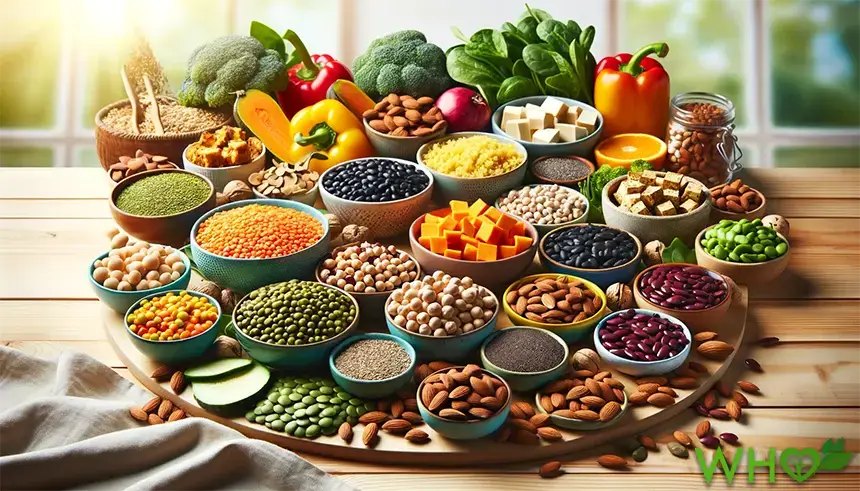
Protein is an essential macronutrient that plays a crucial role in muscle building, tissue repair, enzyme production, and overall body functions. While many people associate protein with meat, vegetarians have numerous plant-based options that are rich in protein and provide essential nutrients. A well-balanced vegetarian diet can easily meet daily protein requirements without relying on animal-based sources.
In this article, we will explore the best high-protein foods for vegetarians, their health benefits, and ways to incorporate them into your diet.
Why is Protein Important?
Protein is essential for:
- Muscle Growth and Repair – Helps in maintaining and building muscle mass.
- Boosting Metabolism – Increases calorie burning and aids in weight management.
- Immune Function – Strengthens the immune system to fight infections.
- Hormone and Enzyme Production – Supports various bodily functions.
- Healthy Skin, Hair, and Nails – Essential for collagen production and tissue health.
For vegetarians, choosing the right protein sources is important to ensure they get all essential amino acids and other vital nutrients.
Top High-Protein Foods for Vegetarians
1. Lentils (Dal) – The Protein Powerhouse
Lentils are one of the richest plant-based protein sources, with about 18 grams of protein per cooked cup (198g). They are also high in fiber, iron, and folate, making them excellent for heart and digestive health.
💡 How to Consume:
- Make lentil soup or dal for a protein-rich meal.
- Add cooked lentils to salads or wraps.
- Blend into lentil patties or veggie burgers.
2. Chickpeas and Other Legumes
Chickpeas (Garbanzo beans), black beans, kidney beans, and soybeans are excellent protein sources. Chickpeas provide about 15 grams of protein per cooked cup (164g).
💡 How to Consume:
- Make hummus or chickpea curry.
- Roast chickpeas for a crunchy snack.
- Add beans to soups, salads, and tacos.
3. Quinoa – A Complete Protein
Quinoa is one of the few plant-based foods that contain all nine essential amino acids, making it a complete protein. It has about 8 grams of protein per cooked cup (185g).
💡 How to Consume:
- Use quinoa as a rice substitute.
- Add to salads, soups, or breakfast porridge.
- Make quinoa patties or stir-fried quinoa.
4. Tofu, Tempeh, and Edamame
Soy-based products like tofu, tempeh, and edamame are fantastic protein sources.
- Tofu (Soybean curd) – 10 grams of protein per 100g
- Tempeh (Fermented soybeans) – 19 grams of protein per 100g
- Edamame (Young soybeans) – 18.5 grams of protein per cup
💡 How to Consume:
- Stir-fry tofu with vegetables.
- Grill or bake tempeh as a protein-packed meal.
- Steam or boil edamame and enjoy with salt.
5. Nuts and Seeds
Nuts like almonds, walnuts, cashews, and seeds such as chia, flaxseeds, hemp seeds, and pumpkin seeds are high in protein and healthy fats.
- Almonds – 7 grams of protein per 28g (handful)
- Chia Seeds – 4 grams of protein per 2 tablespoons
- Pumpkin Seeds – 7 grams per 28g
💡 How to Consume:
- Add nuts and seeds to smoothies, oatmeal, or yogurt.
- Spread almond or peanut butter on toast.
- Snack on roasted nuts or trail mix.
6. Greek Yogurt and Dairy Products
Greek yogurt is a protein-dense dairy product, with 20 grams of protein per 200g serving. Other dairy products like paneer, cheese, and milk are also great sources of protein.
💡 How to Consume:
- Have Greek yogurt with fruits and honey.
- Use paneer in curries, wraps, or salads.
- Drink a glass of milk or add it to smoothies.
7. Seitan – The Wheat Meat
Seitan, also known as wheat gluten, is a high-protein meat substitute with about 21 grams of protein per 100g. It has a meaty texture, making it a favorite among vegetarians.
💡 How to Consume:
- Use in stir-fries, sandwiches, or kebabs.
- Grill or sauté with spices and vegetables.
8. Peas – A Simple Yet Powerful Protein Source
Green peas contain 9 grams of protein per cooked cup (160g). They are also rich in fiber and vitamins.
💡 How to Consume:
- Add to soups, curries, or pasta dishes.
- Blend into pea-based hummus or dip.
9. Spirulina – The Superfood
Spirulina, a blue-green algae, is an excellent plant-based protein source, providing 8 grams of protein per 2 tablespoons. It is also rich in antioxidants, iron, and B vitamins.
💡 How to Consume:
- Mix spirulina powder into smoothies or juices.
- Sprinkle over salads or yogurt.
10. Mushrooms – A Tasty Alternative
Mushrooms have a decent protein content and provide a meaty texture. While not as high in protein as other sources, they are still a great addition to a vegetarian diet.
💡 How to Consume:
- Make mushroom stir-fries, soups, or curries.
- Use as a pizza topping or in pasta.
Health Benefits of a High-Protein Vegetarian Diet
1. Supports Muscle Growth and Recovery
Protein is essential for muscle repair and growth, making it ideal for athletes and fitness enthusiasts.
2. Helps in Weight Management
High-protein foods keep you full for longer, reducing hunger cravings and aiding in weight loss.
3. Boosts Metabolism
Protein-rich foods increase calorie burning, promoting fat loss while maintaining muscle mass.
4. Improves Bone Health
Dairy products and plant-based protein sources like tofu and almonds provide essential calcium and protein for strong bones.
5. Enhances Digestion and Gut Health
Many vegetarian protein sources like legumes and quinoa are rich in fiber, which supports healthy digestion.
6. Reduces the Risk of Chronic Diseases
A vegetarian diet rich in protein helps lower cholesterol levels, reduce inflammation, and prevent heart disease.

How to Include More Protein in Your Vegetarian Diet
- Start your day with a protein-rich breakfast – Try Greek yogurt, peanut butter toast, or a smoothie with protein-rich nuts and seeds.
- Replace white rice with quinoa or lentils – These options provide more protein and fiber.
- Snack on nuts, seeds, or hummus – Healthy and protein-packed snack options.
- Add protein to every meal – Include tofu, tempeh, beans, or cheese in your dishes.
- Try plant-based protein powders – Great for those who need extra protein for fitness goals.
Conclusion
A vegetarian diet can be rich in protein with the right food choices. From lentils and quinoa to tofu, nuts, and seeds, there are plenty of high-protein options to meet daily nutritional needs. Including a variety of these foods ensures a balanced diet, supporting muscle growth, metabolism, and overall health. Whether you are a vegetarian by choice or looking to reduce meat consumption, these protein-rich foods can help you stay strong, healthy, and energized.
By making smart dietary choices, vegetarians can easily meet their protein requirements while enjoying delicious and nutritious meals.
FAQ
1. What are the best high-protein foods for vegetarians?
Some of the best vegetarian protein sources include lentils, chickpeas, quinoa, tofu, tempeh, Greek yogurt, nuts, seeds, and legumes. These foods provide essential amino acids and help in muscle growth and overall health.
2. Can vegetarians get enough protein without eating meat?
Yes! A well-balanced vegetarian diet with a variety of protein-rich foods like beans, dairy, and soy products can meet daily protein requirements without meat.
3. What is the highest plant-based protein source?
Seitan, also known as wheat gluten, is one of the highest plant-based protein sources, with 21 grams of protein per 100g. Other high-protein options include tempeh, lentils, and quinoa.
4. Is tofu a good source of protein?
Yes, tofu is an excellent protein source, providing around 10 grams of protein per 100g. It is also rich in iron, calcium, and other essential nutrients.
5. How much protein do vegetarians need daily?
The recommended protein intake varies based on age, gender, and activity level. On average:
- Sedentary adults need 0.8g of protein per kg of body weight
- Active individuals require 1.2–2.0g per kg
- Athletes/bodybuilders may need 2.0g+ per kg
6. Can I get all essential amino acids from a vegetarian diet?
Yes, by combining different plant-based proteins like legumes and grains (e.g., rice and beans) or consuming complete proteins like quinoa, soy, and dairy, vegetarians can get all essential amino acids.
7. Is protein powder necessary for vegetarians?
Not necessarily. A well-planned vegetarian diet can provide enough protein. However, plant-based protein powders (like pea or soy protein) can be helpful for athletes or those struggling to meet protein needs.
8. Are lentils a good protein source?
Yes, lentils provide around 18g of protein per cooked cup (198g). They are also rich in fiber, iron, and folate, making them highly nutritious.
9. Can dairy products help vegetarians meet protein needs?
Yes, dairy products like Greek yogurt (20g protein per serving), cottage cheese, milk, and paneer are excellent protein sources.
10. What nuts and seeds are highest in protein?
- Almonds – 7g protein per 28g (handful)
- Chia Seeds – 4g protein per 2 tablespoons
- Pumpkin Seeds – 7g per 28g
- Hemp Seeds – 10g per 28g
11. What are some protein-rich breakfast options for vegetarians?
- Greek yogurt with nuts and seeds
- Oatmeal with chia or flaxseeds
- Tofu scramble with vegetables
- Peanut butter on whole-grain toast
- Protein smoothie with soy milk and fruits
12. Is quinoa a good protein source?
Yes! Quinoa is a complete protein and provides 8g of protein per cooked cup. It’s also rich in fiber and essential nutrients.
13. Are beans and legumes enough for protein intake?
Yes, beans like chickpeas, black beans, and kidney beans provide around 15g of protein per cooked cup. Combining them with grains (like rice) enhances their protein quality.
14. Can vegetarians build muscle without meat?
Yes! By consuming high-protein plant foods, dairy, and soy products, along with strength training, vegetarians can build and maintain muscle effectively.
15. What vegetarian foods help with weight loss and muscle gain?
- Weight loss: Greek yogurt, lentils, quinoa, tofu, almonds, and chia seeds.
- Muscle gain: Seitan, tempeh, chickpeas, peanut butter, and protein shakes.
16. How can vegetarians increase protein intake easily?
- Add nuts and seeds to meals
- Eat more legumes and beans
- Choose whole grains like quinoa instead of white rice
- Include dairy or plant-based protein sources in every meal
- Try protein-packed snacks like hummus, roasted chickpeas, or Greek yogurt
17. What is the best protein source for vegans?
For vegans, the best protein sources include lentils, beans, quinoa, tofu, tempeh, seitan, nuts, seeds, and plant-based protein powders.
18. Does a vegetarian diet lack any essential nutrients?
Vegetarians should ensure adequate intake of Vitamin B12, iron, zinc, omega-3s, and protein. These can be obtained from fortified foods, dairy, legumes, nuts, and seeds.
19. Can a high-protein vegetarian diet improve overall health?
Yes! A protein-rich vegetarian diet supports muscle growth, weight management, energy levels, digestion, and overall well-being.
20. What are the best vegetarian protein snacks?
- Roasted chickpeas
- Mixed nuts and seeds
- Greek yogurt with honey
- Peanut butter on whole-grain toast
- Protein smoothies with plant-based protein powder