


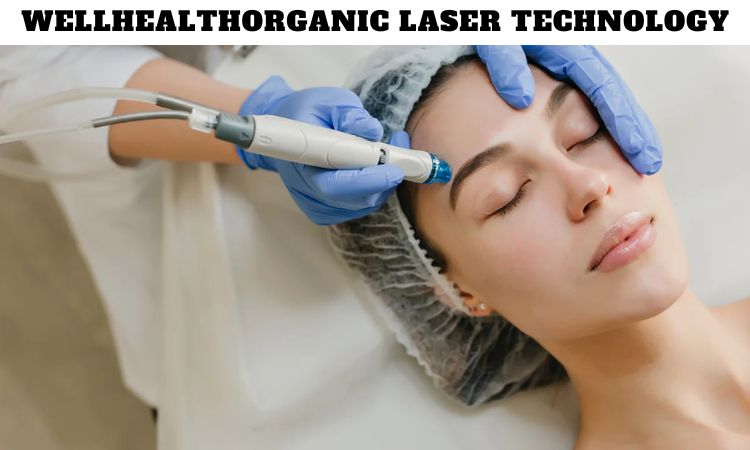
In recent years, laser technology has made significant strides in health and wellness. Initially used for surgical purposes, lasers are now being incorporated into various therapeutic treatments. Their ability to focus energy on specific areas of the body allows for targeted healing with minimal damage to surrounding tissues. Today, lasers are used in many sectors of health, including pain management, skin care, wound healing, and even mental health. One of the most prominent innovators in this space is Wellhealthorganic, a company that has been pioneering the use of laser technology for health and wellness.
This article will explore the many benefits of laser technology for health and wellness, explain how laser treatments work, and discuss the various applications in medical and cosmetic fields.
How Laser Technology Works
Laser stands for Light Amplification by Stimulated Emission of Radiation. It produces a concentrated beam of light that can be tuned to specific wavelengths. This precision allows for highly targeted treatments, which makes laser technology effective for a variety of health and wellness needs. Depending on the wavelength and power of the laser, it can penetrate different layers of the skin or tissues, promoting healing or stimulating specific biological processes.
For therapeutic purposes, lasers typically operate at low levels of energy—also known as low-level laser therapy (LLLT). LLLT helps with cellular regeneration, inflammation reduction, and pain relief, without causing damage to healthy tissues.
The Various Benefits of Laser Technology for Health and Wellness
Laser technology is versatile, offering benefits in various aspects of health, from physical rehabilitation to cosmetic enhancement. Below are some of the primary health and wellness benefits associated with laser treatments:
1. Pain Relief and Inflammation Reduction
Laser therapy is increasingly used for pain management. Low-level laser therapy (LLLT) has been proven effective in treating a variety of conditions, including arthritis, chronic pain, and sports injuries. By using specific wavelengths of light, lasers can penetrate deep into the tissues to stimulate circulation and cell regeneration, helping to reduce pain and swelling.
In addition to pain relief, laser therapy also reduces inflammation, which can be particularly helpful in conditions like tendonitis and muscle strains. The laser’s energy helps to increase blood flow, encouraging the healing of tissues and reducing the amount of time needed for recovery.
2. Skin Care and Rejuvenation
Laser treatments are highly popular in the cosmetic industry due to their ability to revitalize the skin and improve its appearance. There are a variety of laser treatments available, depending on the skin issue that needs addressing.
-
Acne Scar Treatment: Laser treatments can target acne scars by stimulating collagen production, which helps to smooth out uneven skin textures. These treatments have proven to be more effective than topical treatments in reducing the appearance of deep scarring.
-
Wrinkle Reduction: Fractional laser treatments use controlled microbeams to create tiny wounds in the skin, triggering the body’s natural healing process. This boosts collagen production, which in turn reduces wrinkles and fine lines, leaving the skin smoother and more youthful.
-
Hyperpigmentation Treatment: Conditions like sun spots or melasma can be addressed with laser therapies that target the overproduction of melanin in the skin. This results in more even skin tone and a clearer complexion.
-
Hair Removal: Laser hair removal is one of the most sought-after treatments. Using focused light energy, the laser targets hair follicles, destroying them and preventing future hair growth. This is a long-term solution that offers a significant reduction in unwanted hair.
3. Wound Healing and Tissue Regeneration
Laser technology can promote the healing of wounds, including chronic ulcers, burns, and surgical incisions. The targeted laser energy stimulates the regeneration of skin cells and encourages the formation of new tissue. It also increases circulation, delivering more oxygen and nutrients to the damaged areas, which speeds up the healing process.
Research has shown that laser therapy can be effective in treating diabetic ulcers and other chronic wounds that do not respond well to traditional treatments. The ability to speed up wound healing has also made lasers an essential tool in post-surgery recovery.
4. Improved Joint Function and Rehabilitation
Laser therapy can be used for physical rehabilitation after surgery or injury. By stimulating the body’s natural healing mechanisms, laser therapy accelerates the repair of damaged tissue, promoting the healing of muscles, tendons, and ligaments. This makes laser therapy a viable option for individuals suffering from sports injuries or those recovering from joint replacement surgeries.
For those experiencing joint stiffness, muscle pain, or ligament injuries, laser treatments help to improve mobility and reduce the time it takes to return to full activity. Regular sessions of LLLT have also been shown to reduce the severity of conditions like osteoarthritis, allowing individuals to manage symptoms without relying heavily on medications.
5. Mental Health and Mood Improvement
Laser therapy is not only beneficial for physical health but also for mental well-being. Some studies suggest that low-level laser treatments can help improve mood and reduce symptoms of anxiety and depression. The laser’s ability to stimulate the production of endorphins, which are natural mood boosters, has made it a promising option in mental health treatment.
In addition, laser technology is believed to promote neurogenesis—the formation of new neurons in the brain—thereby enhancing cognitive function. This makes it a potential adjunct treatment for brain injuries or neurodegenerative diseases.
6. Non-Invasive Treatment Option
One of the greatest advantages of laser therapy is its non-invasive nature. Traditional surgeries often come with long recovery periods and risks of complications. In contrast, laser treatments are gentler and require no incisions or stitches.
Whether used for cosmetic purposes or medical healing, laser technology delivers fast and efficient results with minimal downtime. This non-invasive approach has made lasers increasingly popular among individuals seeking alternatives to surgery for improving both their physical appearance and health.
7. Enhanced Circulation and Detoxification
Laser therapy helps to improve blood circulation in areas where healing is needed. By increasing circulation, lasers promote better oxygen and nutrient delivery to cells, which aids in cellular detoxification and waste removal. This is particularly beneficial for individuals who suffer from poor circulation or conditions like chronic fatigue syndrome


Applications of Laser Technology in Health and Wellness
Laser technology has a broad range of applications in the health and wellness sector. Here are some areas where laser treatments are currently making a significant impact:
1. Aesthetic Treatments
Laser treatments have become a staple in aesthetic medicine, offering non-invasive solutions for improving skin appearance, body contouring, and hair removal. Clinics worldwide offer laser facials, skin resurfacing, and tattoo removal as part of their cosmetic procedures. These treatments cater to individuals who wish to enhance their appearance with minimal recovery time.
2. Dentistry
Lasers have also been incorporated into dental treatments, where they are used for gum disease treatment, cavity detection, and tooth whitening. Lasers allow for more precise and comfortable procedures, leading to faster recovery times and reduced patient discomfort.
3. Pain Management and Rehabilitation Centers
Laser therapy is widely used in physical therapy and pain management clinics to treat various musculoskeletal injuries and disorders. It is commonly used in chronic pain conditions like fibromyalgia, sciatica, and herniated discs. Lasers promote tissue repair, reduce inflammation, and improve flexibility, making them invaluable for rehabilitation.
4. Veterinary Medicine
Laser therapy is not limited to human medicine; it is also used in veterinary care. Animals suffering from pain, wounds, or inflammation benefit from laser treatments that help accelerate healing and reduce discomfort. Veterinarians use lasers for post-surgery recovery, as well as arthritis treatment and muscle injuries.
The Future of Laser Technology in Health and Wellness
As technology continues to evolve, laser treatments are likely to expand into new areas of health and wellness. Researchers are exploring the potential of lasers for treating genetic disorders, autoimmune diseases, and even cancer. With advancements in precision medicine, laser technology could become even more personalized, allowing for tailored treatments based on an individual’s genetic makeup.
The future of laser technology looks incredibly promising, and Wellhealthorganic continues to lead the charge in bringing these cutting-edge solutions to individuals seeking better health and well-being.
Conclusion
Laser technology has undoubtedly revolutionized health and wellness treatments, offering non-invasive, effective, and targeted solutions to a wide range of medical and cosmetic issues. Whether used for pain relief, skin rejuvenation, or tissue healing, lasers provide numerous benefits with minimal risk and downtime.
With its ability to promote healing, reduce pain, and enhance appearance, laser technology has earned its place as a crucial tool in both medical practices and wellness centers. As research and innovation continue, the role of lasers in health will only expand, bringing further advancements in treating both chronic conditions and cosmetic concerns.
For individuals seeking a holistic approach to improving their health and wellness, Wellhealthorganic stands out as a leading platform to harness the power of laser technology. The future of wellness looks brighter with the ongoing development of laser treatments that offer new possibilities for better health and enhanced quality of life.
FAQ
1. What is laser therapy?
Laser therapy, also known as Low-Level Laser Therapy (LLLT), uses concentrated light energy to treat various health and wellness conditions. The laser stimulates cellular regeneration, reduces inflammation, and promotes pain relief by targeting specific tissues with precision. This non-invasive treatment is used for a variety of medical and cosmetic applications.
2. How does laser therapy work?
Laser therapy works by emitting focused light energy, which penetrates the skin and interacts with cells. The energy stimulates mitochondria (the powerhouse of the cell), leading to enhanced cell metabolism, improved circulation, and the reduction of inflammation. This promotes faster healing, pain relief, and regeneration of tissue.
3. What health benefits can I expect from laser therapy?
Laser therapy offers a wide range of health benefits, including:
- Pain relief: Reduces chronic pain and inflammation from conditions like arthritis and sports injuries.
- Skin rejuvenation: Improves skin tone and texture by stimulating collagen production.
- Wound healing: Speeds up the healing of cuts, burns, and chronic ulcers.
- Reduced inflammation: Alleviates swelling in joints and muscles.
- Joint and tissue rehabilitation: Promotes recovery after surgery or injury by encouraging tissue regeneration.
4. Is laser therapy safe?
Yes, laser therapy is considered safe when performed by a trained professional. The procedure is non-invasive, with minimal side effects. Most individuals experience only mild discomfort or a slight warming sensation during the treatment. It is important to follow the guidance of your healthcare provider to ensure the appropriate use of laser therapy based on your medical history.
5. How long does a laser therapy session take?
The length of a laser therapy session varies depending on the treatment area and the condition being treated. On average, a session lasts between 10 to 30 minutes. For pain relief or skin rejuvenation, treatments might be repeated over several weeks to achieve optimal results.
6. What conditions can be treated with laser therapy?
Laser therapy is used to treat a variety of conditions, including:
- Pain management: Chronic pain, arthritis, muscle strains, and tendonitis.
- Skin conditions: Acne scars, wrinkles, sunspots, and hyperpigmentation.
- Wound healing: Chronic wounds, surgical incisions, and burns.
- Joint and tissue injuries: Sprains, strains, and post-surgical recovery.
- Mental health: Some studies suggest laser therapy may help alleviate symptoms of anxiety and depression by stimulating endorphin production.
7. Can laser therapy be used for hair removal?
Yes, laser hair removal is one of the most popular cosmetic treatments. Using focused laser light, the hair follicle is targeted and destroyed, preventing future hair growth. This is a permanent solution for unwanted hair on areas such as the face, legs, arms, and bikini line.
8. How many laser therapy sessions will I need?
The number of laser therapy sessions needed depends on the specific condition being treated, the severity of the issue, and your body’s response to the therapy. For some conditions, several sessions might be required over weeks or months. Typically, patients begin to notice improvements after 3 to 5 sessions, but full results may take longer to achieve.
9. Does laser therapy have any side effects?
Laser therapy is generally safe and well-tolerated. However, some individuals may experience minor side effects such as:
- Mild redness or irritation in the treated area.
- Temporary discomfort during or after the procedure.
- Slight swelling or bruising in rare cases.
These side effects typically resolve within 24-48 hours. Severe side effects are extremely rare, but it’s important to consult a healthcare provider if you have concerns.
10. Is laser therapy suitable for everyone?
Laser therapy is a versatile and non-invasive treatment suitable for most individuals. However, it may not be appropriate for:
- Pregnant women: Laser therapy is generally avoided during pregnancy due to lack of long-term safety data.
- Individuals with certain health conditions: People with photosensitivity or certain types of cancer should avoid laser treatments.
- Those with pacemakers or other implanted devices: Laser treatments may interfere with these devices. Always consult a doctor before undergoing laser therapy if you have any health concerns.
11. What are the advantages of laser therapy over other treatments?
Laser therapy has several advantages over traditional treatments, such as:
- Non-invasive: No surgery or injections are required.
- Minimal downtime: Most patients can resume their normal activities immediately after the treatment.
- Faster recovery: Laser therapy accelerates healing, allowing for quicker recovery compared to conventional treatments.
- Targeted treatment: Lasers provide precise treatment to specific areas, minimizing damage to surrounding healthy tissues.
12. How do I know if laser therapy is right for me?
The decision to undergo laser therapy should be made in consultation with a qualified healthcare provider. They will assess your condition, discuss your medical history, and help you determine if laser therapy is an appropriate option. They can also recommend the best type of laser treatment for your needs.
13. Can laser therapy help with weight loss or body contouring?
While laser therapy is not a weight-loss treatment, laser lipolysis (also known as laser body contouring) can help reduce localized fat deposits and improve the contours of the body. It works by using laser energy to break down fat cells, which are then naturally eliminated by the body. This treatment is often used in conjunction with a healthy diet and exercise program to achieve optimal results.
14. Can I combine laser therapy with other treatments?
Yes, laser therapy can often be combined with other treatments, such as physical therapy, massage, or topical skincare products, for enhanced results. Many patients use laser therapy in combination with other procedures like microdermabrasion, chemical peels, or botox for overall skin rejuvenation.
15. Where can I find Wellhealthorganic laser technology services?
Wellhealthorganic is a leading provider of innovative laser treatments, offering services through both online consultations and in-person visits at partner wellness centers. You can visit the Wellhealthorganic website to find more information about laser therapy services available in your area, or you can schedule a consultation to discuss how laser technology can improve your health and wellness.