

Forex trading short for foreign exchange trading—is the world’s largest and most liquid financial market. With trillions of dollars traded daily, it has become increasingly popular among individual investors, especially beginners looking to capitalize on currency fluctuations. But entering the Forex market can be overwhelming without the right tools and platforms.
This article explores the best Forex trading platforms for beginners in 2025, covering their features, ease of use, educational resources, fees, and overall user experience. Whether you’re a complete novice or someone with basic trading knowledge, this guide will help you pick the platform that suits your needs.
1. What to Look for in a Beginner-Friendly Forex Platform
Before diving into the list of top platforms, it’s essential to understand what makes a Forex trading platform suitable for beginners:
- User-Friendly Interface: Easy navigation and intuitive design
- Educational Resources: Tutorials, webinars, glossaries, and demo accounts
- Low Fees and Spreads: Cost-effective trading options
- Regulation and Security: Licensed by reputable authorities
- Customer Support: 24/7 support with multiple channels
2. Top Forex Trading Platforms for Beginners (2025)
1. eToro
Overview: eToro is renowned for its user-friendly interface and social trading features. It allows beginners to copy the trades of successful traders while learning the basics.
Key Features:
- CopyTrader system to replicate expert trades
- Easy-to-navigate mobile and web platforms
- Built-in educational academy
- Regulated by FCA, CySEC, and ASIC
Pros:
- Great for learning by observing
- Demo account available
- Transparent fees
Cons:
- Limited advanced tools for pro traders
2. IG Group
Overview: A global leader in Forex trading, IG offers a wide range of educational materials and a simple platform that’s perfect for beginners.
Key Features:
- Extensive learning resources
- Low minimum deposit
- Regulated in multiple jurisdictions
- Customizable dashboard
Pros:
- Trusted global brand
- Strong research tools
Cons:
- Some instruments have high spreads
3. Plus500
Overview: Plus500 offers a clean and intuitive trading platform with access to Forex, stocks, indices, and more.
Key Features:
- Commission-free trading
- Risk management tools
- Free unlimited demo account
- Regulated by FCA, ASIC
Pros:
- Easy to use
- Supports mobile and desktop
Cons:
- Limited educational content
4. Forex.com
Overview: Forex.com is a highly regarded broker with beginner tools and tutorials, especially for U.S.-based traders.
Key Features:
- Proprietary platform with great UX
- Learning center for all experience levels
- Advanced charting features
- Licensed by NFA, CFTC, FCA
Pros:
- Strong regulatory oversight
- Great for both novice and advanced traders
Cons:
- Higher spreads than some competitors
5. XM Group
Overview: Known for its low trading fees and excellent educational materials, XM is ideal for those starting small.
Key Features:
- No commission accounts available
- 1:1 to 1:888 leverage (based on region)
- Free webinars and eBooks
- MetaTrader 4 and 5 support
Pros:
- Low minimum deposit
- Educationally rich
Cons:
- Region-specific features
3. Forex Demo Accounts: Practice Before You Trade
Many platforms offer demo accounts so beginners can practice without risking real money. These are crucial for understanding how trades work, testing strategies, and becoming familiar with platform features. Top platforms offering demo accounts include eToro, Plus500, and XM.
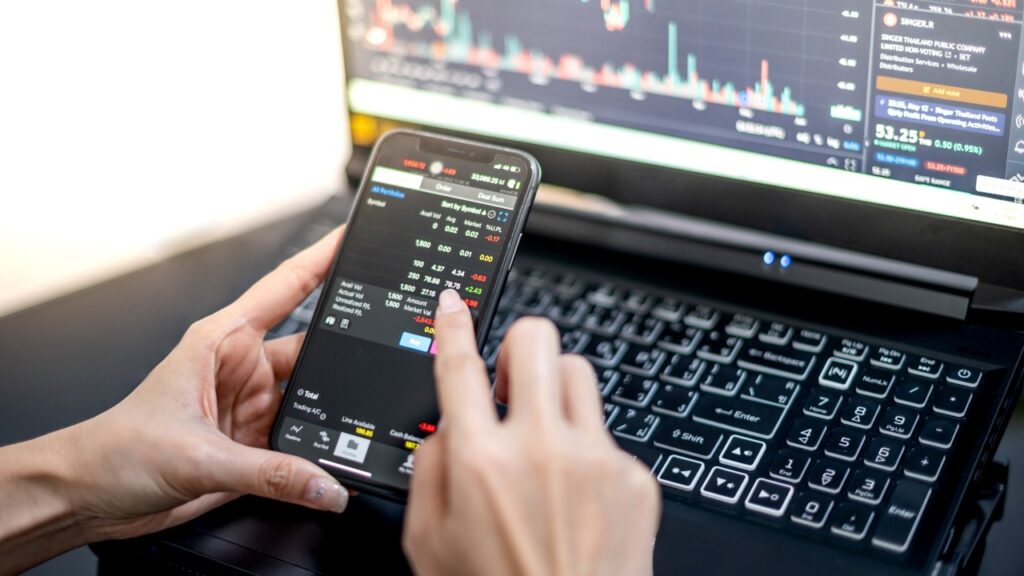
4. Mobile Trading Apps for Beginners
In 2025, mobile trading is more popular than ever. The best beginner-friendly Forex platforms offer responsive, intuitive apps that replicate the full desktop experience. Look for platforms with:
- Real-time price alerts
- Charting tools and news feeds
- Seamless fund transfers
- Biometric login for added security
Recommended apps: eToro, Forex.com, IG, Plus500
5. Regulation and Safety
Choosing a regulated broker ensures your funds and data are protected. Look for platforms licensed by:
- FCA (UK)
- CySEC (EU)
- ASIC (Australia)
- NFA/CFTC (USA)
Avoid unregulated brokers offering suspiciously high leverage or bonuses.
6. Educational Resources: Learn While You Trade
Beginner-friendly platforms should empower you with knowledge. Look for:
- Video tutorials
- Glossaries of terms
- Interactive trading courses
- Webinars hosted by experts
eToro and IG stand out for their comprehensive educational portals.
7. Fees and Spreads Comparison
While many platforms offer commission-free trades, they make money through spreads (the difference between the buy and sell price). Always compare these:
Platform |
Typical Spread (EUR/USD) |
Commission |
Minimum Deposit |
|---|---|---|---|
eToro |
1.0 pip |
No |
$10 |
IG Group |
0.6 pip |
No |
$250 |
Plus500 |
0.8 pip |
No |
$100 |
Forex.com |
1.2 pip |
No |
$100 |
XM |
1.6 pip |
No |
$5 |
8. Tips for Beginners Getting Started in Forex
- Start with a demo account to practice
- Choose low-risk pairs like EUR/USD
- Limit leverage to reduce losses
- Use stop-loss orders for safety
- Keep a trading journal to learn from mistakes
- Never invest money you can’t afford to lose
9. Final Verdict: Which Platform Is Best?
Each trader’s needs differ, but here’s a quick breakdown:
- Best for Learning: eToro
- Best for Research: IG Group
- Best for Simple Trading: Plus500
- Best for U.S. Residents: Forex.com
- Best Low Budget Option: XM Group
Beginners should prioritize ease of use, educational support, and regulation over exotic features or leverage. A good platform will grow with you as you become more experienced.
10. FAQs
Q1: Is Forex trading safe for beginners?
A: It can be, if you use regulated platforms, practice with a demo account, and start with small investments.
Q2: How much money do I need to start Forex trading?
A: Some platforms let you start with as little as $5 or $10, but $100–$250 is more common for meaningful trades.
Q3: Can I trade Forex from my smartphone?
A: Yes, most top platforms offer mobile apps with full functionality.
Q4: Do I need any qualifications to trade Forex?
A: No formal qualifications are required, but self-education is crucial for success.
Q5: What’s the difference between a pip and a spread?
A: A pip is the smallest price movement in Forex. A spread is the difference between the buy and sell price.

Conclusion
Choosing the right Forex trading platform is your first big step toward successful trading. By focusing on usability, regulation, and educational content, beginners in 2025 can navigate the Forex world with confidence. Start small, learn continuously, and use the tools these platforms offer to grow your skills—and your investments.
