

The world of cryptocurrency continues to evolve at a rapid pace, and Bitcoin remains at the center of this financial revolution. As the first and most valuable cryptocurrency, Bitcoin consistently influences the global crypto market and financial ecosystems.
In 2026, Bitcoin is once again making headlines due to price movements, institutional adoption, regulatory developments, and technological advancements. Whether you are an investor, trader, or crypto enthusiast, staying updated with the latest Bitcoin news is essential.
This article provides a comprehensive overview of Bitcoin’s current news, trends, market analysis, and future predictions.
What is Bitcoin?
Bitcoin is a decentralized digital currency that operates without a central authority such as a bank or government. It was introduced in 2009 by an anonymous figure known as Satoshi Nakamoto.
Bitcoin runs on blockchain technology, which is a distributed ledger that records all transactions securely and transparently.
Bitcoin Market Overview (2026)
In 2026, Bitcoin continues to dominate the cryptocurrency market. It holds the largest market capitalization among all cryptocurrencies and often sets the tone for the entire crypto market.
Key Market Highlights:
- Increased institutional investment
- Growing adoption in mainstream finance
- Rising interest from retail investors
- Volatility driven by global economic conditions
Bitcoin’s price fluctuations remain a major topic in financial news.
Latest Bitcoin Price Trends
Bitcoin’s price has seen significant fluctuations recently, influenced by:
- Global economic uncertainty
- Interest rate changes
- Institutional buying and selling
- Regulatory announcements
In 2026, Bitcoin is experiencing both bullish and bearish phases, creating opportunities for traders and long-term investors.
Institutional Adoption of Bitcoin
One of the biggest drivers of Bitcoin’s growth is institutional adoption. Major companies and financial institutions are increasingly investing in Bitcoin.
Key Developments:
- Hedge funds allocating assets to Bitcoin
- Companies adding Bitcoin to their balance sheets
- Banks offering crypto-related services
This trend is strengthening Bitcoin’s position as a legitimate asset class.
Bitcoin ETFs and Financial Integration
Bitcoin Exchange-Traded Funds (ETFs) have played a crucial role in mainstream adoption. ETFs allow investors to gain exposure to Bitcoin without directly owning it.
Benefits of Bitcoin ETFs:
- Easier access for traditional investors
- Reduced risk compared to direct ownership
- Increased market liquidity
These developments have significantly boosted Bitcoin’s credibility in financial markets.
Regulatory Updates in 2026
Governments worldwide are actively working on cryptocurrency regulations. Bitcoin is at the center of these discussions.
Key Regulatory Trends:
- Stricter compliance requirements
- Tax regulations on crypto gains
- Anti-money laundering measures
While regulations create challenges, they also bring legitimacy and stability to the market.
Bitcoin Mining Updates
Bitcoin mining remains an essential part of the network. In 2026, the mining industry is undergoing major changes.
Key Trends:
- Shift toward renewable energy
- Increased mining efficiency
- Higher competition among miners
Environmental concerns are pushing the industry toward sustainable solutions.
Bitcoin Halving Impact
Bitcoin halving events reduce the reward for mining new blocks. These events historically impact Bitcoin’s price.
Effects of Halving:
- Reduced supply of new Bitcoin
- Increased scarcity
- Potential price increase
The next halving event continues to influence market expectations.
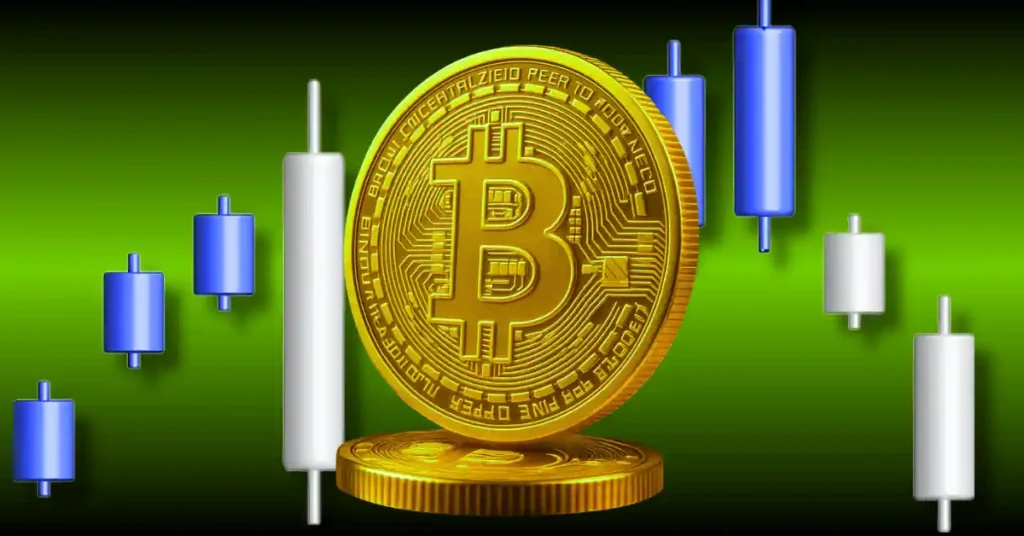
Bitcoin vs Other Cryptocurrencies
While Bitcoin leads the market, other cryptocurrencies like Ethereum are also gaining popularity.
Comparison:
Feature |
Bitcoin |
Ethereum |
|---|---|---|
Purpose |
Digital currency |
Smart contracts |
Supply |
Limited |
Flexible |
Use Case |
Store of value |
Decentralized apps |
Bitcoin remains the most trusted and widely adopted cryptocurrency.
Bitcoin as Digital Gold
Many investors consider Bitcoin as “digital gold.” This means it is used as a store of value rather than a medium of exchange.
Why Bitcoin is Digital Gold:
- Limited supply (21 million coins)
- High security
- Global acceptance
This perception is driving long-term investment.
Risks and Challenges
Despite its growth, Bitcoin faces several challenges:
1. Volatility
Bitcoin prices can change rapidly, leading to potential losses.
2. Regulatory Uncertainty
Different countries have varying regulations.
3. Security Concerns
Although secure, exchanges and wallets can be targeted by hackers.
Opportunities for Investors
Bitcoin offers several opportunities:
- Long-term investment growth
- Portfolio diversification
- Hedge against inflation
Investors are increasingly including Bitcoin in their portfolios.
Bitcoin Trading Strategies
1. HODLing
Holding Bitcoin for the long term.
2. Day Trading
Buying and selling based on short-term price movements.
3. Dollar-Cost Averaging
Investing fixed amounts regularly.
Impact of Global Economy on Bitcoin
Bitcoin is influenced by global economic factors such as:
- Inflation rates
- Interest rates
- Currency devaluation
During economic uncertainty, Bitcoin often gains attention as an alternative asset.
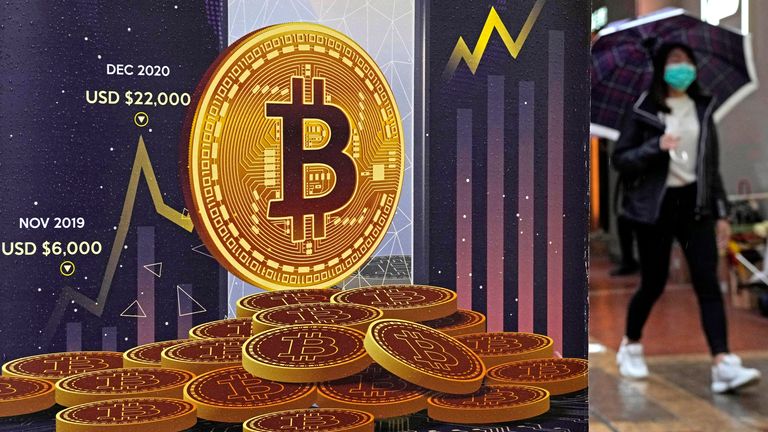
Role of AI in Bitcoin Trading
Artificial intelligence is transforming crypto trading by:
- Predicting price trends
- Automating trades
- Analyzing market data
AI tools are becoming increasingly popular among traders.
Future Predictions for Bitcoin
Experts have mixed opinions about Bitcoin’s future, but most agree on its long-term potential.
Possible Scenarios:
- Continued growth and adoption
- Increased regulation
- Integration into global financial systems
Bitcoin is expected to remain a key player in the digital economy.
Bitcoin in Everyday Life
Bitcoin is gradually being used for:
- Online payments
- Remittances
- E-commerce
Adoption is increasing, especially in countries with unstable currencies.
FAQs
Q1: Is Bitcoin a good investment in 2026?
Yes, but it depends on your risk tolerance and investment strategy.
Q2: Why is Bitcoin so volatile?
Because it is influenced by market demand, news, and global events.
Q3: Can Bitcoin replace traditional currency?
Not entirely, but it can complement existing financial systems.
Conclusion
Bitcoin continues to dominate the cryptocurrency landscape in 2026. With growing adoption, institutional investment, and technological advancements, it remains a powerful force in the global financial system.
While challenges such as volatility and regulation persist, Bitcoin’s long-term potential remains strong. Staying informed about the latest Bitcoin news is essential for making smart investment decisions.
Final Thoughts
As the digital economy evolves, Bitcoin is likely to play an even bigger role. Whether you are an investor or simply curious about cryptocurrency, understanding Bitcoin trends can help you stay ahead in this rapidly changing world.
