
Planning a wildlife photography trip in India is exciting but can be tricky especially when you’re torn between two iconic tiger reserves: Jim Corbett National Park and Ranthambore National Park.Both spots boast incredible biodiversity and thrilling safari experiences. They also offer some truly unforgettable photography moments.But with a tight budget of ₹50,000 and just 5 days in November, the choice feels less about passion and more about strategy.This guide dives into a detailed comparison of both parks looking at photography style, tiger sightings, costs, itinerary, and expert tips to help you pick what suits you best.
Why November is the Best Time for Wildlife Photography
- November kicks off the peak safari season in India.
- The post-monsoon greenery paints the landscapes in vibrant colors.
- Temperatures stay mild, usually between 10°C and 25°C, making those long safaris much more comfortable.
- Wildlife activity picks up as animals enjoy the pleasant weather.
- Migratory birds also start arriving, especially in places like Corbett.
- November brings together great lighting, lively wildlife, and stunning scenery.
Overview of Both Parks
- Ranthambore National Park
Location: Rajasthan
Known for: Tigers + historic ruins
Terrain: Open dry forest
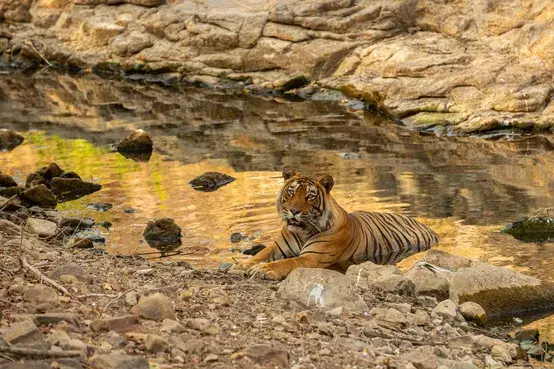
Tiger sightings: High (60–70%) - Ranthambore offers great visibility, making it easier to spot tigers. You’ll often find them near lakes and old forts, which adds a dramatic backdrop to your photos.
Jim Corbett National Park
- Location: Uttarakhand
- Known for its rich biodiversity and elephant population. The terrain features dense forests interwoven with river systems.
- Tiger sightings happen moderately here, around 40–50%.
- Corbett offers a fantastic backdrop for cinematic wildlife photography and environmental storytelling.
Photography Comparison: Which is Better?
- Ranthambore – Best for Tiger Portraits
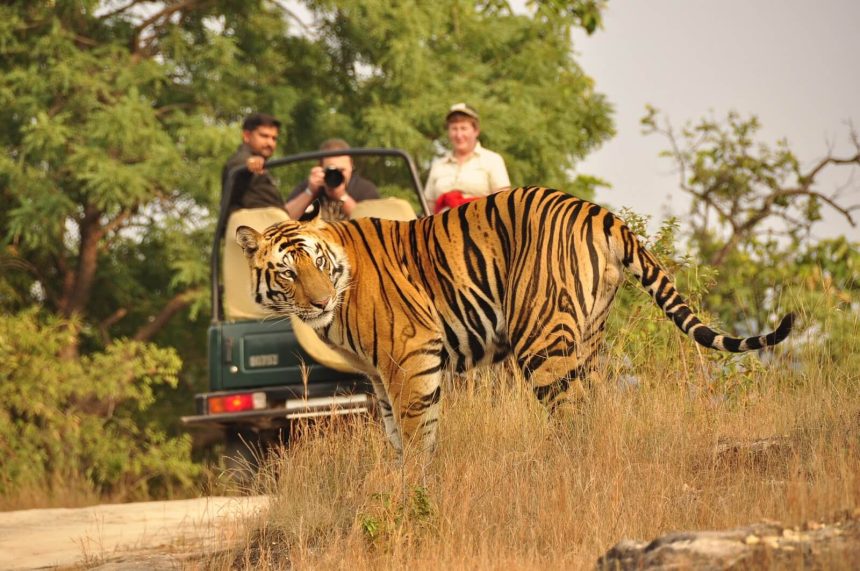
- The open terrain makes spotting tigers easier. Plus, the tigers here are used to vehicles.
- You’ll find clean backgrounds like lakes and ruins that really make your shots pop.
- Perfect for:
- Beginners
Close-up tiger shots
Instagram-style wildlife images
Jim Corbett – Best for Storytelling
Dense jungle meets misty mornings. Rivers and grasslands add layers to the scene.You’ll find diverse wildlife here elephants, birds, and more.
Wildlife Experience Comparison
Feature Ranthambore Jim Corbett
Tiger sightings High (60–70%) Moderate (40–50%)
Bird species 300+ 580+
Elephants Rare Common
Landscape Open & dry Dense & diverse
Safari Zones Breakdown
- Ranthambore Best Zones
- Zone 3: Lakes and tiger movement.
- Zone 2: High sightings.
- Zone 4: Scenic views.
- Zones 1–5 are best for photography.
Jim Corbett Best Zones
- Dhikala: Core area with elephants.
- Bijrani: Known for good tiger sightings.
- Jhirna: A budget-friendly option.
- Dhikala is the most famous, but it’s tough to get a booking.
50,000 Budget Breakdown (5 Days)
Ranthambore Budget Plan (~₹48K)
Travel: ₹2,000
Stay (4 nights): ₹12,000
Safaris (5–6): ₹24,000
Food & misc: ₹10,000
More safaris mean better chances of spotting tigers.
Jim Corbett Budget Plan (~₹48K)
Travel: ₹3,000
Stay: ₹15,000
Safaris: ₹20,000
Food & permits: ₹10,000
Better stay experience but fewer safaris
5-Day Itinerary Plan
Option 1: Full Ranthambore Plan
Day 1: Arrival + evening safari
Day 2: Morning + evening safari
Day 3: Full safari day
Day 4: Relax, photography, + safari
Day 5: Departure
Total safaris: 5–6
Pro Strategy (Best Plan)
2 days in Ranthambore
3 days in Corbett
Maximum diversity + best results
Cost vs Value Analysis
Ranthambore
More safaris
Higher chances of spotting tigers
Great for beginners
Less biodiversity
Jim Corbett
Rich wildlife diversity
Stunning landscapes
Elephant sightings
Real Photographer Insights (From Reddit)
- “Ranthambore is one of the best places to spot wild tigers. The core zones really boost your chances.”
- “You might even see more than one tiger during a single drive in Ranthambore.”
- Real-world insight:
- Ranthambore means a higher success rate.
Corbett? You’ll need a lot more patience.
Camera Gear for November Safari
Essential Equipment:
200–600mm zoom lens
400mm+ prime lens (for Corbett)
DSLR or mirrorless camera
Bean bag for stability
Extra batteries
Packing List
Warm clothes (morning safaris)
Gloves & cap
Sunscreen
Binoculars
ID proof
Power bank
Pros and Cons Summary
Ranthambore
Pros:
High tiger sightings
Easy photography
Budget-friendly
Cons:
Limited species variety
Jim Corbett
Pros:
Rich biodiversity
Beautiful landscapes
Cons:
Harder to spot tigers
- Choose Ranthambore if:
You want guaranteed tiger sightings
You are a beginner photographer
You want maximum safaris within budget - Choose Jim Corbett if:
You love nature and landscapes
You want to see elephants and birds
You are an advanced photographer
Expert Recommendation
- If you’re aiming purely for wildlife photography success, Ranthambore is your best bet.
- But if you’re after artistic and diverse shots, Jim Corbett takes the lead.
- Best Strategy for ₹50K Budget
- Why not combine the two?
- Ranthambore for tiger shots,
Corbett for landscapes and wildlife. - This way, you get the most out of your portfolio.
Conclusion
Choosing between Jim Corbett National Park and Ranthambore National Park really depends on what kind of photographer you are.Looking for dramatic tiger portraits? Ranthambore is your spot.If you prefer storytelling and a variety of subjects, Corbett might suit you better.With a ₹50,000 budget and five days, you can manage a trip to either place. Just let your photography style steer the choice.
FAQs
1. Which park has higher tiger sightings?
Ranthambore (60–70%)
2. Is ₹50K enough for a 5-day trip?
Yes, with proper planning, both parks fit within this budget.
3. Which is better for beginners?
Ranthambore
4. Which is better for bird photography?
Jim Corbett
5. Can I visit both parks in one trip?
Yes, and honestly, it’s highly recommended.
