
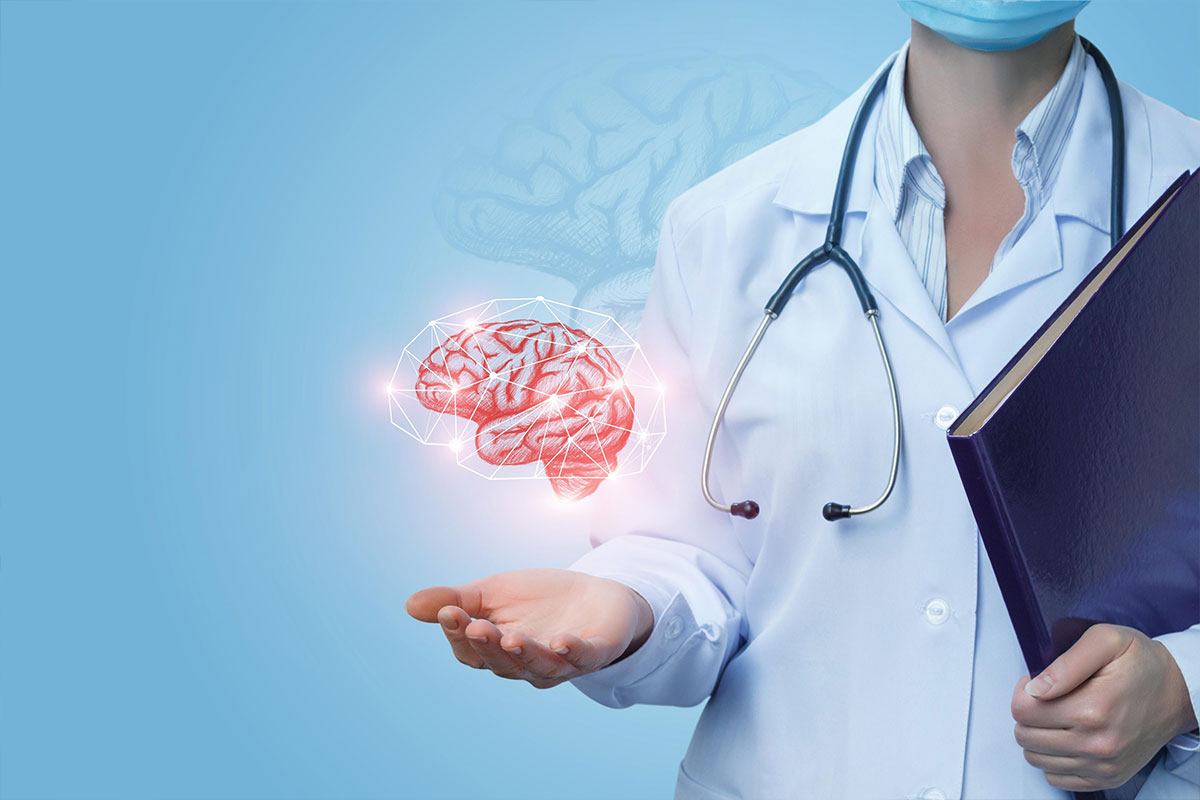
For decades, neurological diseases have posed some of medicine’s toughest challenges. The brain and nervous system are extraordinarily complex, and conditions like Alzheimer’s disease, Parkinson’s disease, epilepsy, stroke, and multiple sclerosis have historically been difficult to diagnose early and even harder to treat effectively. But a quiet revolution is underway. Advances in technology from artificial intelligence and wearable sensors to brain-computer interfaces and robotic rehabilitation are transforming how neurological diseases are detected, monitored, and treated.
This new era of “tech-powered healing” is giving patients and clinicians tools that were unimaginable a generation ago. Where once a neurological diagnosis meant waiting months for symptoms to become obvious, today’s technologies can catch subtle changes in movement, speech, or brain activity long before a patient or family notices anything wrong. Where once recovery from a stroke or spinal injury depended almost entirely on the body’s natural healing, patients now have access to robotic exoskeletons, neurostimulation devices, and virtual reality programs that actively rewire damaged neural pathways.
This article explores how technology is reshaping the landscape of neurological care examining innovations in diagnosis, treatment, rehabilitation, and long-term disease management, while also considering the challenges and limitations that come with this rapidly evolving field.
The Changing Face of Neurological Diagnosis
Artificial Intelligence and Machine Learning
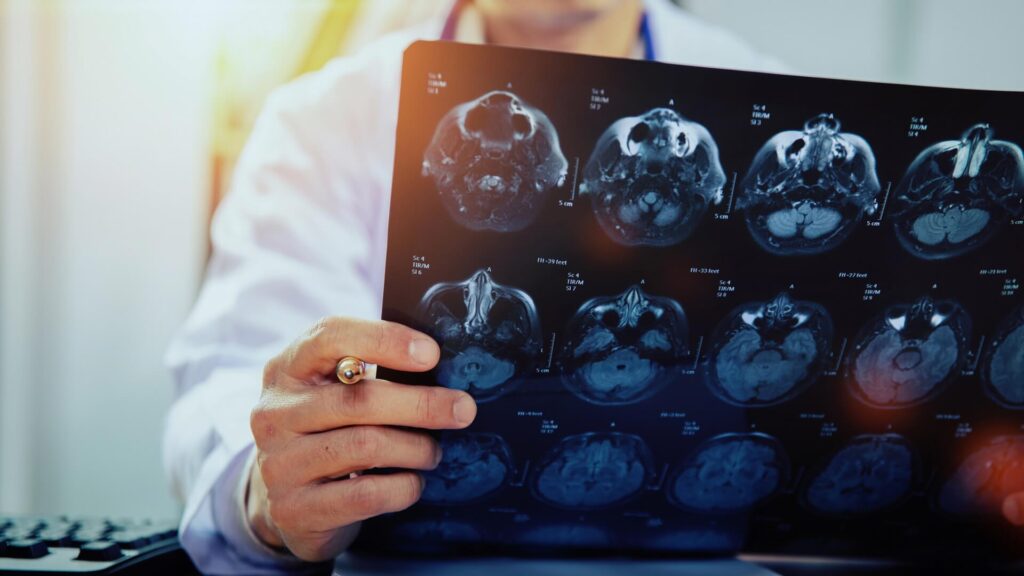
One of the most significant technological shifts in neurology has been the rise of artificial intelligence (AI) in diagnostic imaging and pattern recognition. Neurological conditions often produce subtle changes in brain structure, function, or behavior that can be difficult for even experienced clinicians to detect in early stages. AI algorithms, trained on vast datasets of MRI and CT scans, can now identify patterns associated with conditions like Alzheimer’s disease, multiple sclerosis, and brain tumors sometimes years before symptoms become clinically apparent.
Machine learning models are also being applied to analyze speech patterns, gait, and even eye movements, all of which can reveal early signs of neurodegenerative disease. For example, subtle changes in vocal tone, pause patterns, or word-finding difficulty can be picked up by voice-analysis software as an early indicator of cognitive decline, while gait-analysis technology can detect the shuffling walk characteristic of early Parkinson’s disease before it becomes visible to the naked eye.
Wearable Devices and Continuous Monitoring
Wearable technology has moved neurological monitoring out of the clinic and into everyday life. Smartwatches and specialized wearable sensors can now track tremors, movement fluctuations, sleep patterns, and even seizure activity around the clock, providing clinicians with a far richer picture of a patient’s condition than a single office visit ever could.
For people with epilepsy, wearable seizure-detection devices can alert caregivers in real time when a seizure occurs, improving safety and enabling faster response. For Parkinson’s disease patients, wearable sensors can track fluctuations in tremor and rigidity throughout the day, helping physicians fine-tune medication timing and dosage with much greater precision than relying on a patient’s memory of symptoms between appointments.
Advanced Neuroimaging
Neuroimaging technology itself continues to advance rapidly. Functional MRI (fMRI) can now map brain activity in real time, revealing how different regions of the brain communicate and offering insight into conditions ranging from epilepsy to traumatic brain injury. Diffusion tensor imaging (DTI) allows researchers to visualize the brain’s white matter tracts, helping to detect the microscopic nerve fiber damage seen in multiple sclerosis and traumatic brain injury long before it would show up on a standard scan.
Positron emission tomography (PET) scans, particularly those using specialized tracers, can now detect amyloid plaques and tau tangles associated with Alzheimer’s disease in living patients, a breakthrough that has transformed both research and, increasingly, clinical diagnosis.
Technology-Driven Treatment Innovations
Brain-Computer Interfaces
Perhaps no technology captures the imagination quite like the brain-computer interface (BCI). These systems create a direct communication pathway between the brain and an external device, bypassing damaged nerve pathways entirely. For patients with severe paralysis from conditions like ALS or spinal cord injury, BCIs offer the potential to control computer cursors, robotic arms, or communication devices using nothing but their thoughts.
While still largely in the research and early clinical trial phase, BCI technology has already enabled paralyzed patients to type messages, control wheelchairs, and manipulate robotic limbs. As the technology matures and becomes less invasive, it holds enormous promise for restoring independence to people living with severe neurological impairment.
Deep Brain Stimulation
Deep brain stimulation (DBS) has already become a well-established treatment for movement disorders like Parkinson’s disease and essential tremor, and its applications continue to expand. DBS involves surgically implanting electrodes into specific areas of the brain, which deliver carefully calibrated electrical pulses to regulate abnormal neural activity.
Newer generations of DBS devices are becoming “smarter,” using real-time feedback from brain activity to automatically adjust stimulation levels a concept known as adaptive or closed-loop DBS. This reduces side effects and improves symptom control compared to older, fixed-stimulation devices. Researchers are also exploring DBS for conditions beyond movement disorders, including treatment-resistant depression, obsessive-compulsive disorder, and epilepsy.
Robotic Rehabilitation
Recovery from stroke, spinal cord injury, and traumatic brain injury often depends heavily on intensive, repetitive physical therapy to help the brain rewire itself a process known as neuroplasticity. Robotic rehabilitation devices are making this process more effective and more accessible.
Robotic exoskeletons can support a patient’s body weight and guide limb movements, allowing people with significant weakness or paralysis to practice walking or reaching in a controlled, supported way. These devices can also provide precise data on a patient’s progress, allowing therapists to adjust treatment plans based on objective measurements rather than subjective observation alone. Some rehabilitation robots use haptic feedback and gamified exercises to keep patients engaged and motivated through what can otherwise be a long and difficult recovery process.
Virtual and Augmented Reality
Virtual reality (VR) and augmented reality (AR) are emerging as powerful tools in neurological rehabilitation. VR-based therapy programs can immerse patients in simulated environments where they practice everyday tasks such as crossing a street or reaching for objects in a safe, controlled setting. This approach has shown promise for stroke rehabilitation, helping patients regain motor function and confidence.
VR is also being explored as a tool for pain management in chronic neurological conditions, using immersive distraction techniques to reduce the perception of pain, and for cognitive rehabilitation, where interactive exercises can help patients recovering from brain injury rebuild memory, attention, and problem-solving skills in an engaging format.
Telemedicine and Remote Neurology
The growth of telemedicine has expanded access to specialized neurological care, particularly for patients in rural or underserved areas who may otherwise face long travel times to see a neurologist. Video consultations allow for many aspects of a neurological exam to be conducted remotely, while remote monitoring tools let physicians track disease progression between visits.
Telestroke programs, in particular, have proven valuable allowing stroke specialists to remotely evaluate patients at smaller hospitals and guide emergency treatment decisions in the critical minutes after a stroke, when rapid intervention can dramatically affect outcomes.
Technology in Disease-Specific Care
Alzheimer’s Disease and Dementia
Beyond diagnostic imaging, technology is helping families and caregivers manage the day-to-day challenges of dementia care. Smart home sensors can detect wandering or falls, medication reminder systems help ensure treatment adherence, and cognitive training apps offer structured mental exercises designed to support brain health. Digital biomarkers gathered from smartphone use patterns — such as typing speed or app navigation — are also being studied as potential early indicators of cognitive decline.
Parkinson’s Disease
In addition to wearable symptom trackers and adaptive DBS, researchers are exploring digital tools that use smartphone cameras and sensors to assess tremor, gait, and facial expression changes, creating objective, quantifiable measures of disease progression that can be tracked over time and shared directly with a patient’s care team.
Epilepsy
Beyond wearable seizure detectors, implantable devices that monitor brain electrical activity continuously are being developed to predict seizures before they occur, potentially allowing patients to take preventive action. Smartphone apps that log seizure activity, medication timing, and potential triggers are also helping patients and physicians identify patterns that can inform more personalized treatment plans.
Stroke Recovery
Technology is transforming stroke rehabilitation through robotic-assisted therapy, VR-based motor training, and AI-driven prediction models that help clinicians forecast recovery trajectories and tailor rehabilitation intensity accordingly. Mobile apps also support speech therapy exercises for patients recovering from stroke-related language impairment, allowing practice to continue outside of formal therapy sessions.
Benefits and Opportunities
The integration of technology into neurological care offers several important advantages:
- Earlier detection — AI and advanced imaging can identify disease markers before symptoms become clinically obvious, opening the door to earlier intervention.
- Objective, continuous data — Wearables and remote monitoring provide a fuller picture of disease progression than periodic clinic visits alone.
- Personalized treatment — Data-driven insights allow clinicians to tailor medication timing, stimulation parameters, and rehabilitation intensity to each patient’s unique needs.
- Greater independence — Technologies like BCIs and robotic assistive devices can restore functional abilities lost to disease or injury.
- Expanded access — Telemedicine brings specialized neurological expertise to patients who might otherwise struggle to access it.
- Increased patient engagement — Gamified rehabilitation tools and VR-based therapy can make recovery more motivating and enjoyable.
Challenges and Considerations
Despite this promise, the integration of technology into neurological care is not without challenges. Many advanced tools, such as BCIs and robotic rehabilitation systems, remain expensive and are not yet widely accessible, raising concerns about equity in who benefits from these innovations. Data privacy is another significant consideration, as wearable devices and remote monitoring tools collect highly sensitive health information that must be carefully protected.
There are also questions about the reliability and generalizability of AI diagnostic tools, which depend heavily on the quality and diversity of the data used to train them. A model trained primarily on one population may not perform as accurately across different demographic groups, underscoring the need for rigorous validation before widespread clinical adoption.
Finally, it’s important to recognize that technology is a tool to support, not replace, the clinical judgment and human connection that remain central to good neurological care. The most effective approach combines technological innovation with the expertise of skilled clinicians and the individualized attention that patients with complex neurological conditions need.
Looking Ahead
The pace of innovation in neurological technology shows no signs of slowing. Researchers continue to refine brain-computer interfaces to make them less invasive and more widely available. AI diagnostic tools are becoming more sophisticated and are increasingly being validated across diverse patient populations. Wearable sensors are growing smaller, more accurate, and better integrated into daily life. And rehabilitation robotics are becoming more affordable and accessible outside of specialized research hospitals.
As these technologies mature, the hope is that they will not only improve clinical outcomes but also improve quality of life helping patients maintain independence, dignity, and connection to the people and activities that matter most to them.
Conclusion
Technology is fundamentally reshaping the landscape of neurological disease care, offering new possibilities for earlier diagnosis, more precise treatment, and more effective rehabilitation. From AI-powered imaging analysis and wearable symptom trackers to brain-computer interfaces and robotic rehabilitation devices, these innovations are helping patients with conditions like Alzheimer’s, Parkinson’s, epilepsy, and stroke access care that is more personalized, more proactive, and more empowering than ever before.
While challenges around cost, accessibility, and data privacy remain, the trajectory is clear: technology and neurology are becoming ever more deeply intertwined, opening new frontiers in how we understand, treat, and ultimately heal the human nervous system. For patients and families navigating a neurological diagnosis, staying informed about these emerging tools and discussing them with a qualified neurologist can be a valuable part of building an effective, forward-looking care plan.
FAQ:
1. What does “tech-powered healing” mean in the context of neurological diseases? It refers to the use of modern technologies — such as artificial intelligence, wearable sensors, brain-computer interfaces, robotics, and virtual reality — to improve how neurological conditions are diagnosed, treated, and managed. These tools work alongside traditional medical care rather than replacing it.
2. Can AI actually diagnose neurological diseases? AI doesn’t replace a doctor’s diagnosis, but it can analyze brain scans, speech patterns, and movement data to flag early warning signs that might be missed in a routine exam. A neurologist still confirms the diagnosis and decides on treatment.
3. What is a brain-computer interface (BCI), and is it available to patients now? A BCI is a device that reads brain signals and translates them into commands for a computer, robotic limb, or communication device. It’s mainly used in research and clinical trials today, particularly for patients with severe paralysis, and is not yet a mainstream treatment option.
4. How do wearable devices help with conditions like Parkinson’s or epilepsy? Wearables can continuously track tremors, movement, and even seizure activity throughout the day. This gives doctors much more detailed information than a single office visit, helping them fine-tune medications and catch problems earlier.
5. Is deep brain stimulation (DBS) safe? DBS is a well-established, FDA-approved treatment for conditions like Parkinson’s disease and essential tremor, with decades of clinical use. As with any surgery, it carries risks, so it’s typically reserved for patients who haven’t responded well enough to medication alone. A neurologist and neurosurgeon can assess whether it’s appropriate for a specific case.
6. Can virtual reality (VR) really help with stroke recovery? Yes — VR-based therapy lets patients practice everyday movements in a safe, engaging, simulated environment. Studies have shown it can support motor recovery and keep patients more motivated during rehabilitation, though it’s typically used alongside standard physical therapy, not instead of it.
7. Are these technologies covered by insurance? Coverage varies widely depending on the technology, the specific condition, and the insurance provider. Established treatments like DBS are often covered when medically necessary, while newer tools like BCIs or certain wearable systems may not yet be widely covered. Checking directly with your insurer and care team is the best way to find out.
8. Is my health data safe when using wearables or remote monitoring tools? Reputable medical-grade devices follow data privacy regulations, but it’s still important to review the privacy policies of any app or device you use, understand who has access to your data, and choose products from established, trustworthy manufacturers.
9. Do these technologies replace the need to see a neurologist? No. These tools are designed to support clinical care, not replace it. A neurologist interprets the data these technologies provide, factors in the full clinical picture, and makes treatment decisions based on their medical expertise.
10. Who can benefit most from these technologies right now? Patients with movement disorders (like Parkinson’s), epilepsy, stroke, and those in rehabilitation for brain or spinal cord injury tend to have the most established, accessible tech-based tools available today. Access continues to expand as research progresses and costs come down.
