
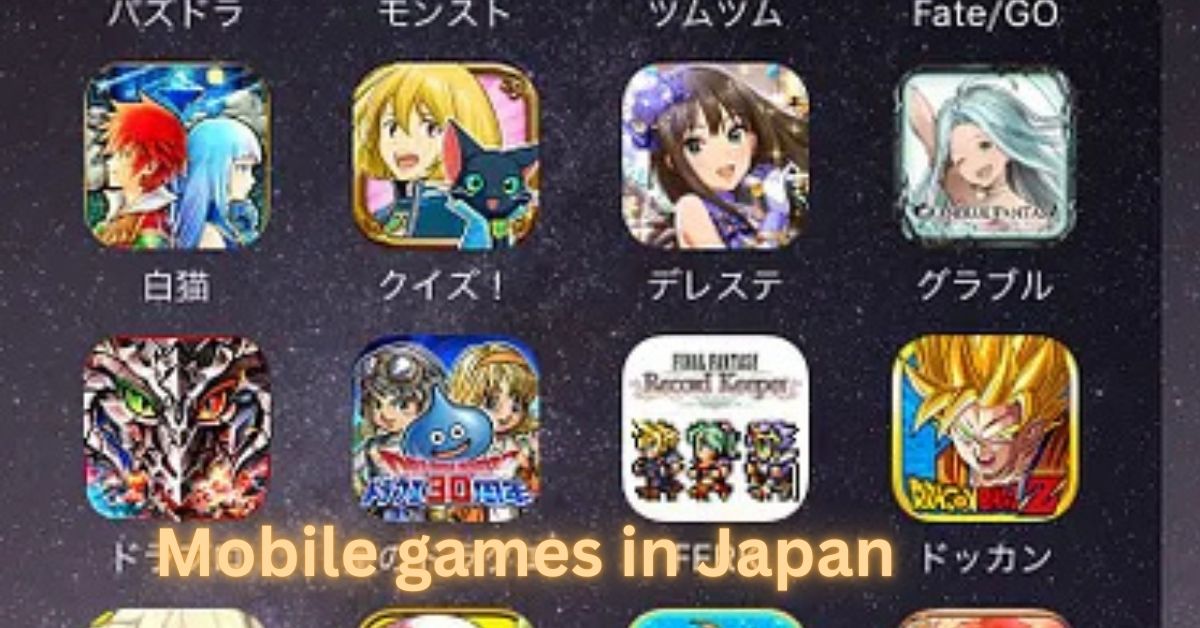
Japan plays a major role in the global gaming industry. Although it accounts for only 2.2% of the world’s gaming audience, it generates 9.1% of global gaming revenue proving how valuable its players are.
Market Value and Growth
According to Newzoo, Japan’s gaming market reached $16.6 billion in 2024, a slight -3.3% decline year-on-year. But here’s the twist when measured in Japanese yen, the market actually grew by 4.3% to ¥2.483 trillion.
The difference comes from currency changes. Because of a weaker yen, revenue appears lower in dollars even though local spending increased. This shows how exchange rates can change the story.
Here’s how revenue looked by device:
-
Mobile games: ¥1.742 trillion (+16.2% YoY), $11.5 billion (-2.4% YoY)
-
Consoles: ¥525 billion (-3.1% YoY), $3.5 billion (-10.1% YoY)
-
PC games: ¥240 billion (+16.6% YoY), $1.6 billion (+7.8% YoY)
It’s clear that mobile remains the biggest segment, while PC gaming is growing the fastest.
Who Are Japan’s Mobile Gamers?
Japanese gamers are slightly different from those in other countries. Most players are male (66.4%), and the average age is 34.7, which is older than the global average.
They also love games with strong storytelling and prefer solo adventures rather than multiplayer battles.
Spending habits are impressive too. On average, Japanese gamers spend three times more per person than gamers in the UK. This makes Japan a high-value market for game developers.
Mobile Gaming Trends in 2025
Recent data from Adjust shows that Japan remains a mobile-first gaming market:
-
Installs: +3% YoY
-
Sessions: +0.3% YoY
-
Average session length: 26.97 minutes
-
RPG sessions: ~40 minutes
-
Day 1 retention: 23%
-
Day 7 retention: 9%
-
Day 30 retention: 3%
These numbers show strong engagement and steady retention compared to many Western markets.
Why Mobile Games Are So Popular in Japan
Several cultural and social factors explain why Japan is so focused on mobile gaming:
1. Long Commutes
Many people in Japan spend hours commuting every day. Mobile games are a perfect way to pass the time. That’s why many Japanese games are designed for one-handed play.
2. Preference for Portability
Even console gamers prefer portable devices. About 70% of consoles sold in 2024 were Nintendo Switch, a hybrid handheld console.
3. Low PC Usage
PCs are often seen as work tools in Japan, not entertainment devices. Many homes don’t have gaming PCs, and small living spaces also make large setups less practical. Still, PC gaming is slowly growing among younger players.
Top Mobile Game Genres in Japan
Japanese gamers have distinct tastes compared to players in other countries.
Here are the top mobile genres in Japan:
-
Simulation – 47%
-
Role-Playing – 46%
-
Adventure – 45%
-
Shooter – 40%
-
Puzzle – 26%
Simulation and RPG games dominate because players love collecting characters, building stories, and exploring fantasy worlds all heavily influenced by anime and manga culture.
Most Popular Mobile Games 2025
Top Games by Downloads
-
Pokémon TCG Pocket
-
Chiikawa Pocket
-
Color Block Jam
-
Car Jam
-
Archero 2
-
Madoka Magica Magia Exedra
-
Screw Sort 3D – Pin Puzzle
-
Whiteout Survival
-
Another World
-
Block Blast!
Top Games by Consumer Spending
-
Pokémon TCG Pocket
-
Monster Strike
-
Last War: Survival Game
-
Umamusume: Pretty Derby
-
Fate/Grand Order
-
Dragon Quest Walk
-
Whiteout Survival
-
Dragon Ball Z Dokkan Battle
-
Professional Baseball Spirits A
-
Honkai: Star Rail
Most top-performing games are Japanese-made, and many are tied to well-known local franchises. Japanese players tend to support domestic titles more strongly, and foreign games succeed only if they are deeply localized.
Mastering Japan’s Mobile Game Scene
Entering Japan’s gaming market can be challenging, but here’s how you can boost your chances of success:
1. Prioritize Localization
Only 20–30% of Japanese people speak fluent English. If you want your game to succeed, it must be fully translated and culturally adapted.
This includes:
-
Translating in-game text, app store descriptions, and ad creatives
-
Adjusting design and visuals to match local preferences (bright colors, detailed information)
A great example is Clash Royale, which collaborated with a Japanese animator to create anime-style promotional art a move that helped the game connect with local players.

2. Use Local Advertising Platforms
The most popular social media platforms in Japan are different from the West:
-
YouTube – 67%
-
LINE – 62%
-
X (Twitter) – 59%
LINE is especially important. With over 97 million users, it’s more than a messaging app — it’s a super app used for social media, news, videos, manga, and more. Advertising on LINE and X, along with app store optimization, can significantly improve visibility.
3. Follow Monetization Rules
Japan has strict rules around monetization. For example, the “kompu gacha” system was banned in 2012.
Today, successful monetization strategies include:
-
Gacha systems with “pity” mechanics
-
Limited-time collaborations
-
Battle passes
-
Step-up bundles
The key is transparency and value players are more likely to spend when they trust the system.
Final Thoughts
Japan’s mobile gaming market is rich, mature, and deeply unique. It blends cultural traditions with cutting-edge innovation, and it offers massive potential for developers who take the time to understand it.
To succeed here, remember these three golden rules:
-
Localize deeply: language, design, and storytelling all matter.
-
Advertise smartly: use platforms like LINE and X to reach your audience.
-
Monetize wisely: transparency builds long-term trust.
With the right approach, your mobile game can thrive in Japan and the Tokyo Game Show is the perfect place to start.
Frequently Asked Questions
How big is the mobile gaming market in Japan?
Japan’s gaming market was valued at $16.6 billion in 2024, making it the third-largest gaming market in the world. Mobile games account for the largest share, generating around $11.5 billion in revenue.
Why are mobile games so popular in Japan?
Mobile games are popular in Japan due to cultural and lifestyle factors. People often have long commutes, making mobile gaming a convenient entertainment option. Portable devices like smartphones and the Nintendo Switch also fit well with Japan’s fast-paced lifestyle and smaller living spaces.
What types of mobile games do Japanese players enjoy most?
The most popular genres in Japan include simulation, role-playing (RPGs), adventure, shooter, and puzzle games. Players love games with strong storytelling, character development, and fantasy worlds.
Do Japanese gamers prefer local games over foreign ones?
Yes, many top-performing games in Japan are domestic titles. Japanese players often support homegrown games, especially those tied to local franchises or anime. Foreign games succeed when they are carefully localized to match Japanese culture and preferences.
What are the most popular mobile games in Japan right now?
Some of the top mobile games in Japan include Pokémon TCG Pocket, Monster Strike, Fate/Grand Order, Dragon Quest Walk, and Umamusume: Pretty Derby. Many of these are developed in Japan and feature anime-inspired styles and storytelling.
How can foreign game developers succeed in Japan?
To succeed in Japan, developers should:
-
Fully localize their games, including translation and visual adaptation.
-
Use local platforms like LINE and X (Twitter) for advertising.
-
Design transparent monetization systems that follow local regulations.
Is PC gaming popular in Japan?
PC gaming is growing but remains less popular compared to mobile and console gaming. Many households view PCs as work tools, and limited space in urban homes makes gaming setups less common. However, younger generations are showing more interest in PC games.
What social media platforms are best for mobile game marketing in Japan?
The most effective platforms for game marketing in Japan are YouTube, LINE, and X (Twitter). LINE, in particular, is a powerful platform because it has over 97 million active users and functions as a super app.
