
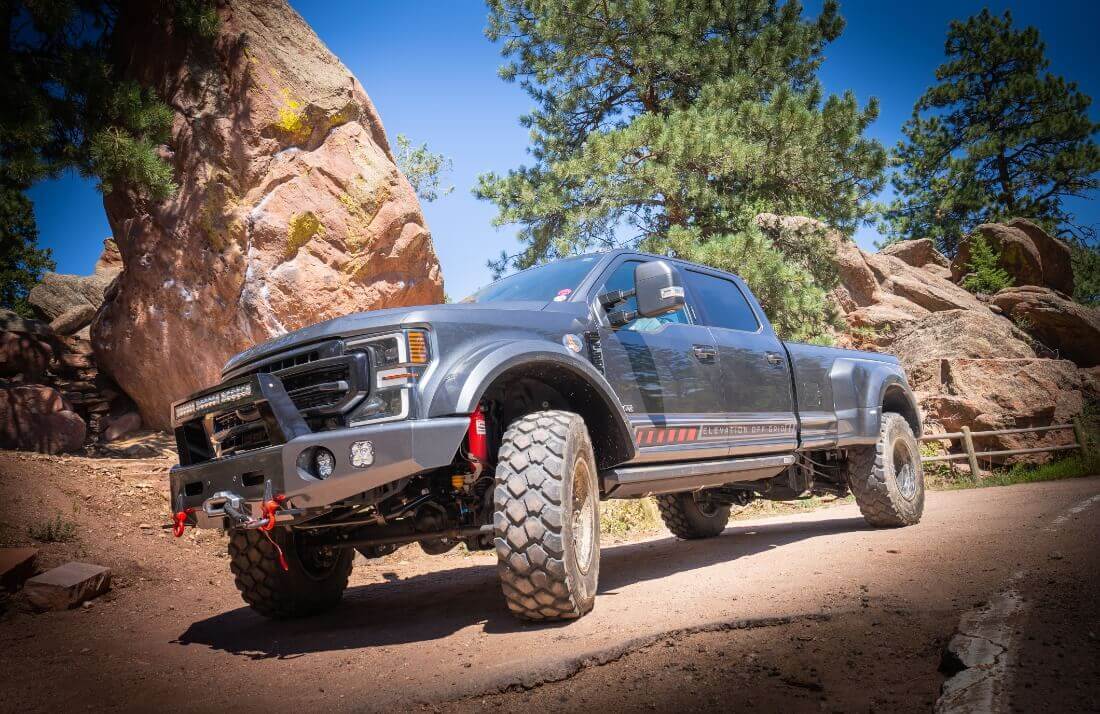
Modern suspension technology has evolved to become highly adaptable: air suspensions enable drivers to adapt ride height and stiffness based on load or terrain; independent suspension systems offer increased articulation and ride quality–knowing which type your truck possesses is crucial in order to assess its suitability for Overlanding demands. Navigating rugged trails, sandy dunes or muddy paths requires robust truck suspension – this forms the basis of any successful expedition.
But when is the time to change the whole system?
Key Components to Upgrade
When considering a suspension upgrade, it’s essential to focus on a few core components:
1. Shock Absorbers and Struts
Quality shock absorbers and struts are crucial in providing a comfortable ride over rough terrain. Upgraded units boast superior damping performance that can significantly decrease body roll during cornering while mitigating bump impacts. Modern performance shocks also offer adjustable options so that your ride quality can adapt according to what terrain is encountered.
2. Springs
Springs are at the core of any suspension upgrade. Options may include coil or leaf springs, as well as combinations thereof depending on your truck and intended use. Many truck owners opt for heavy-duty leaf springs for improved load-carrying capacities while upgrading kits like the rear left spring 2014 Silverado offer increased load-carrying capacities while providing more comfortable rides over rugged trails.
3. Control Arms and Bushings
Control arms and bushings play an essential role in maintaining the geometry of your suspension system, helping prevent unwanted flex and movement to ensure optimal contact between wheels and ground surfaces for improved traction and handling during high-speed off-road maneuvers. With upgraded components available today, control arms and bushings upgrade can reduce unwanted movement to provide improved traction and overall handling during off-road excursions.
4. Additional Reinforcements
To safely overland, additional reinforcement of chassis and subframe mounts is often necessary. Skid plates provide protection for fragile undercarriage components from rocks or debris damage; such supplementary measures help ensure your suspension upgrade doesn’t become compromised due to external hazards.
Signs Your Suspension Needs an Upgrade
To maintain performance and safety during overlanding trips, it is crucial that you recognize when your truck’s suspension needs upgrading; this requires being aware of telltale signs of wear such as diminished ride quality. One clear sign is when your vehicle becomes unusually bouncy or bottoms out under heavy loads–these signals indicate an overtaxed suspension system that compromises both comfort and its ability to provide effective off-road handling capabilities.
Uneven tire wear indicates a serious issue: when your suspension system becomes compromised, misaligning tires or applying uneven pressure could misalign them in patterns that reduce tire lifespan while also decreasing traction and stability; essential elements for overlanding. Furthermore, any unusual noises such as clunking or squeaking sounds during navigation over rough terrain could indicate worn-out bushings, shocks or springs need maintenance services immediately.
Campers must carry heavy loads-camping gear, water supplies, and recovery equipment-and when their trucks start drooping under this weight or their vehicle fails to stay stable it indicates an ineffective suspension system. A reinforced setup tailored for strenuous use could vastly improve performance; promptly responding to these signs not only enhances your truck’s performance but also guarantees a safer and more enjoyable overlanding experience.
DIY Installation vs. Professional Servicing
Upgrading your truck suspension for overlanding requires making a decisive choice: DIY with mechanical skills and tools in order to cut costs while increasing knowledge of its workings or opt for professional services. Experienced enthusiasts have noted that many aftermarket suspension kits include detailed instructions, making DIY installation accessible; this reduces time investments while potentially risking improper assembly that compromises both safety and performance.
Professional servicing ensures a flawless suspension upgrade: mechanics experienced in off-road vehicles will tailor your system specifically to Overlanding demands, such as additional load adjustments or terrain-specific optimizations. Though more costly upfront, professional servicing provides valuable peace of mind when venturing deep into remote regions for long-distance journeys. Furthermore, choosing a professional ensures access to warranty support should any complications arise during your expeditions.
Your skill level, budget, and upgrade complexity ultimately decide between DIY or professional suspension upgrade installation. For experienced individuals with all necessary tools available at their disposal, DIY installation may offer rewarding experiences; otherwise, complex systems or novice individuals should consult professional services for increased safety and reliability.

Wrap Up
Upgrading your truck suspension should be your top priority if you notice any uneven tire wear or unusual bouncy feel while driving. That being said, don’t wait to make the changes as after all, your safety and the safety of others on the road is paramount.
