
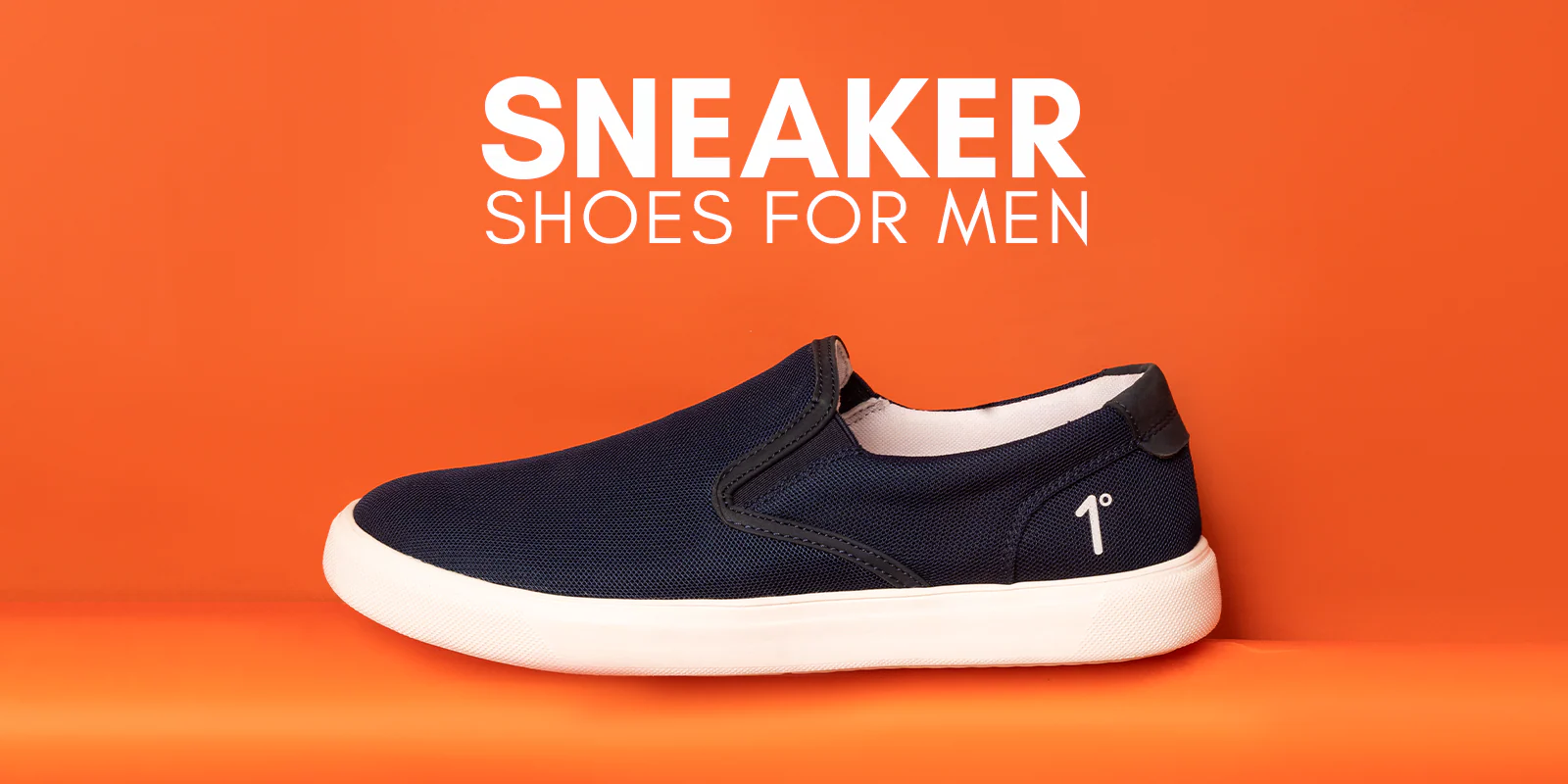
Sports shoes for men are no longer limited to athletes or gym enthusiasts. Today, they have become an essential part of everyday life blending performance, comfort, durability, and style. Whether you are a professional athlete, a casual runner, a gym regular, or someone who values comfort for daily wear, choosing the right sports shoes can significantly impact your performance and foot health.
This comprehensive guide covers everything you need to know about men’s sports shoes: types, features, materials, benefits, how to choose the right pair, top brands, maintenance tips, and frequently asked questions.
What Are Sports Shoes?
Sports shoes are specially designed footwear made to support physical activities such as running, training, walking, gym workouts, and various sports. Unlike casual shoes, sports shoes focus on:
-
Shock absorption
-
Foot stability
-
Breathability
-
Grip and traction
-
Injury prevention
They are engineered to match the biomechanics of different movements, making them safer and more effective for physical activity.
Why Choosing the Right Sports Shoes Matters
Wearing the wrong type of shoes during physical activity can lead to discomfort, fatigue, and even serious injuries. The right sports shoes help:
-
Reduce stress on joints
-
Improve posture and balance
-
Enhance athletic performance
-
Prevent foot problems like plantar fasciitis and shin splints
-
Provide long-lasting comfort
For men who stay active or walk long hours, sports shoes are not a luxury—it’s a necessity.
Types of Sports Shoes for Men
Different activities require different shoe designs. Below are the main types of sports shoes for men:
1. Running Shoes
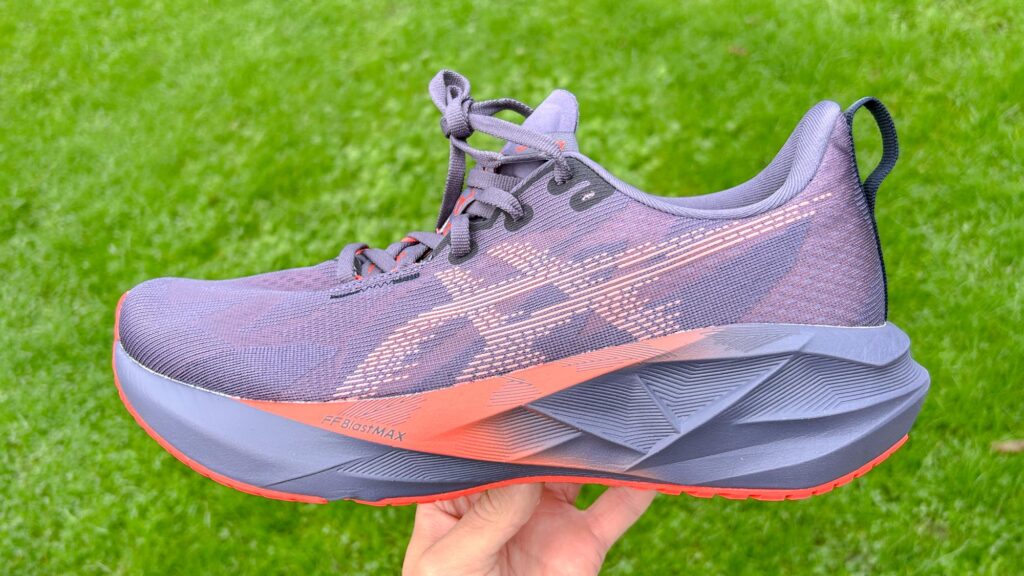
Running shoes are designed for forward motion and repetitive impact.
Best for: Road running, treadmill running, jogging
Key features:
-
Lightweight construction
-
High cushioning
-
Flexible soles
-
Shock absorption
There are three main sub-types:
-
Neutral running shoes
-
Stability running shoes
-
Motion control shoes
2. Training Shoes
Training shoes are versatile and suitable for multiple movements.
Best for: Gym workouts, HIIT, cross-training
Key features:
-
Flat yet cushioned sole
-
Side-to-side stability
-
Durable outsole
-
Firm heel support
3. Walking Shoes
Walking shoes are built for comfort over long periods.
Best for: Daily walks, travel, casual use
Key features:
-
Soft cushioning
-
Lightweight design
-
Flexible sole
-
Breathable upper
4. Gym Shoes
Gym shoes focus on stability and grip.
Best for: Weightlifting, cardio machines
Key features:
-
Firm sole for balance
-
Strong grip
-
Minimal heel elevation
5. Sports-Specific Shoes
These are designed for particular sports.
-
Football shoes – Studs for traction
-
Basketball shoes – Ankle support
-
Tennis shoes – Lateral stability
-
Cricket shoes – Spikes and grip
Key Features to Look for in Men’s Sports Shoes
1. Cushioning
Cushioning absorbs impact and reduces stress on joints. EVA foam, memory foam, and air cushioning are commonly used.
2. Arch Support
Proper arch support maintains foot alignment and prevents pain. Choose shoes based on your foot type:
-
Flat feet
-
Neutral arches
-
High arches
3. Breathability
Mesh uppers allow airflow, keeping feet cool and dry during workouts.
4. Grip and Traction
Rubber outsoles with patterned treads provide grip on different surfaces.
5. Fit and Comfort
A good sports shoe should:
-
Have enough toe room
-
Fit snugly around the heel
-
Not cause pressure points
6. Durability
High-quality stitching, strong outsole, and resilient materials ensure long-lasting performance.
Materials Used in Sports Shoes
Upper Materials
-
Mesh: Lightweight and breathable
-
Synthetic leather: Durable and supportive
-
Knit fabric: Flexible and stylish
Midsole Materials
-
EVA foam: Lightweight cushioning
-
PU foam: Durable and supportive
-
Gel/Air units: Shock absorption
Outsole Materials
-
Rubber: Excellent grip
-
Carbon rubber: High durability
-
Blown rubber: Lightweight and flexible
Benefits of Wearing Sports Shoes for Men
-
Enhanced performance
-
Reduced injury risk
-
Better posture
-
Improved comfort
-
Versatility for sports and casual wear
-
Stylish designs for everyday use

How to Choose the Right Sports Shoes for Men
Step 1: Identify Your Purpose
Ask yourself:
-
Running or walking?
-
Casual daily wear?
Step 2: Know Your Foot Type
Understanding whether you have flat, neutral, or high arches helps in selecting the right shoe.
Step 3: Choose the Right Size
Always:
-
Measure both feet
-
Try shoes in the evening
-
Leave a thumb’s width at the toe
Step 4: Check Flexibility and Support
Bend the shoe slightly it should flex at the forefoot, not the middle.
Step 5: Consider Style and Color
Modern sports shoes combine function with fashion, making them suitable for casual outfits as well.
Top Sports Shoe Brands for Men
1. Nike
Known for innovation, comfort, and stylish designs.
2. Adidas
Famous for Boost cushioning and performance shoes.
3. Puma
Lightweight and trendy sports footwear.
4. New Balance
Excellent comfort and arch support.
5. ASICS
Popular for running shoes and stability.
6. Reebok
Ideal for gym and training shoes.
Sports Shoes vs Casual Shoes
Feature |
Sports Shoes |
Casual Shoes |
|---|---|---|
Cushioning |
High |
Low |
Breathability |
Excellent |
Limited |
Support |
Strong |
Minimal |
Activity Use |
Sports & fitness |
Everyday wear |
Sports shoes outperform casual shoes in comfort and safety during physical activity.
How to Maintain and Care for Sports Shoes
-
Clean regularly with a soft brush
-
Avoid machine washing unless specified
-
Air-dry naturally
-
Rotate between pairs
-
Store in a cool, dry place
Proper care extends the life of your sports shoes.
Common Mistakes to Avoid
-
Buying shoes only for looks
-
Choosing the wrong size
-
Ignoring foot type
-
Using worn-out shoes
-
Wearing running shoes for weightlifting
Are Expensive Sports Shoes Worth It?
Higher-priced sports shoes often offer:
-
Better materials
-
Advanced cushioning
-
Longer durability
However, the best shoe is the one that fits your needs—not necessarily the most expensive.
Sports Shoes for Men: Fashion Meets Function
Today’s sports shoes are designed to look good with:
-
Jeans
-
Joggers
-
Shorts
-
Casual outfits
This versatility makes them a popular everyday footwear choice.
Frequently Asked Questions (FAQs)
Q1: How long do sports shoes last?
On average, 500–700 kilometers of use or about 8–12 months, depending on activity.
Q2: Can sports shoes be worn daily?
Yes, especially walking or training shoes designed for comfort.
Q3: Are running shoes good for the gym?
Not ideal for weightlifting due to soft soles. Training shoes are better.
Q4: How do I know if my sports shoes are worn out?
Signs include:
-
Reduced cushioning
-
Uneven sole wear
-
Foot pain after use
Q5: Which sports shoes are best for beginners?
Neutral running or basic training shoes with good cushioning and support.
Conclusion
Sports shoes for men are an essential investment for health, comfort, and performance. Whether you are running, training, walking, or simply looking for everyday comfort, choosing the right pair makes a noticeable difference.
By understanding the types, features, materials, and your own needs, you can confidently select sports shoes that enhance your lifestyle and protect your feet. Remember—good shoes don’t just support your feet, they support your entire body.
